Last updated November 21, 2026
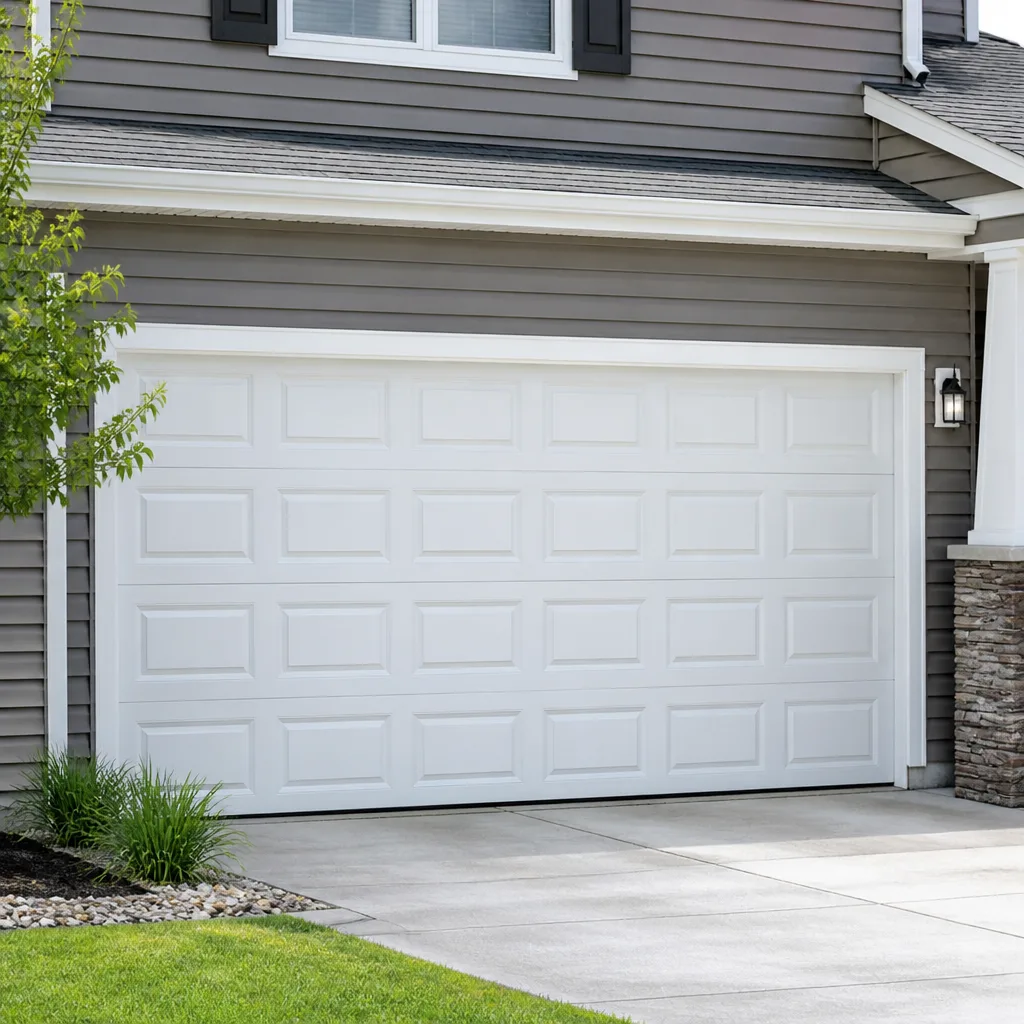 Raised-panel steel
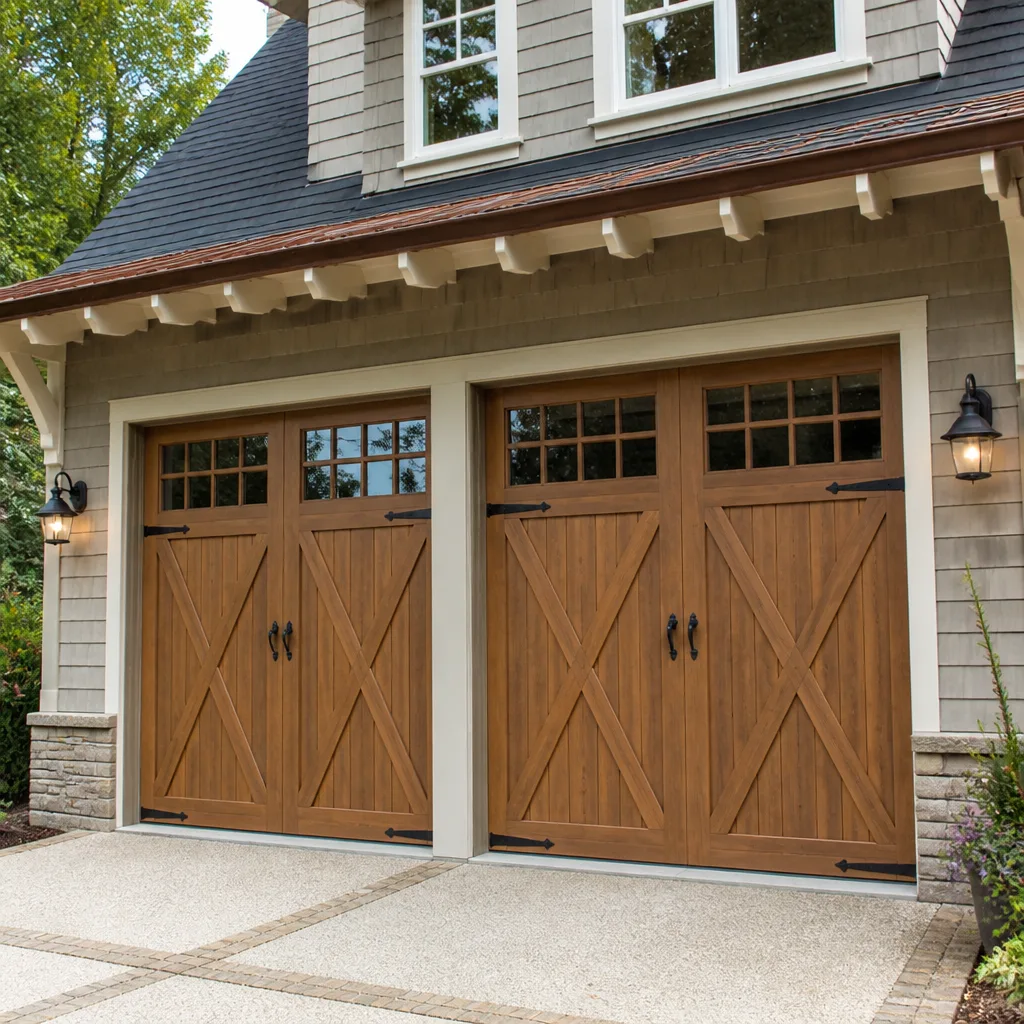 Carriage house
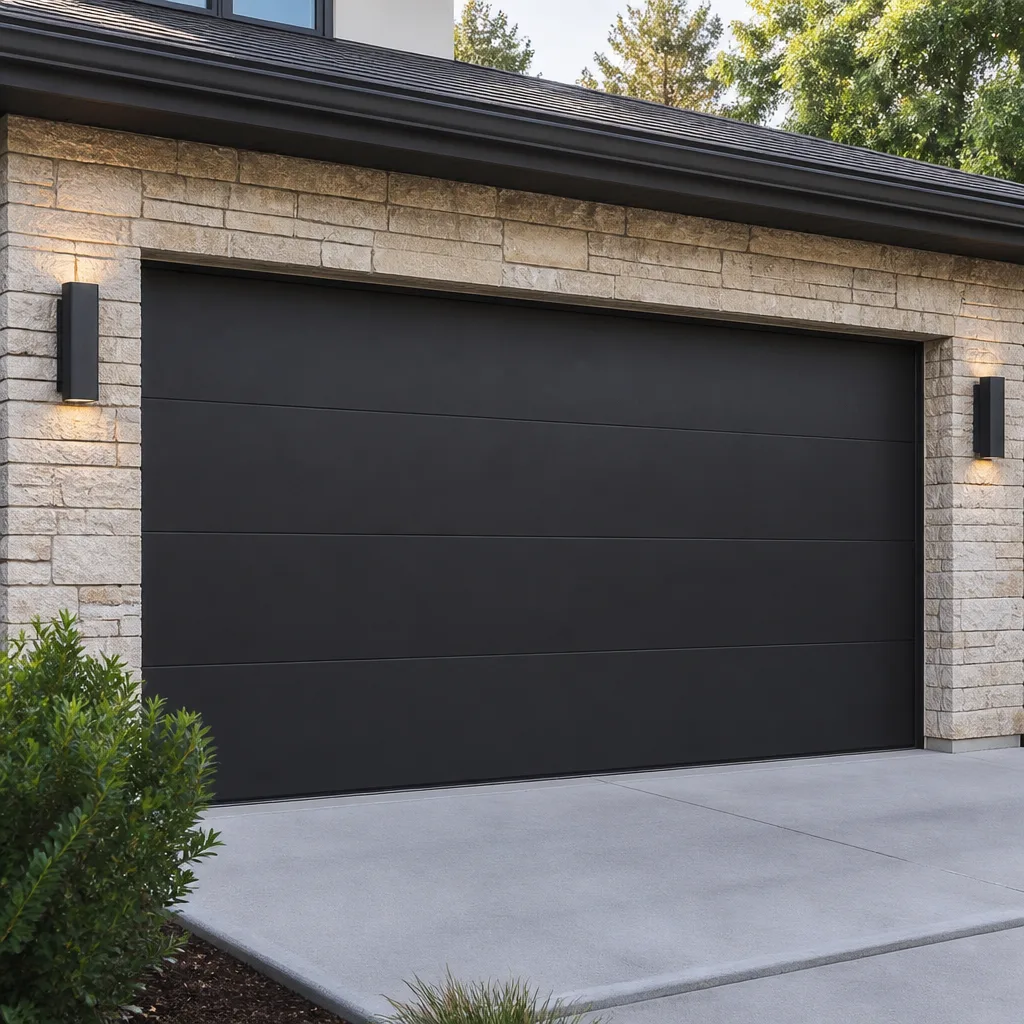 Modern flush
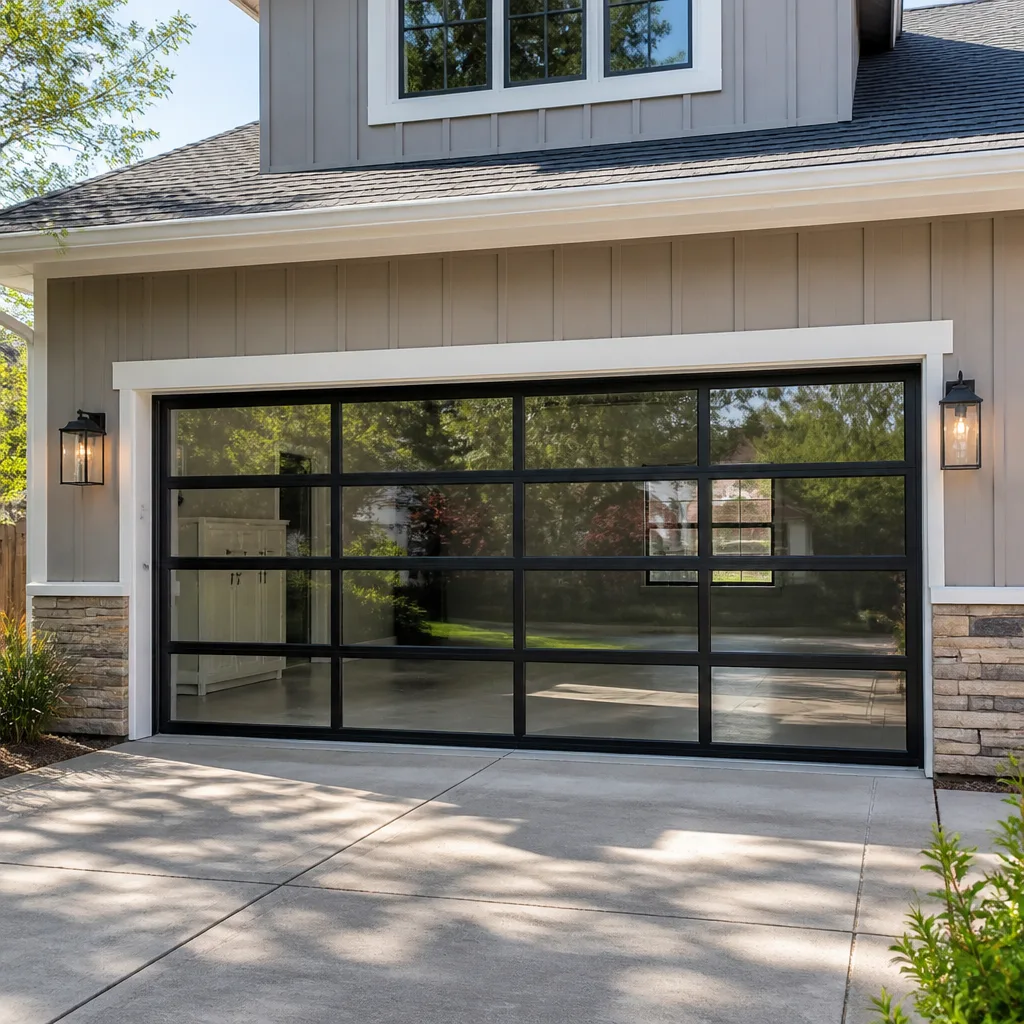 Full-view glass
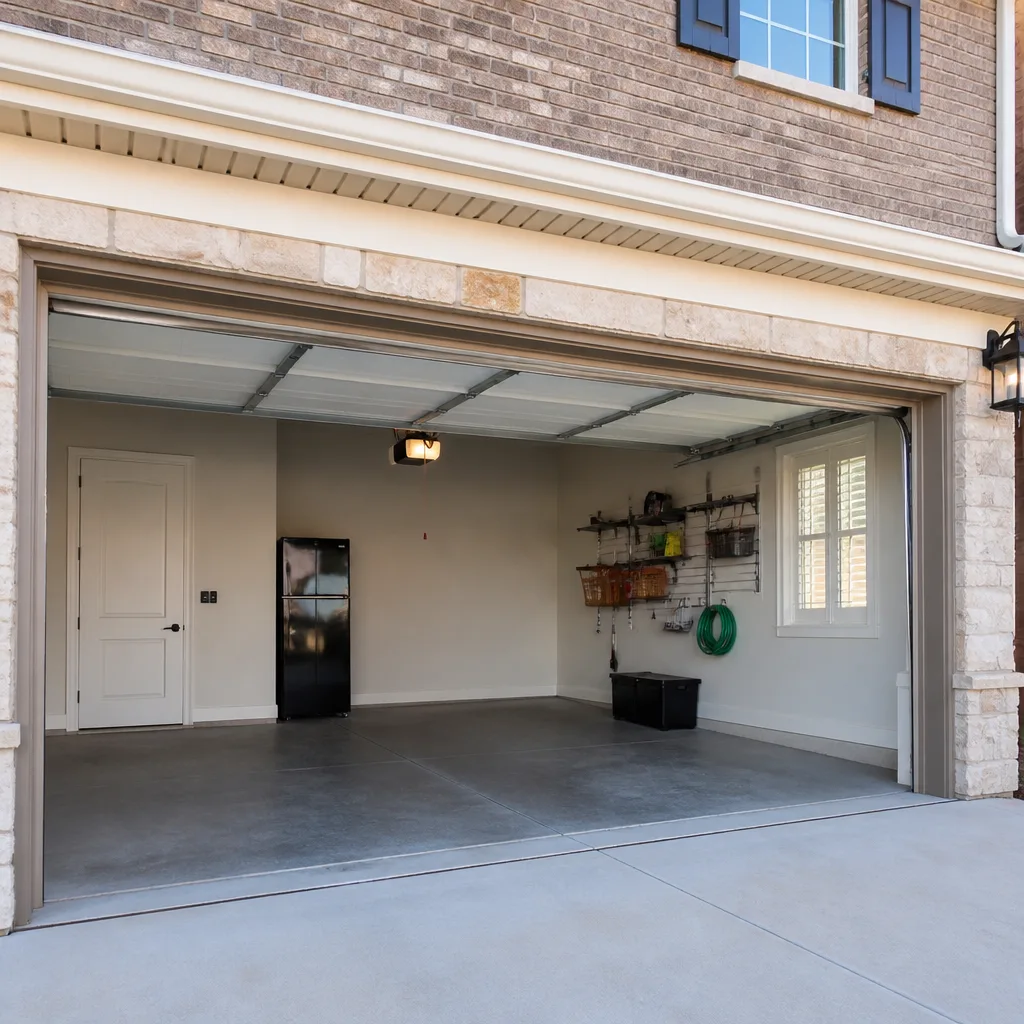 LiftMaster openers
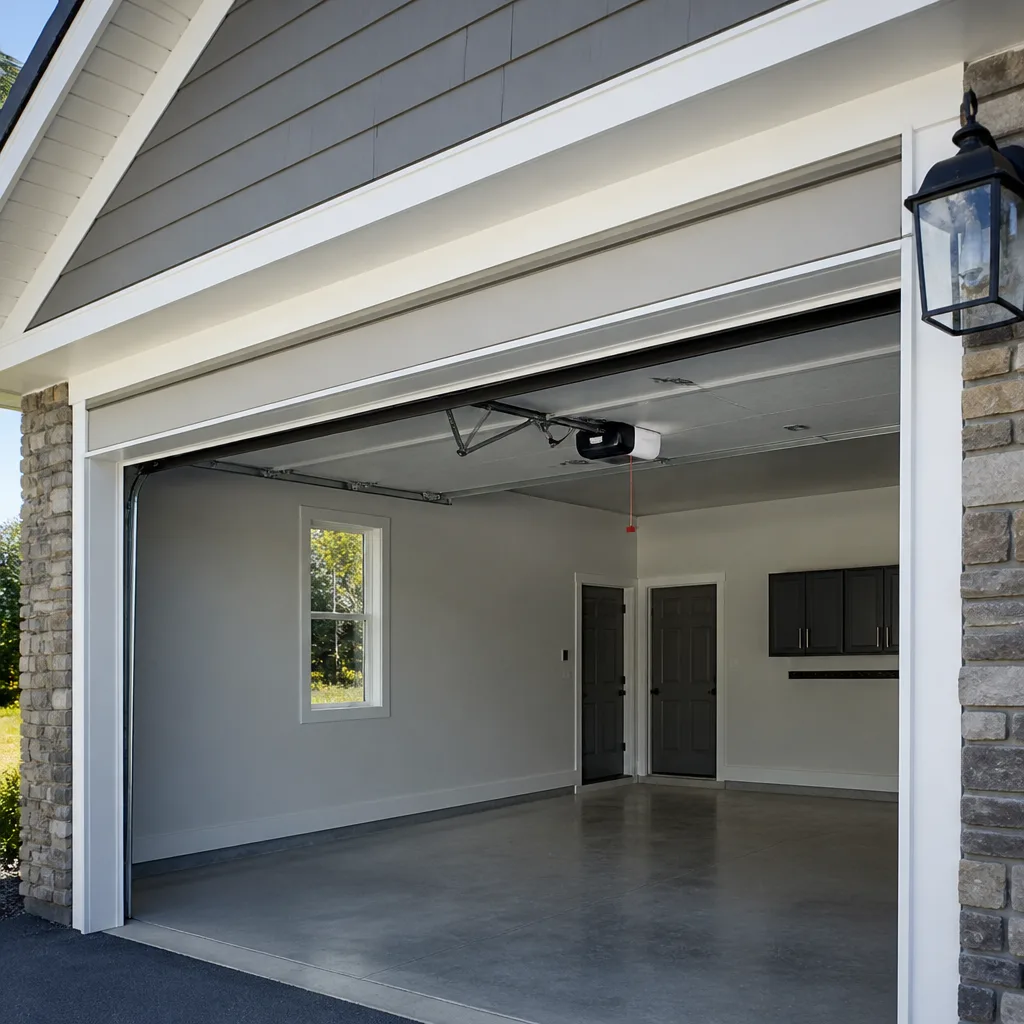 Chamberlain openers
Full 25-point door and opener safety check with every visit - springs, cables, rollers, tracks, and your LiftMaster or Chamberlain opener included
You get a price before we start. It does not change when the pro arrives.
Get your free estimateDIY vs Professional Garage Door: The Chesapeake Homeowner’s Decision Guide
A wound torsion spring on a standard residential door stores roughly 100 foot-pounds of torque. That is a lot of stored energy sitting a few feet above your car, and when it releases uncontrolled, through the wrong tool or an incorrect winding technique, it can break a wrist or worse. That single fact explains why this guide draws a hard line at exactly one task and stays relaxed about nearly every other one. Most garage door jobs are genuinely within reach of a careful homeowner. Spring work is not. Below, we separate the safe tasks from the dangerous ones, run the real numbers on a DIY opener install in Chesapeake, and explain how this city’s humidity punishes a repair that’s almost right.
Styles & brands we work with
- Raised-panel steel
- Carriage house
- Modern flush
- Full-view glass
- LiftMaster openers
- Chamberlain openers
Quick Answer
For a Chesapeake homeowner, the split is simple: lubrication, photo-eye alignment, remote programming, and weatherstripping are safe DIY tasks, while torsion or extension springs, cables, and bent structural panels need a trained technician. DIY opener installation usually costs more in parts, tools, and time than a professional job once you count the opener, the rail kit, and the labor you’re replacing. The line is set by stored mechanical energy, not by difficulty.
Table of Contents
- What Can You Safely Fix Yourself in Chesapeake?
- What Absolutely Requires a Technician?
- The Real Cost of DIY Opener Installation
- Why Chesapeake Humidity Changes the Stakes
- How a DIY Repair Voids the Door Warranty
- The 20-Minute Routine That Saves the Most Money
- How to Decide for Your Situation
- Common Mistakes to Avoid
- When to Call a Professional
- Frequently Asked Questions
What Can You Safely Fix Yourself in Chesapeake?
Start with the list of jobs where the worst outcome is an unfixed door and a wasted afternoon, not a hospital visit. These are the repairs we hear about from Chesapeake homeowners who called us only after a simple task went sideways, and every one of them was doing something they could have handled on their own. The four that sit comfortably inside DIY territory:
- Lubrication. A dry hinge or roller is the source of most squeaks and the fastest wear on a door. A garage door lubricant on hinges, rollers, springs, and the opener rail takes about 20 minutes.
- Photo-eye alignment. Every automatic opener has a pair of safety sensors near the floor. If the door reverses or won’t close, those sensors are the first thing to check, and nudging them back into line is a five-minute fix.
- Remote programming. Changing a code or syncing a new remote is done with a sequence on the opener’s learn button. You’ll find it on the manual or on the opener housing itself.
- Weatherstripping. The rubber seal across the bottom of the door wears thin. A replacement bottom seal slides into the retainer channel without touching any mechanical parts.
None of these involve stored energy, tension, or the door’s lifting mechanism. They’re the equivalent of changing a light bulb, which is why we say go ahead. Beyond that, though, the moment the job involves the spring, the cable, or the track, the answer flips.
What Absolutely Requires a Technician?
The dividing line is energy, not difficulty. Any task where the door is under tension from a spring or a cable belongs to someone with the training and tools to do it safely. This is where we’re strict, and it’s the center of this whole guide.
- Torsion and extension springs. A torsion spring is wound and locked in place; releasing the tension requires winding bars and knowing exactly how many turns were put on. A snapped spring is stored energy and should never be touched by an untrained hand, and it’s also why a dedicated spring repair is a real specialty.
- Cables. Cables hold the door’s weight against the spring. A cable under tension can cut through skin or worse if it lets go, and setting a new cable wrong is a hidden hazard you won’t notice until it fails.
- Structural panel replacement. A bent or dented panel can look like a cosmetic problem and instead be a sign the track, hinges, or torsional balance has shifted. Replacing a panel on a door that’s out of balance just stresses the new one.
- Track alignment after a hit. A door that’s been struck by a car or had a vehicle back into it needs a full balance and alignment check, not just a straightened rail.
The mechanical reason is the same in every case: the system holds energy that has to be released safely. There is no safe shortcut for that, no matter how many videos you watch. In our experience, the homeowner who has the confidence to try a spring repair is often the one who ends up calling a specialist at the point where they’ve realized the danger. If you reach that point, call us instead of proceeding.
The Real Cost of DIY Opener Installation
DIY opener installation looks cheaper on paper because you only see the opener price. The real math includes parts, tools, and your own weekend. We’ve walked Chesapeake homeowners through this comparison more than once, and the gap usually narrows fast.
Start with the opener itself. A large big-box store price for a modern unit from a brand like Genie or LiftMaster is a real number, and it’s usually close to a professional’s cost before markup. Add a rail kit if the opener doesn’t include one, a new wall button if yours is old, and a safety sensor pair if the included ones don’t match. Then add the tools you’ll need if you don’t already own them: a ladder tall enough for the header bracket, a drill, a socket set, and a hex key set.
Now count the time. Mounting the motor to the ceiling, installing the rail, setting the header bracket, hanging the door arm, and aligning the safety sensors is a two-person job for most people, and the alignment is the part that fails most often. A door that reverses on its own or stops halfway is usually a sensor or travel adjustment set wrong, and fixing it can take a second visit to the store. That’s the cost nobody puts on the box.
What we offer instead is a single call: we quote the job, we install it, and we test the safety reverse before we leave. The written price is set before any work starts, so you know what you’re paying. If you want the exact number for a new opener in your garage, call us for a free estimate. For a deeper look at that side of the trade, see our garage door opener repair.
Why Chesapeake Humidity Changes the Stakes
Chesapeake summers run humid, and that matters for any repair done slightly wrong. The heat and moisture in the air here don’t crack a door overnight, but they accelerate the consequences of a job that’s off by a fraction. We see it as a pattern across the city, not a coincidence.
Take a cable. If a DIY repair leaves a nick in the cable’s coating, that spot is a place for moisture to settle. Over months of Chesapeake humidity, an untreated nick in a cable becomes a corrosion point, and a corroded cable carries less load than it should. A technician setting the cable correctly accounts for that, and the plastic or proper coating on a new cable protects it. The same logic applies to hinges, rollers, and the track itself, which all sit in an unconditioned garage where the humidity is highest.
It also matters for the door panels. A wooden or wood-composite door absorbs moisture through any cut surface or exposed end grain. A panel repair done without sealing the exposed area is a slow path to swelling and split panels, and that’s a Chesapeake problem specifically because the wet season here is long. A properly installed door is sealed at every cut. A fast DIY patch often isn’t. Local climate is a real variable, and a good technician in Chesapeake plans for it.
How a DIY Repair Voids the Door Warranty
This is the part of the DIY calculation most homeowners don’t think about until they need the warranty. Most garage door manufacturer warranties exclude damage caused by improper installation or repair, and the language is nearly universal: misinstallation, alteration, or improper maintenance that causes a defect isn’t covered. That’s the exact clause a manufacturer points to when a DIY repair is the cause of a later problem.
Say a homeowner replaces a torsion spring themselves, and the door later runs unevenly. When the manufacturer looks at that door, it’s clear the spring wasn’t set by a technician, and the warranty on the affected component falls away. The same goes for an improperly installed opener, which can void the opener’s warranty as well as the door’s. The warranty covers defects in the product, not damage from a repair done wrong.
The fix is straightforward: use a technician for anything on the spring, cable, or structural side, and keep a written record of the work. We provide that record on every job. If you’re unsure whether your existing warranty still applies, that’s a good question to ask before you start, not after. In our experience, the homeowner who checks the warranty terms first saves themselves a lot of grief later, and the manufacturer’s language is on their website for anyone to read.
The 20-Minute Routine That Saves the Most Money
If you do nothing else from this guide, do this. A regular lubrication routine is the single DIY task that saves Chesapeake homeowners the most money every year, and it carries no safety risk at all. It’s a 20-minute job, a few times a year, and it extends the life of hinges, rollers, and springs.
- Gather: a garage door lubricant, a rag, and a step stool or short ladder.
- Wipe the tracks: run the rag along the inside of each vertical and horizontal track to clear grit and old grease.
- Lubricate the hinges: a small amount on each hinge pivot. Too much attracts dirt; a light coat is right.
- Lubricate the rollers: a couple of drops on the roller stems, not the track itself.
- Lubricate the springs: a light coat on the coil, never with the door under tension and never with your hands in the coil.
- Check the balance: with the door closed, disconnect the opener and lift the door halfway by hand. It should stay put. If it drops or rises on its own, the spring tension needs a technician, not more lubricant.
Do that and the door runs quieter, the parts wear slower, and you catch small problems before they become big ones. It’s the one DIY job we’ll recommend to anyone, and we’d rather you do it than call us for it. When the door finally does need a repair, though, that’s where a professional is worth the money. Our garage door repair covers the whole range of those fixes.
How to Decide for Your Situation
Here’s the decision framework we’d use ourselves, laid out plainly. The questions below are the same ones we ask on a phone call, and they get you to the right answer fast.
- Does the task involve a spring, cable, or the door’s structural panels? If yes, it’s a technician job. Stop reading and call.
- Is the door balanced and quiet? If it runs smoothly and the only issue is a squeak or a remote, that’s DIY.
- Is your door under a manufacturer warranty? If yes, any repair beyond lubrication should be documented by a technician to keep the warranty intact.
- Is the job an opener install? Price the full package, tools and time included. If the gap over a professional install is small, get the estimate first.
- Is the door stuck open, jammed shut, or off its track? That’s an emergency scenario. Don’t force it. That’s the situation our emergency line exists for.
- Are you unsure? Ask. A five-minute call saves a lot of wrong turns, and if it’s a job you can do safely, we’ll say so.
Most of the time, homeowners in Great Bridge, Greenbrier, and Western Branch have a mix: they can handle the seal and the remote, and a professional handles the spring. That’s the right split. The Garage Door Repair Chesapeake Pros team handles the rest when you’d rather not. We work on whatever system is on your door, from a Clopay panel door to a lift from Genie or LiftMaster, so a brand you didn’t buy from us isn’t a problem.
Common Mistakes to Avoid
- Trying to tighten a torsion spring with the wrong tool. A pair of screwdrivers or a wrench in place of proper winding bars is the most dangerous shortcut in garage door repair, and it’s the source of the worst injuries we hear about. Stop and call.
- Bypassing the safety sensors to close a door. Homeowners in Chesapeake sometimes tape a sensor out of the way to stop a door from reversing, and that turns a five-minute alignment into a real hazard for anyone under the door.
- Ignoring a cable nick. In this humidity, a small cut in a cable’s coating becomes a corrosion point over a season. Have a technician look at any cable damage rather than painting over it.
- Forcing a door that’s off its track. Running it up or down by hand when the track is bent loads the panels and can bend them further. Leave it and call.
- Assuming the lowest opener price is the full price. Big-box pricing on a new opener often excludes the rail kit, the sensors, and any adapter, and those add up at checkout.
- Skipping lubrication after a repair. The most common DIY oversight is to fix the symptom and leave the hinges and rollers dry, which brings the same problem back.
Each of these mistakes falls on one side of the line or the other: three are dangerous, and three are costly. Avoiding them is the whole point of drawing the line in the first place.
When to Call a Professional
Call a technician when the job involves a broken spring, a snapped or damaged cable, a door that’s come off its track, or a panel that’s been bent. Call when the door reverses for no clear reason after you’ve checked the sensors. Call when an opener install is more than you want to take on. Call if a repair you started isn’t going to plan and you’re not certain it’s safe to finish. The difference between a call and a self-repair here isn’t pride, it’s whether the door stores energy that can hurt you. None of those situations is worth a risk, and a technician has the tools and experience to do it right, including the balance checks that catch hidden problems. Garage Door Repair Chesapeake Pros offers free estimates in Chesapeake. Call (877) 745-2212, and if the door needs work beyond a repair, our garage door installation is a natural next step.
Frequently Asked Questions
No. A torsion spring stores roughly 100 foot-pounds of torque and releasing that energy wrong can cause serious injury. It’s the one garage door task we strongly tell homeowners not to attempt. The proper tooling and the winding procedure aren’t something to learn from a short video.
It can. Most manufacturer warranties exclude damage caused by improper installation or repair, and that’s the language a manufacturer uses to deny a claim. If your door is under warranty, a technician’s repair record is what keeps the coverage intact.
Yes, over time. The humid summers here let moisture settle into any exposed metal or unsealed wood, so a cable nick or an unsealed panel edge becomes a corrosion or swelling problem faster than in a drier climate. It’s a reason to have repairs done correctly rather than quickly.
A regular lubrication routine on your hinges, rollers, and springs. It takes about 20 minutes, needs no special tools beyond a lubricant and a rag, and carries no safety risk. It’s also the cheapest way to extend the life of the door.
Yes. Emergency garage door service is a core part of what we do, not an afterthought, so a door that won’t close or is stuck midway has a real option instead of waiting. Call us and we’ll give you an honest assessment before anyone is sent out.
If it touches the spring, the cable, or the door’s structural panels, it needs a technician. Lubrication, sensor alignment, remote programming, and weatherstripping are the safe DIY set. If you’re unsure, call (877) 745-2212 and we’ll tell you honestly.
The Bottom Line
The DIY question has a clean answer for garage doors. Lubrication, sensor alignment, remote programming, and weatherstripping are yours to handle, and the lubrication routine is the best value in the entire guide. Springs, cables, and structural panels belong to a technician because they store energy that can hurt you. Opener installs are a personal call on time and money, and a professional estimate is free to ask for. Chesapeake’s humidity makes a slightly wrong repair worse than it would be elsewhere, and a manufacturer’s warranty won’t cover a DIY mistake. When in doubt, one call settles it. Call (877) 745-2212 for a free estimate.
Written by the team at Garage Door Repair Chesapeake Pros.
See the difference
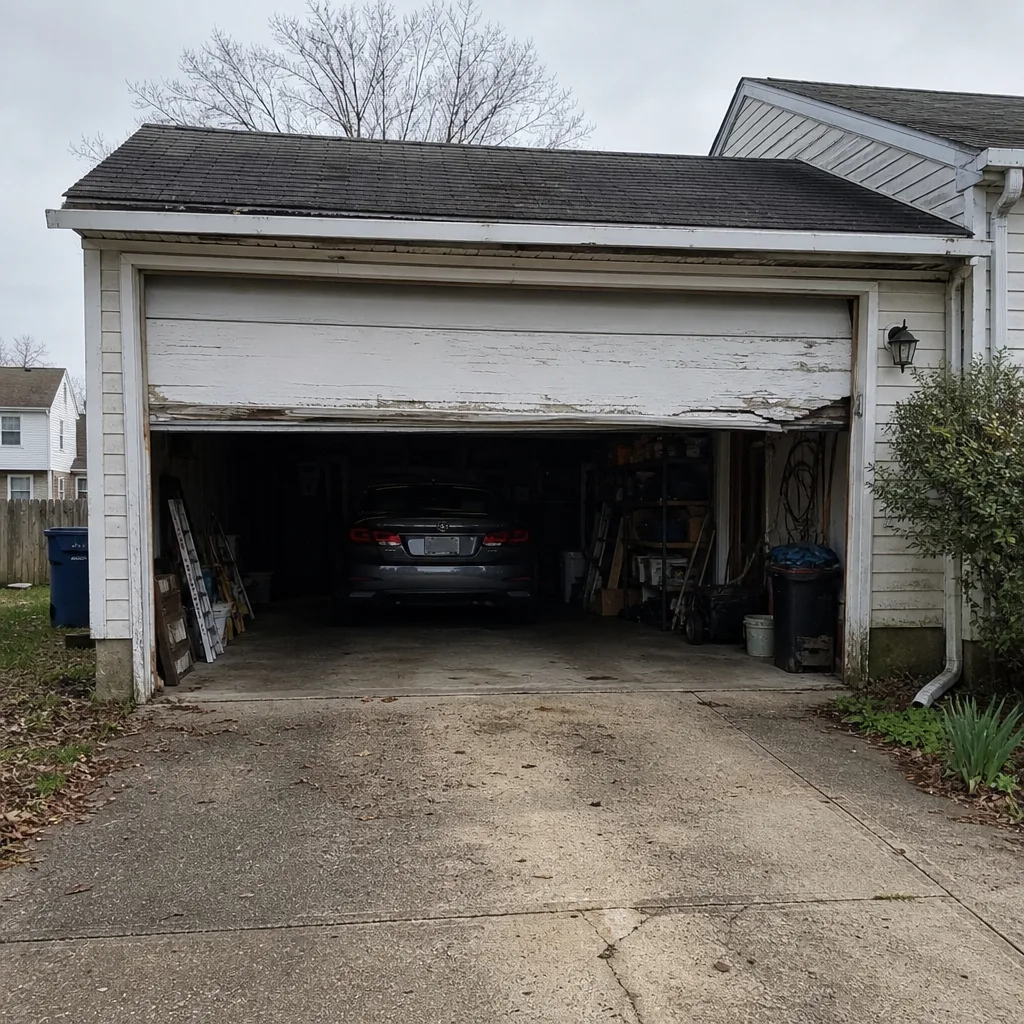 Before
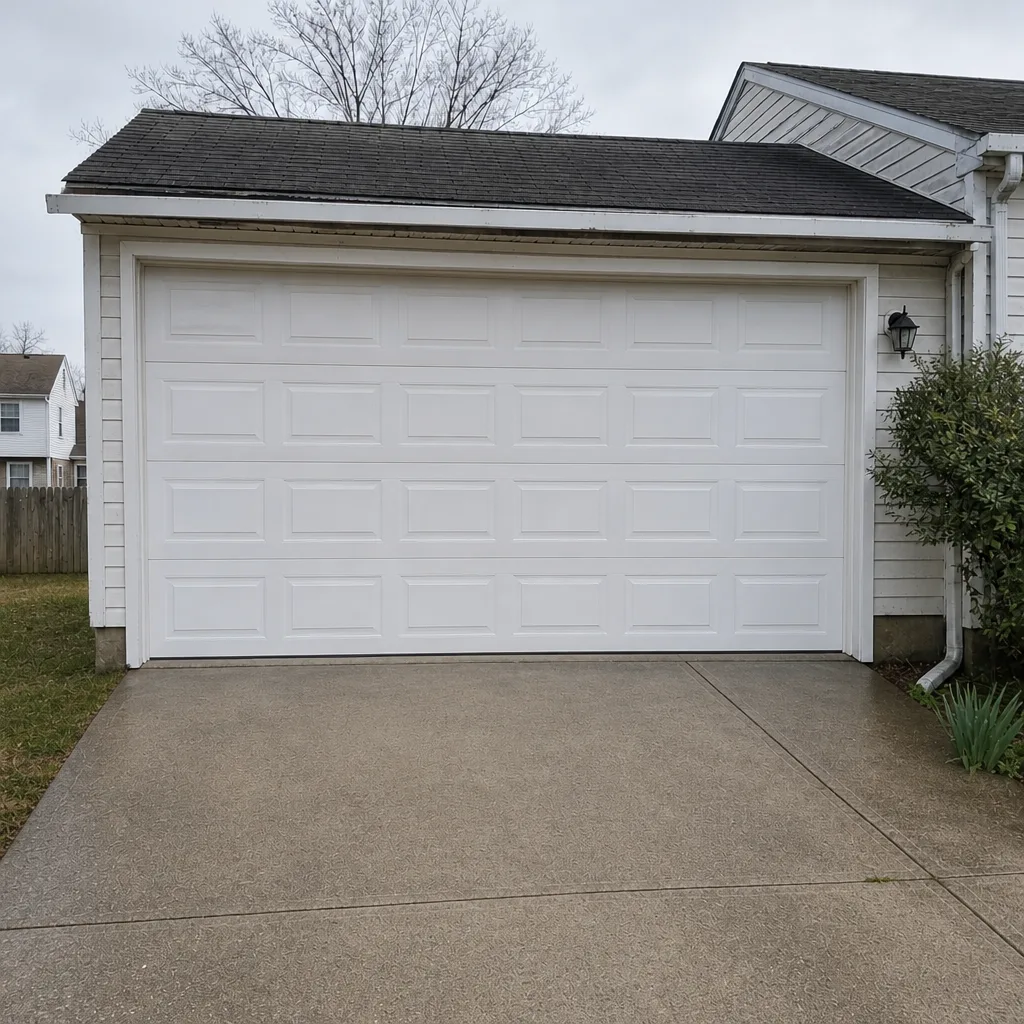 After
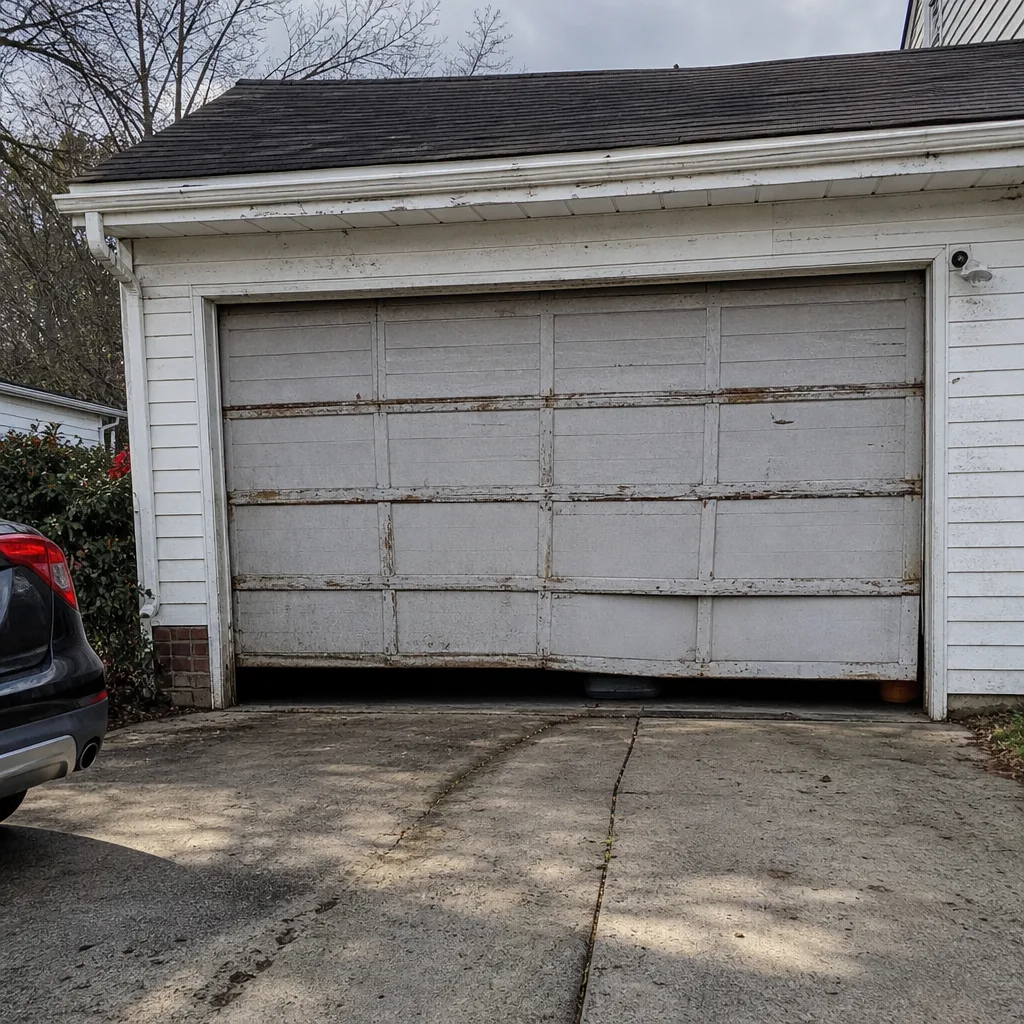 Before
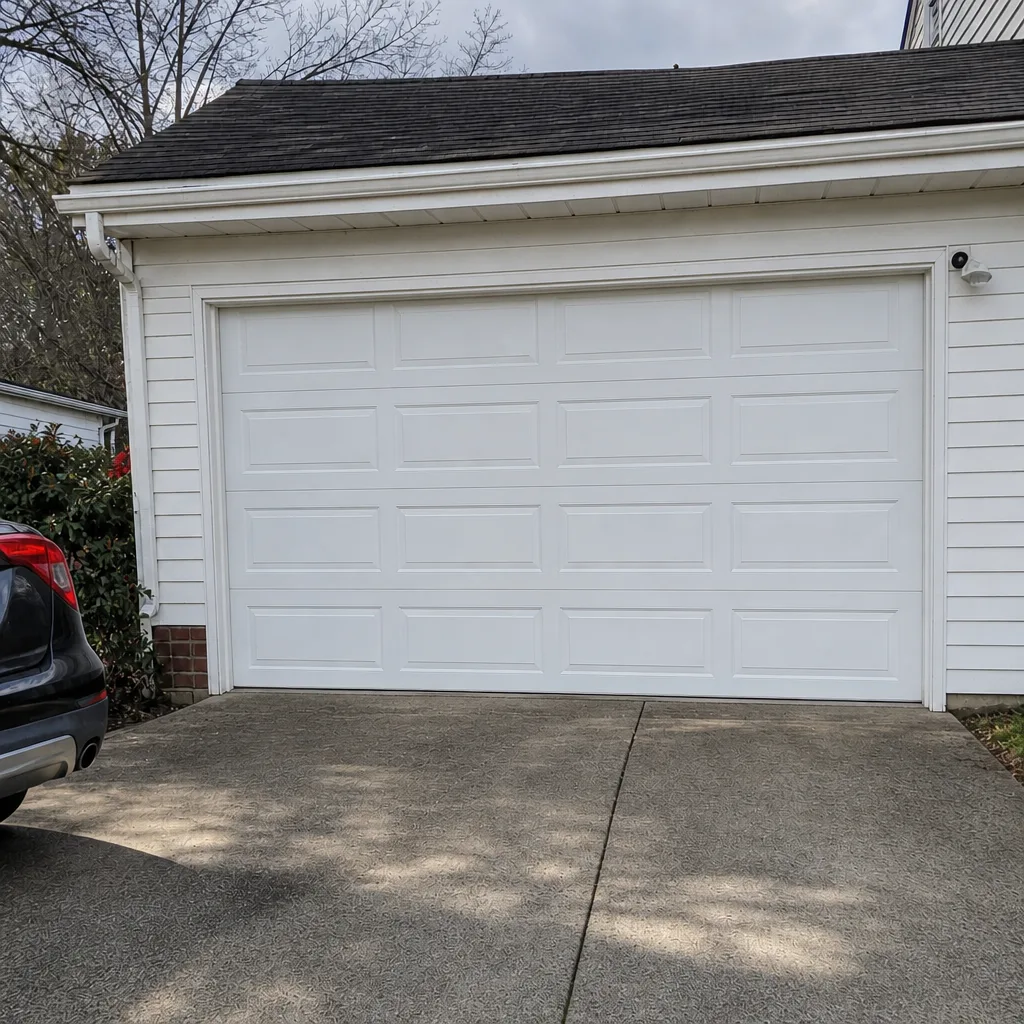 After
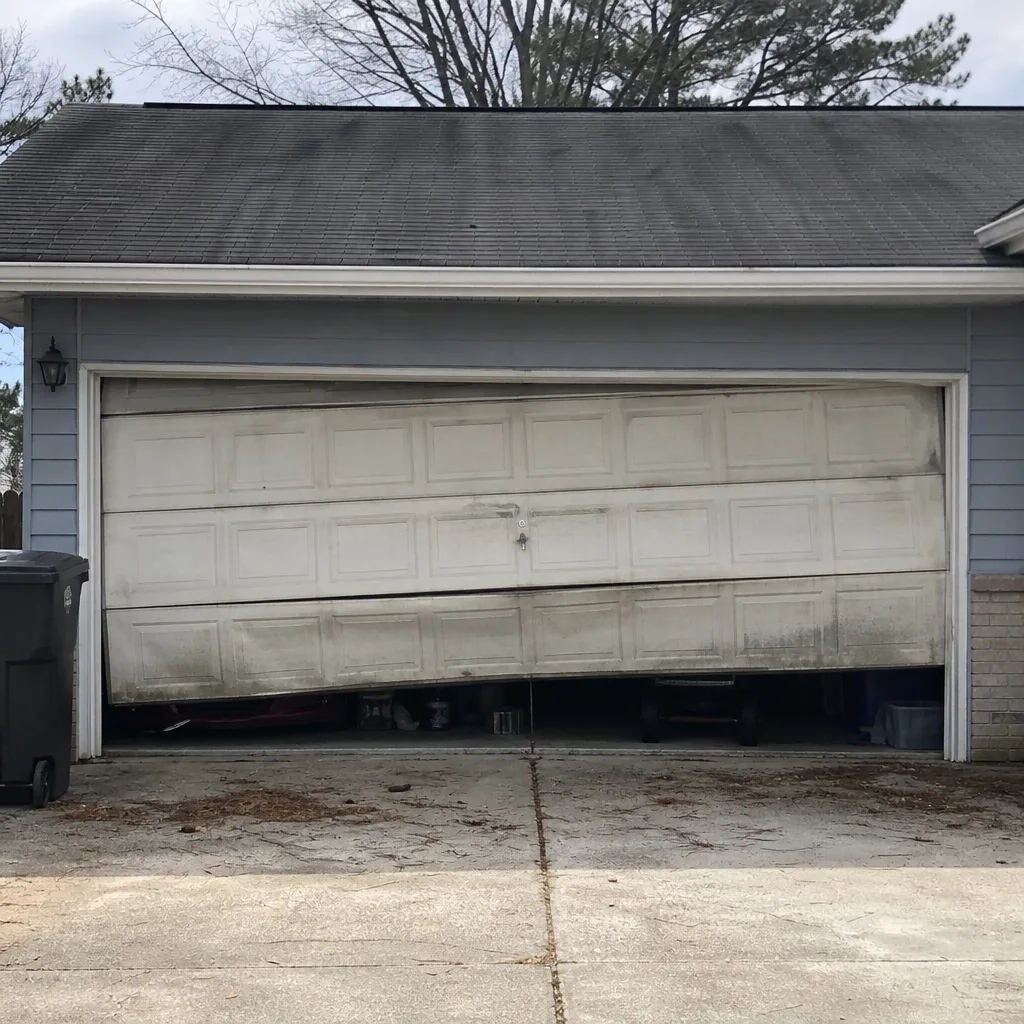 Before
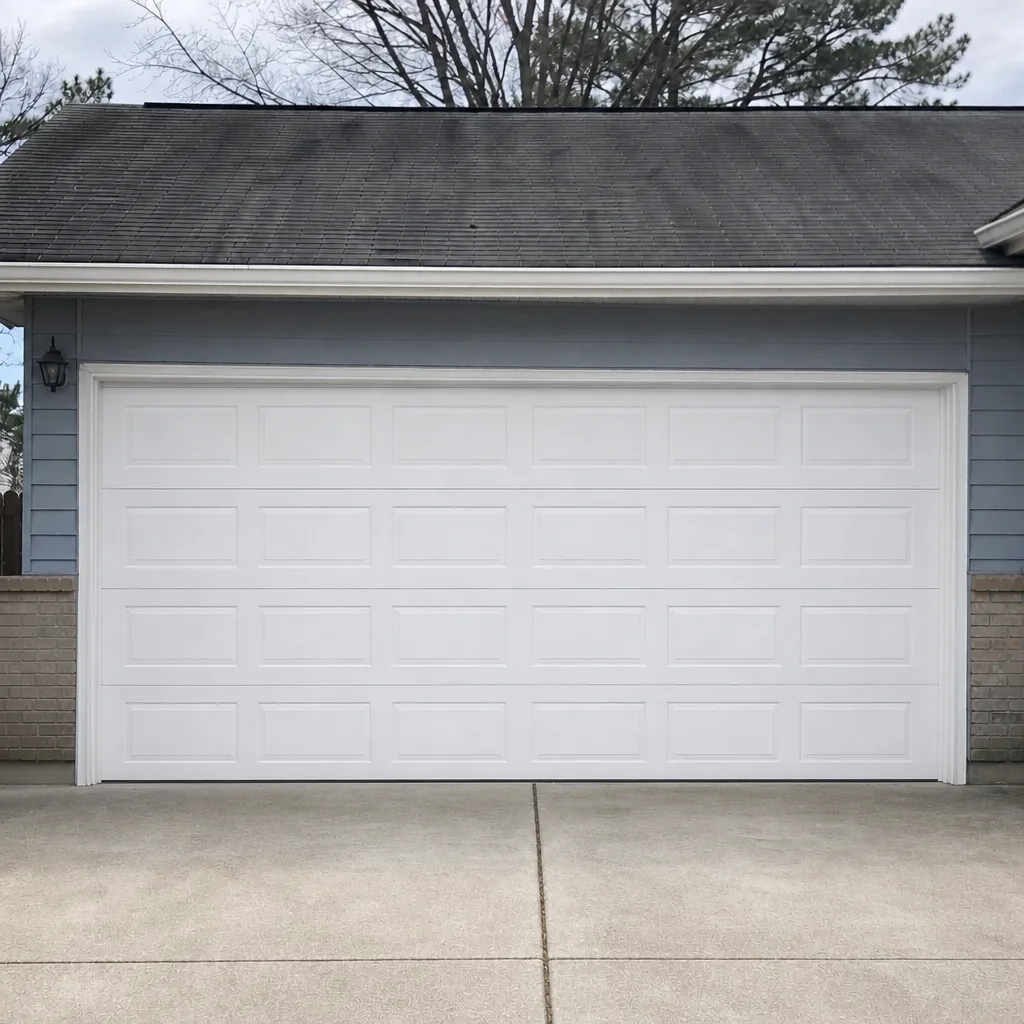 After