Last updated November 21, 2026
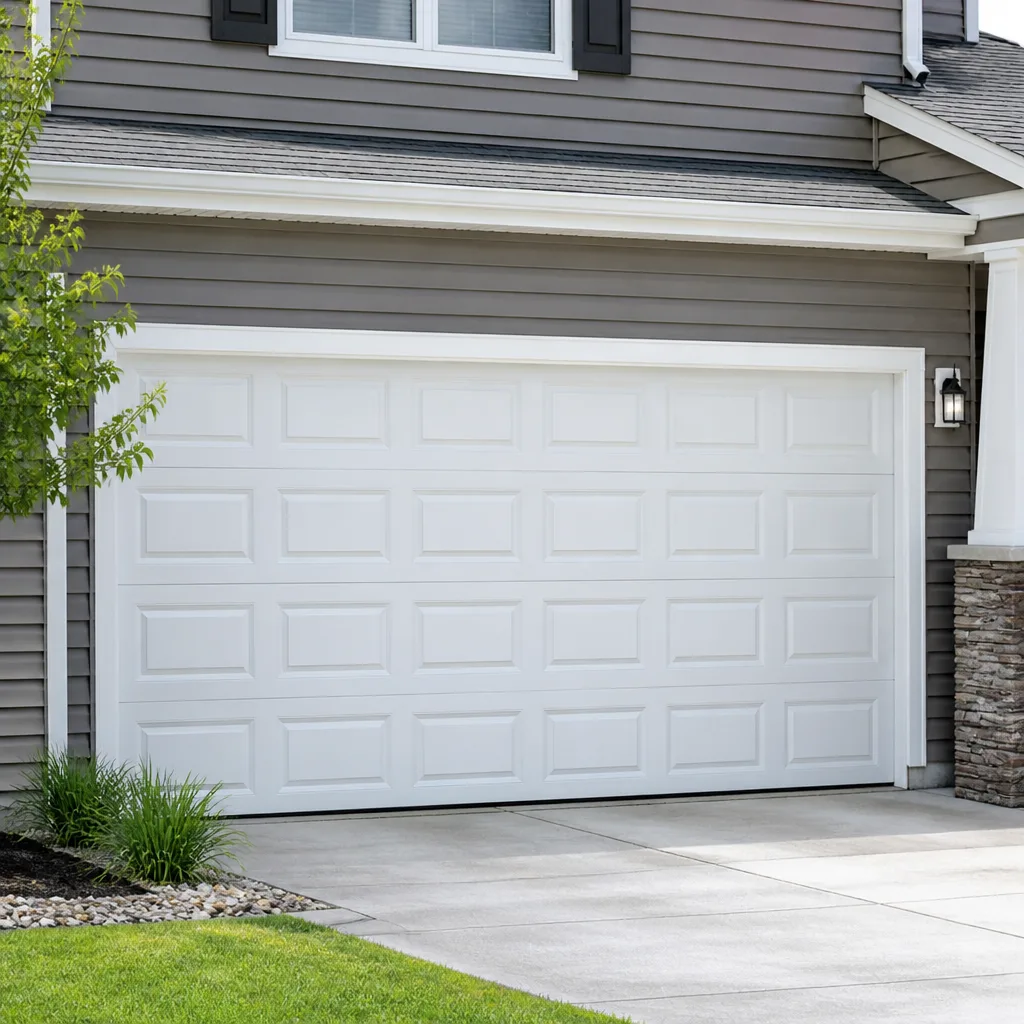 Raised-panel steel
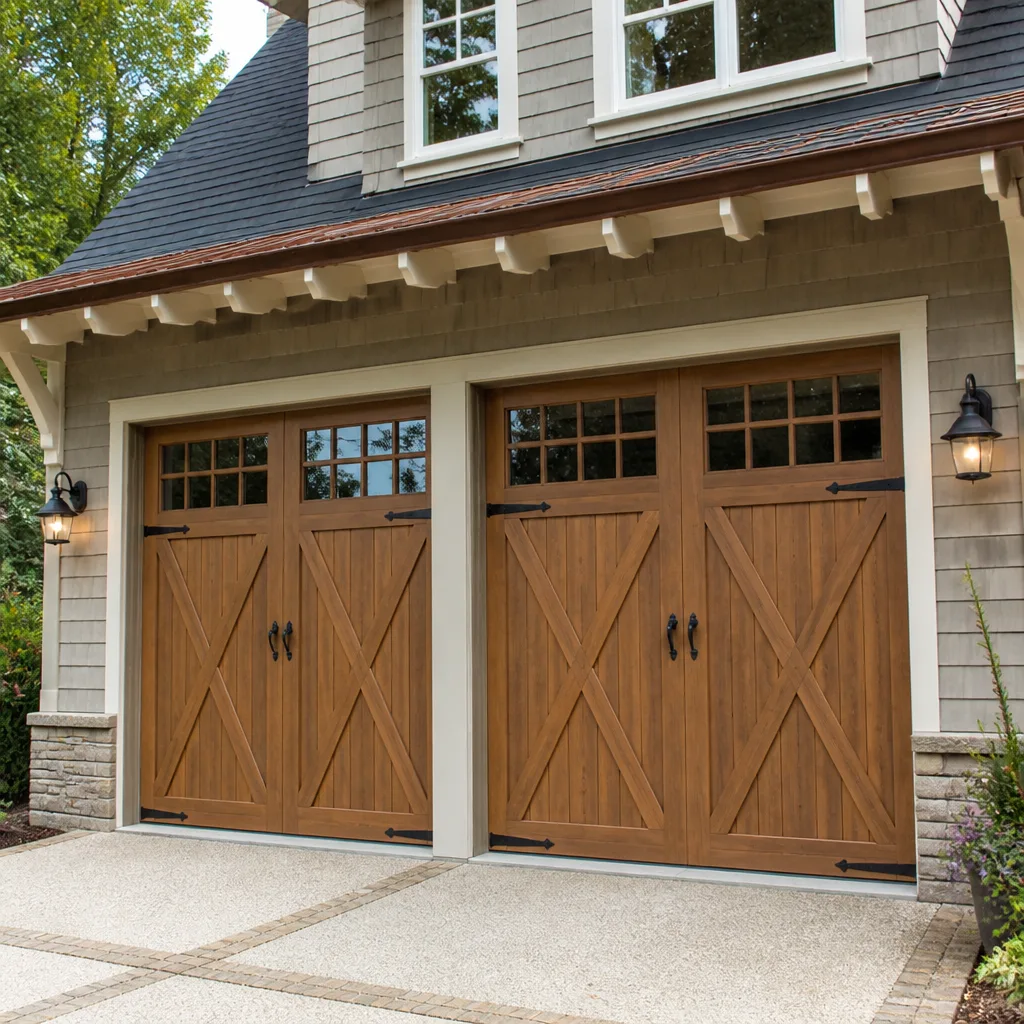 Carriage house
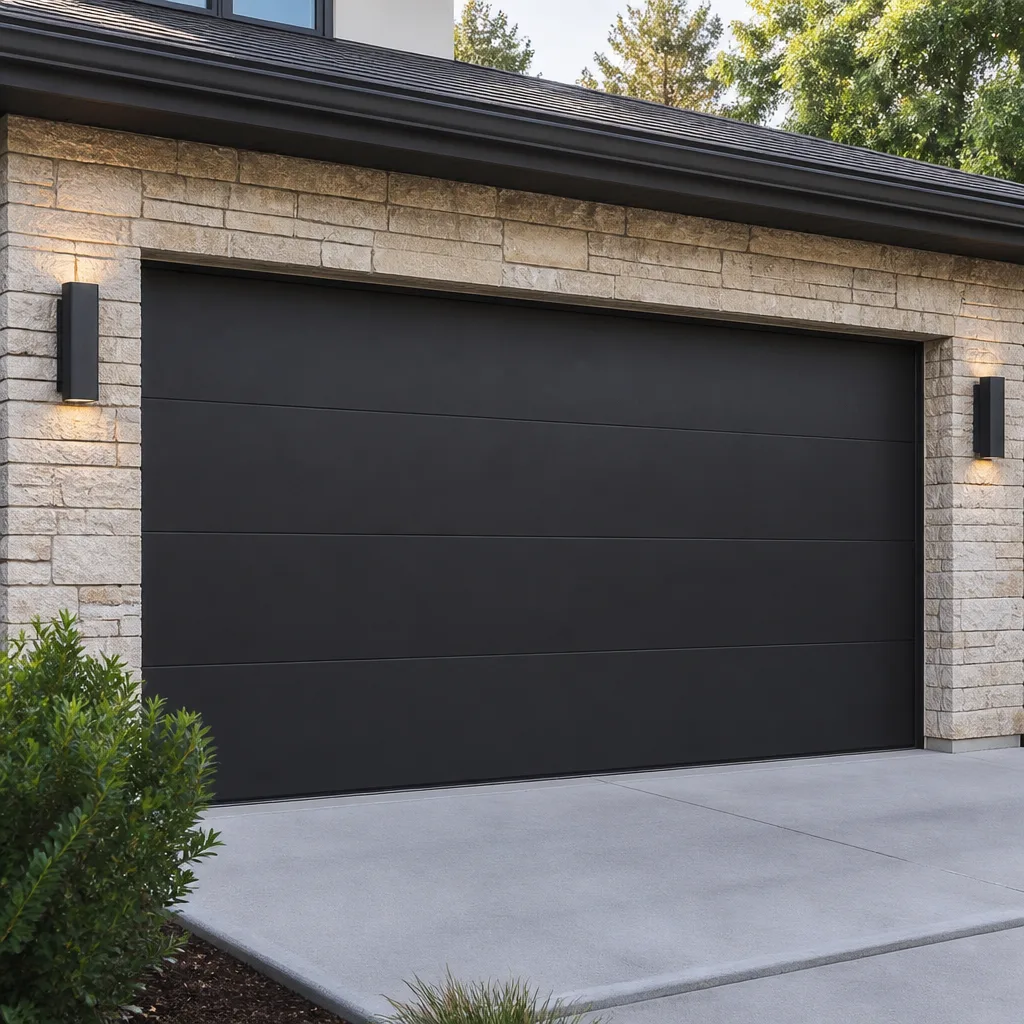 Modern flush
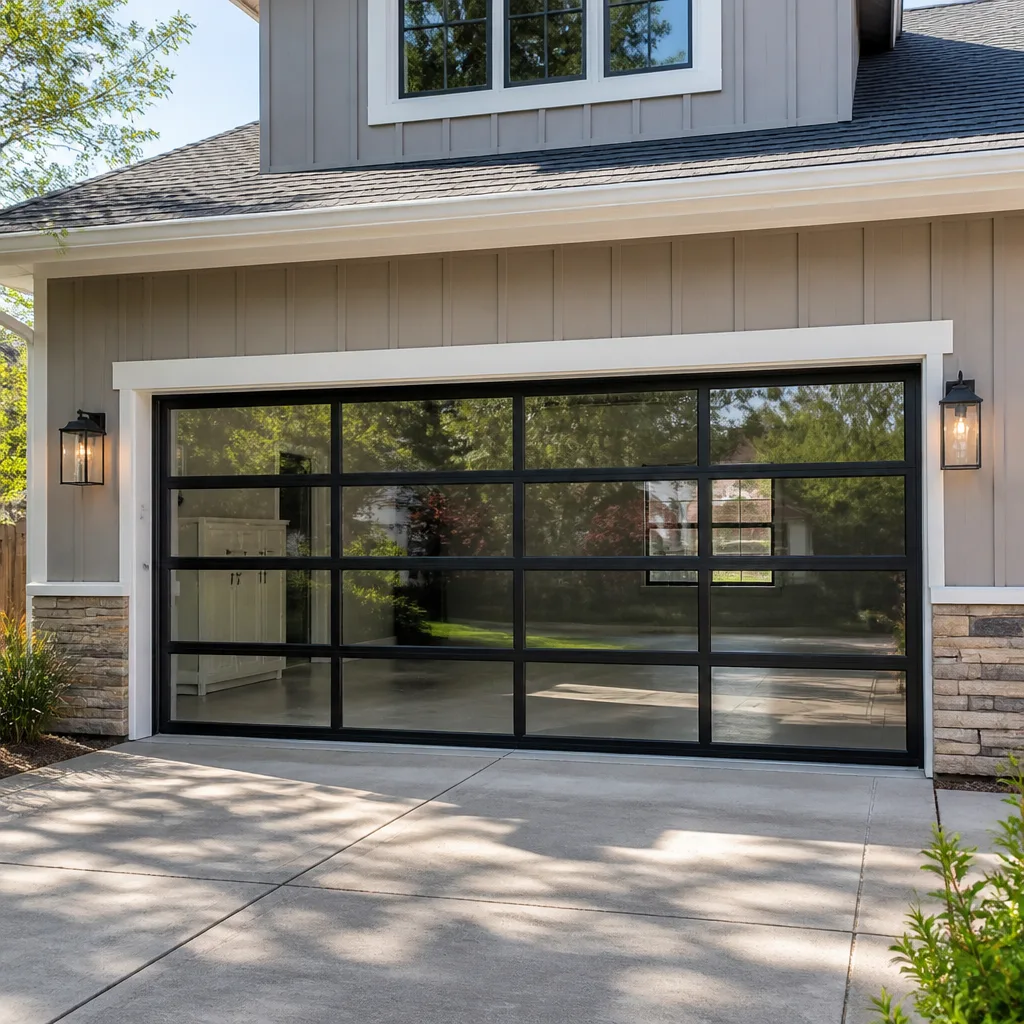 Full-view glass
 LiftMaster openers
 Chamberlain openers
Full 25-point door and opener safety check with every visit - springs, cables, rollers, tracks, and your LiftMaster or Chamberlain opener included
You get a price before we start. It does not change when the pro arrives.
Get your free estimateGarage Door Repair Maintenance Schedule: What to Do and When
The number one maintenance mistake isn’t skipping lubrication – it’s lubricating the wrong parts. Put oil or grease on your rollers, hinges, and nylon parts and you’ve turned them into dirt magnets. Grit sticks, the rollers stop rolling and start sliding, and wear speeds up instead of slowing down. That single habit explains more premature garage door failures than an empty maintenance calendar. In this guide, we’ll show you a schedule built around how often you actually use your door, not what month it happens to be. You’ll learn what to lubricate and what to leave dry, the five-minute checks that catch most pending failures, how Chesapeake’s summers and cold snaps change the plan, and how a simple log makes every technician visit faster.
Quick Answer
A garage door needs a light inspection monthly, proper lubrication every three to six months depending on how often it cycles, a balance test and visual cable check every few months, and a professional tune-up once a year. Track usage, not the calendar: a door opening six times a day needs attention roughly three times as often as one used twice. In Chesapeake, add a pre-summer check before the humid stretch and a pre-winter check before cold snaps.
Styles & brands we work with
- Raised-panel steel
- Carriage house
- Modern flush
- Full-view glass
- LiftMaster openers
- Chamberlain openers
Table of Contents
- Why Usage, Not the Calendar, Sets the Schedule
- The Chesapeake Seasonal Checklist
- What to Lubricate (and What to Leave Dry)
- The Five-Minute Balance and Cable Test
- What to Check Every Month
- Keeping a Maintenance Log That Works
- The Once-a-Year Professional Tune-Up
- Safety: What Not to Touch Yourself
Why Usage, Not the Calendar, Sets the Schedule
A garage door doesn’t wear on a schedule a calendar can predict. It wears on cycles: every open-and-close is one cycle. A door cycles somewhere between two and six times a day in most Chesapeake homes, and that difference matters far more than whether it’s March or August. A household that parks two cars and comes and goes all day puts three times the wear on springs, rollers, and hinges compared with a door that opens once in the morning and once at night.
That’s why a fixed “lubricate every January” approach misses the mark. Build your rhythm around how the door actually lives. So in our experience, it helps to sort your household into one of three usage bands:
- Light (1-2 cycles a day): a spare door, a seasonal vehicle, or a household that mostly uses one entrance. Inspect monthly, lubricate every six months.
- Average (3-4 cycles a day): the typical two-driver household. Inspect monthly, lubricate every four months, balance test every three.
- Heavy (5+ cycles a day): home-based work, a busy family, a door used for school runs, deliveries and errands. Inspect every few weeks, lubricate every three months, and book a professional tune-up more often.
Chesapeake’s humidity raises the stakes on all three bands. When a door cycles less, lubricant sits longer and can stiffen. When it cycles more, it works harder in the same heat. The cycle count is your anchor; the weather tells you which components to look at first. Stick with us through the next sections and you’ll see exactly how those two line up.
The Chesapeake Seasonal Checklist
Chesapeake’s climate puts two distinct pressures on a garage door: a long humid stretch and a sharp cold snap. Each stresses different parts, so the smart move is a targeted check before each one arrives rather than the same generic list all year.
Before the humid summer
- Tracks: humidity makes wood framing swell and can shift how a door tracks. Wipe the inside of the tracks clean and confirm the door opens and closes without rubbing.
- Sensors: summer storms and dirt blown onto the lenses cause sensor drift and nuisance reverses. Clean the photo-eye lenses and confirm the door reverses when the beam is broken.
- Weather seal: a brittle or cracked bottom seal lets in damp air and pests. Check it flexes and sits flush with the floor.
- Hardware: rust blooms on untreated hinges and bolts in damp air. A dry-film lubricant keeps moisture off without collecting grit.
Before the winter cold snap
- Springs: cold makes metal more brittle, so inspect for gaps, uneven coils or a door that feels heavier than it should before the first hard freeze.
- Lubrication viscosity: thick grease stiffens in the cold and strains the opener. Use a lubricant rated for cold weather on moving metal parts.
- Opener force: a cold door moves more stiffly. If the opener struggles, that’s a sign to have the machine checked, not to keep bumping up the force setting.
- Seals and thresholds: a seal that dried out over summer may not seal against cold air. Check it and replace if it’s stiff.
These two seasonal passes, run before the humid months and before the cold, do more for a Chesapeake door than any single annual event. They catch the parts local weather hits hardest, exactly when it hits them.
What to Lubricate (and What to Leave Dry)
Lubrication is where most homes get it backwards. The goal isn’t to coat everything; it’s to reduce friction on the right surfaces and keep everything else clean and dry. Use a purpose-made garage door or white lithium lubricant, or a silicone spray for the tracks, and stay away from heavy grease and general-purpose oil that grab and hold dirt.
Lubricate these
- Hinges: a small drop at each hinge pivot, including the one at the top of the door.
- Roller bearings (metal rollers only): a drop on the metal bearing, never on the roller face.
- Metal rollers and the hinge points: light film on metal moving parts.
- Springs: a light coat on torsion springs reduces coil friction and helps them slide against each other. This is a spray only job; never touch, adjust or wind a spring yourself.
- Opener rail and chain (if belt- or chain-driven): a light lubricant on the chain or the trolley points reduces drag.
Leave these dry
- Nylon or plastic rollers: these are self-lubricating and only collect grit if you add anything to them.
- The tracks: clean them, don’t grease them. Lubricant on tracks turns them into a dust trap that clogs rollers. A dry silicone cloth wipe is the exception.
- The opener housing: never open it or add lubricant inside. Sealed internal parts aren’t meant for homeowner service.
One pass on the correct parts, every three to six months depending on your usage band, keeps the door quiet and slows wear. One pass on the wrong parts does the opposite.
The Five-Minute Balance and Cable Test
Two checks catch most of the failures that show up as a door that quits on a Tuesday morning. Both take under five minutes and neither requires tools, just your hands and eyes.
The balance test
- Close the door fully and pull the opener release cord to disconnect the door from the machine.
- Lift the door about halfway by hand and let go.
- Watch what it does. A balanced door holds its position. One that drops or races down means the springs or balance are off.
- Reconnect the opener by pushing the release back. If the door creeps or falls, don’t use it until a technician has looked at it.
The visual cable inspection
- Stand clear of the door and look at the cables on both sides.
- Check for fraying, kinks, or broken strands. A healthy cable sits straight and clean under tension.
- Look at where the cable wraps on the drum; it should be neat, with no overlapping or slack.
- Never touch a cable under tension. If it looks frayed or slack, stop and call a professional.
In our experience, a door that fails the balance test or shows a damaged cable almost always has a related spring problem behind it. Springs are the dangerous part of this machine; we go into that below. Run both checks whenever you do your lubrication pass and note the result in your log.
What to Check Every Month
A short monthly walk-around keeps small problems from becoming emergency calls. It shouldn’t take more than ten minutes, and it’s mostly looking and listening.
- Listen: open and close the door and listen for grinding, squealing or scraping. New noises point to a component that needs attention.
- Test the safety reverse: place a board or a roll of paper under the door and close it. The door should reverse on contact. Also cover the photo-eye beam with a hand and confirm the door reverses.
- Check the rollers: look for cracks, chips or flat spots. A chipped roller is a wear item and should be replaced before it damages the track.
- Look at the hinges: loose or worn hinges rattle and can warp the door. Snug any that are loose and note any that are worn.
- Check the weather seal and threshold: seal should sit flush and flex; threshold should be clear of debris.
- Look for oil streaks under springs: a spring that’s losing its coating is a warning sign worth a professional look.
- Check opener response: the opener should open, close and reverse smoothly. If it hesitates, book a check of the opener rather than ignoring it.
If the door’s machine itself is the problem, our garage door opener repair team handles LiftMaster, Chamberlain, Genie, Craftsman and Raynor systems directly. For the door itself, our garage door repair service covers the hardware, rollers, tracks and hinges a monthly check tends to surface.
Keeping a Maintenance Log That Works
A simple log turns fuzzy memory into a clear record. It matters twice: once when you’re trying to figure out whether a noise is new, and again when a technician arrives and can see what’s been done and when. It also helps if you ever need to reference work done under a product warranty – a clear record of what was serviced goes a long way.
You only need a notebook or a note on your phone with six fields per entry:
- Date of the check or service.
- Cycles per day your household is running (light, average, heavy).
- What you checked (lubrication, balance test, monthly walk-around).
- What you found (noise, worn roller, door drifts).
- What was actioned and by whom.
- Next due date based on your usage band.
A log like this means a technician walking in already knows the door’s recent history, which shortens diagnosis. It also means you’ll spot a repeating issue before it becomes a spring or opener failure. Keep the log with the door – tape it inside the garage near the opener – so it’s there whenever the door decides to act up.
The Once-a-Year Professional Tune-Up
What you do yourself handles daily wear. An annual professional tune-up handles the parts you shouldn’t touch. A proper tune-up covers the spring tension and settings, the opener force and travel limits, the balance adjustment, and a full check of cables, drums and brackets. On a heavier-use door, that visit is worth doing more often than once a year.
Think of the annual visit as a chance to check the machine as a whole, not just one part. A technician can see the spring setting and cable wrap in ways you can’t from the ground, and can adjust the opener to match your door as seasons shift. It’s also the right moment to ask about anything your monthly notes flagged – a chirping roller, a door that feels heavier in cold weather, a sensor that needed cleaning more than once.
When you need a full replacement instead of a tune-up, our garage door installation service covers new doors and openers from Clopay, Amarr and Wayne Dalton, matched to how your home actually uses the entrance. If you’re deciding between repair and replace, that’s a good conversation to have at the annual visit while the technician has the door in front of them.
Safety: What Not to Touch Yourself
Some parts of a garage door system are genuinely dangerous to adjust. The torsion spring and the cables are under extreme tension, and a wrong move can cause serious injury. This isn’t a “be careful” warning – it’s a hard line.
- Never wind, unwind, loosen or adjust a torsion spring. The tension stored in a wound spring can cause severe injury if released incorrectly.
- Never cut, loosen or adjust cables. They carry the door’s weight and can snap under load.
- Never remove the bottom bracket or any bracket holding a cable or spring.
- Never defeat the safety reverse. It exists to stop the door on a person, pet or object.
- Never open the opener housing or try to repair internal electrical parts.
Your job is the monthly walk-around, the lubrication pass, the balance-and-cable check, and calling for anything beyond that. That division of labor keeps your door safe and your maintenance log honest. Springs, cables, brackets and internal opener parts belong to a trained professional – that’s the Garage Door Repair Chesapeake Pros approach, and it’s why the maintenance schedule this guide lays out works.
Common Mistakes to Avoid
- Lubricating the tracks and nylon rollers. This is the mistake that turns a clean door into a dust magnet. Keep tracks dry and leave nylon rollers alone.
- Using heavy grease on a garage door. In Chesapeake’s humid summers, grease holds grit and stiffens in winter. Use a purpose-made door or silicone lubricant instead.
- Skipping the balance test because the door “feels fine.” A door that quietly drifts or drops is telling you the springs are weakening, before it fails. Test it, don’t assume.
- Bumping up the opener force to fight a stiff door. If the door struggles, the fix is at the door, not the opener setting. Forcing it strains the machine and the springs.
- Ignoring seasonal changes. A door that runs clean in spring can stiffen in a cold snap or drift on a humid day. Check before both, not after.
- Treating an annual tune-up as optional. Springs, cables and opener settings need a trained eye once a year. Skipping it is how small issues become emergency calls.
- Running a noisy door for months. Grinding and squealing are early warnings. Log them and get them looked at before they turn into a door that won’t move.
See the difference
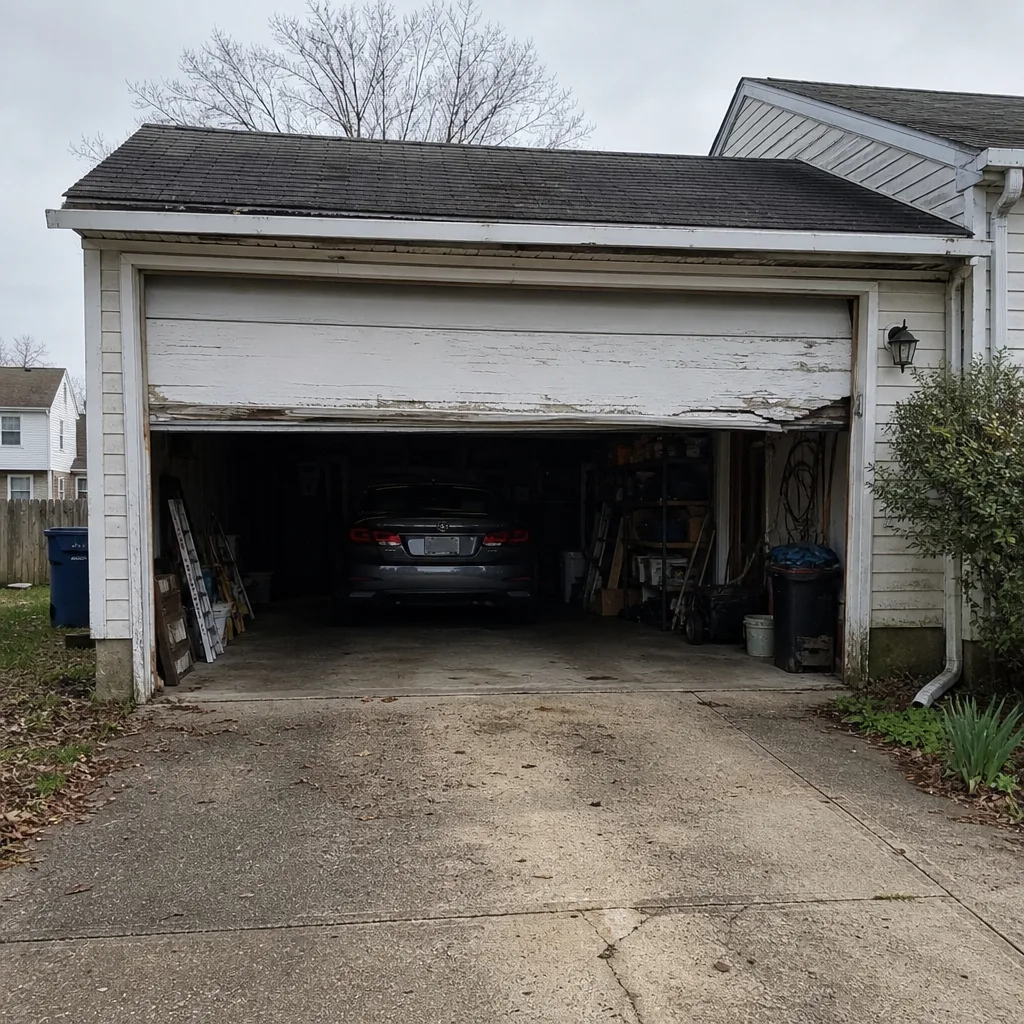 Before
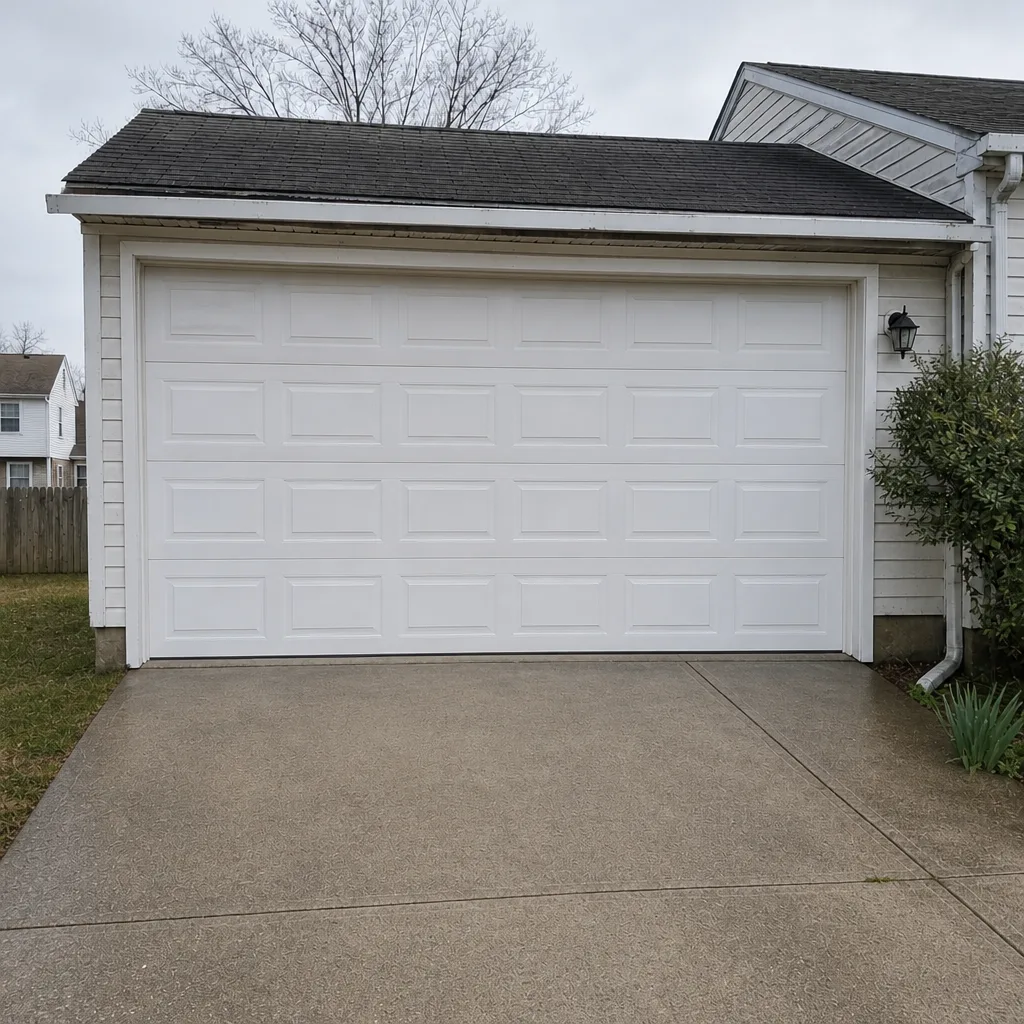 After
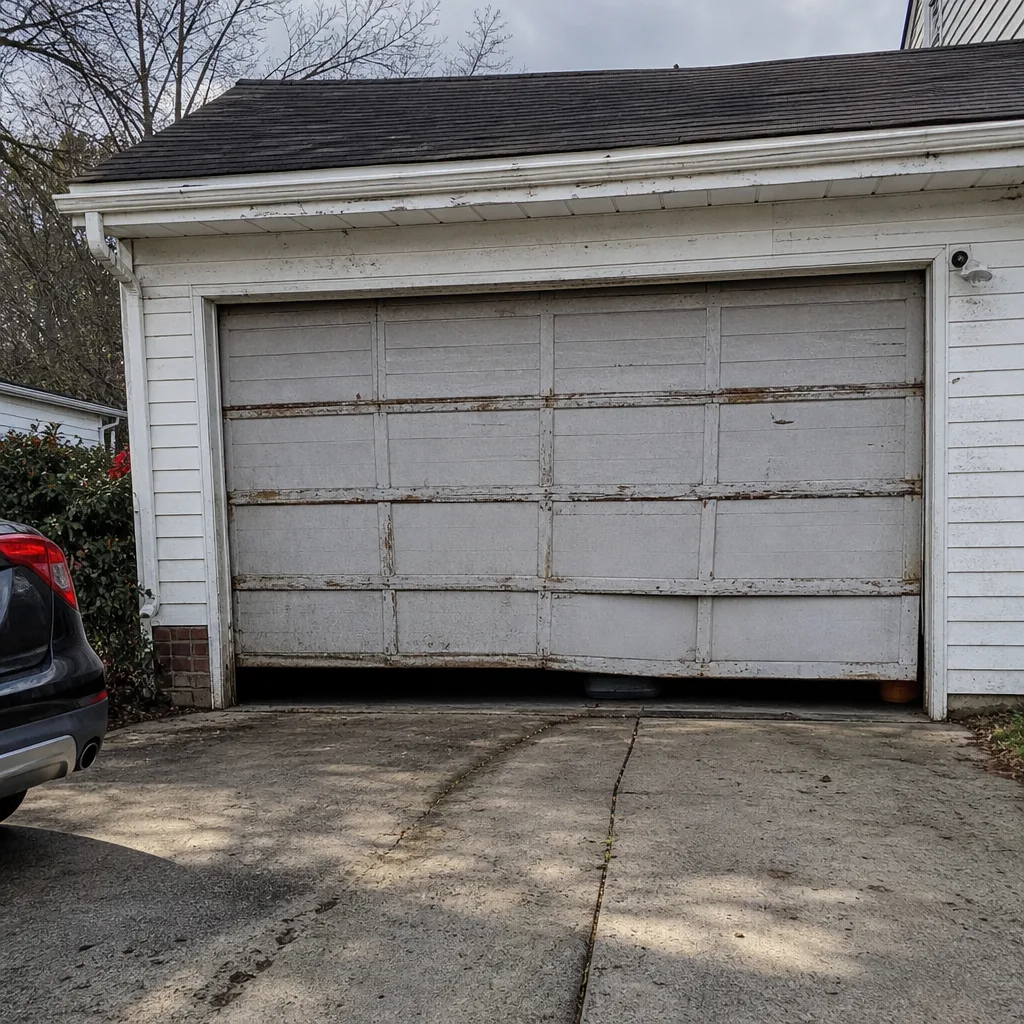 Before
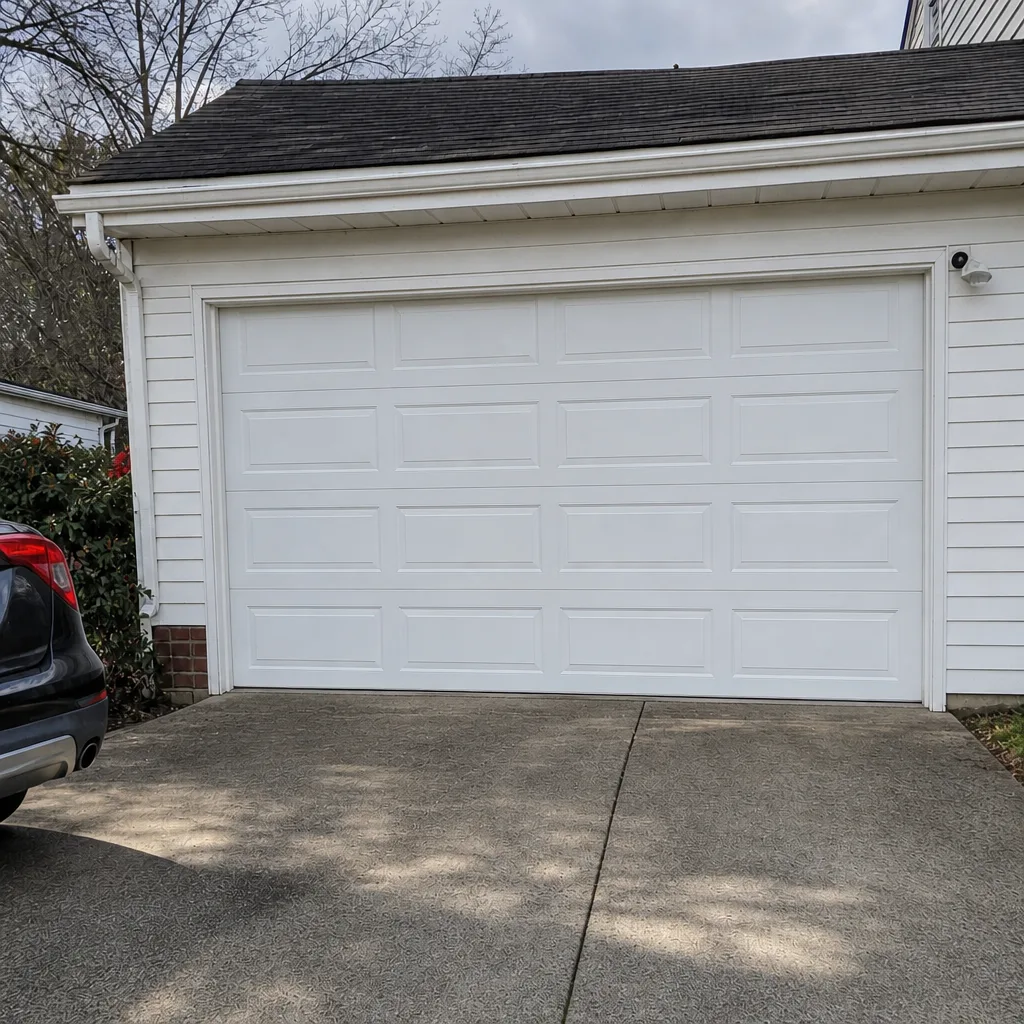 After
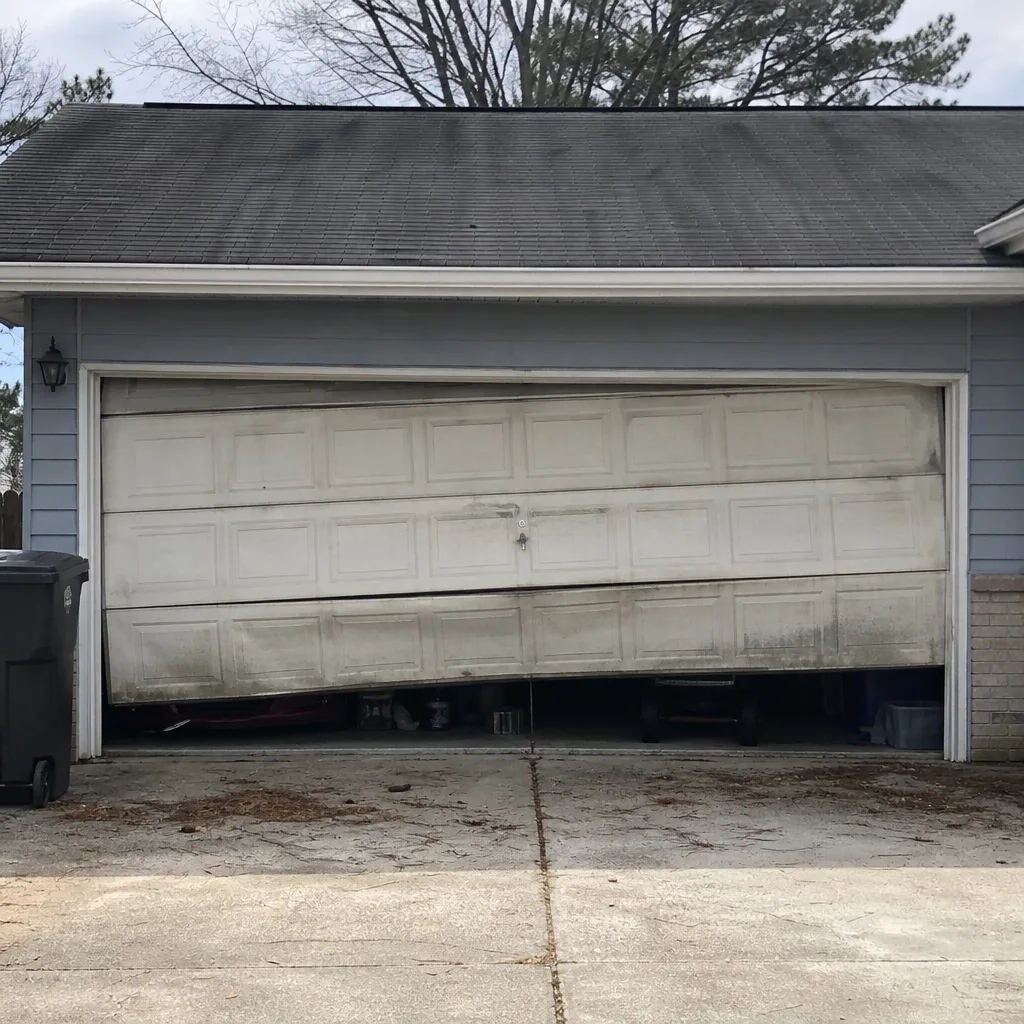 Before
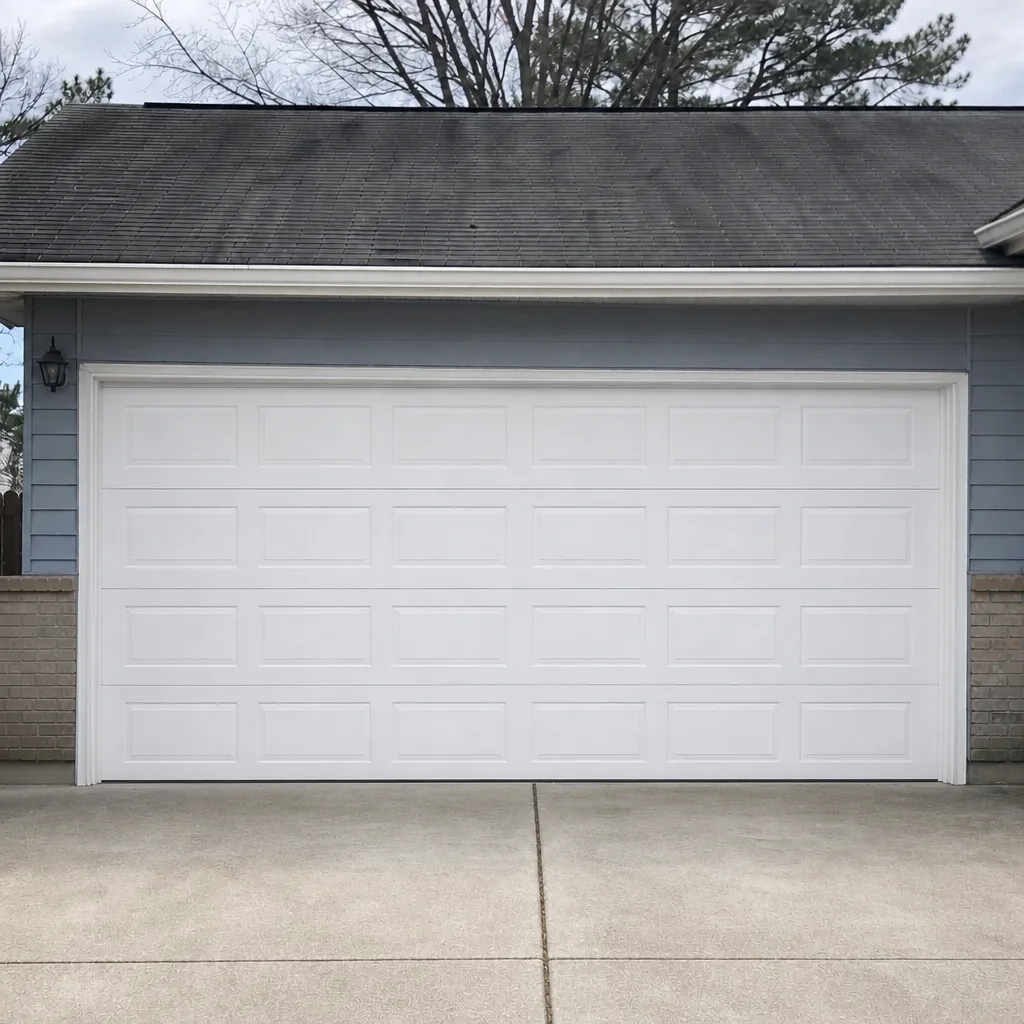 After
When to Call a Professional
Call a professional for anything involving springs, cables, drums or brackets, and for any opener problem that persists after a monthly check. Call when the door balances off, runs rough, reverses on its own, or won’t open or close. Call when a spring visibly loses tension or a cable looks frayed, and when a cold snap makes the door suddenly heavier. If you’re unsure, call – the cost of a check is small against the cost of a door that fails at the wrong moment. Garage Door Repair Chesapeake Pros offers free estimates in Chesapeake – call (877) 745-2212. Our technicians have up to 8 years of experience, we work on your brand whatever it is, and we handle repairs, openers, springs, installation and emergency calls in one place, so you’re not handed off mid-job.
Frequently Asked Questions
Inspect it monthly, lubricate it every three to six months depending on how often it cycles, and book a professional tune-up once a year. A door used five or more times a day needs every one of those intervals shortened. Call (877) 745-2212 for a free estimate on a tune-up.
Usage is the better anchor. A calendar alone misses the reality that a door opening six times a day wears three times faster than one opening twice. Match your lubrication to your cycles, then layer in Chesapeake’s seasonal checks before humid summer and before a cold snap. Call (877) 745-2212 if you’re unsure which band your door is in.
Leave the tracks dry, leave nylon and plastic rollers alone, and never add lubricant inside the opener housing. Grease and oil on those parts collect grit and speed up wear. Lubricate hinges, metal roller bearings, and metal moving parts instead. Call (877) 745-2212 to book a technician to lubricate and check the door properly.
No. Torsion springs are under extreme tension and can cause serious injury if adjusted incorrectly. A failing spring is exactly the kind of job that should go to a specialist. Call (877) 745-2212 and we’ll look at the springs, cables and balance for a free estimate.
Humidity swells framing, shifts tracks and causes sensor drift, so clean tracks and sensor lenses before summer. Cold makes springs brittle and thickens lubricant, so check springs and use cold-rated lubricant before winter. Running both seasonal passes keeps the door reliable across the whole year. Call (877) 745-2212 for a tailored schedule.
Record the date, your household’s cycles per day, what you checked, what you found, what was actioned, and the next due date. A log like that shortens diagnosis and is useful if a product warranty ever needs a record. Call (877) 745-2212 and we can start the log with you at a free estimate.
The Bottom Line
Forget the calendar. Track your door’s cycles, run the monthly walk-around and the five-minute balance-and-cable check, and lubricate only the right parts – hinges, metal bearings and springs, never the tracks or nylon rollers. In Chesapeake, layer in a pre-summer check for swollen tracks and sensor drift and a pre-winter check for spring brittleness and lubricant viscosity. Keep a simple log so every technician visit starts informed. Skip the dangerous parts – springs, cables, brackets – and let a professional handle those at the annual tune-up. Do that, and your door stays quiet and reliable between visits.
Need a door checked, tuned, repaired or replaced? Garage Door Repair Chesapeake Pros handles garage door maintenance, repair, opener repair, spring repair, installation and emergency service across Chesapeake. Call (877) 745-2212 for a free estimate and a schedule built around how you actually use your door.
Written by the team at Garage Door Repair Chesapeake Pros.