Last updated November 21, 2026
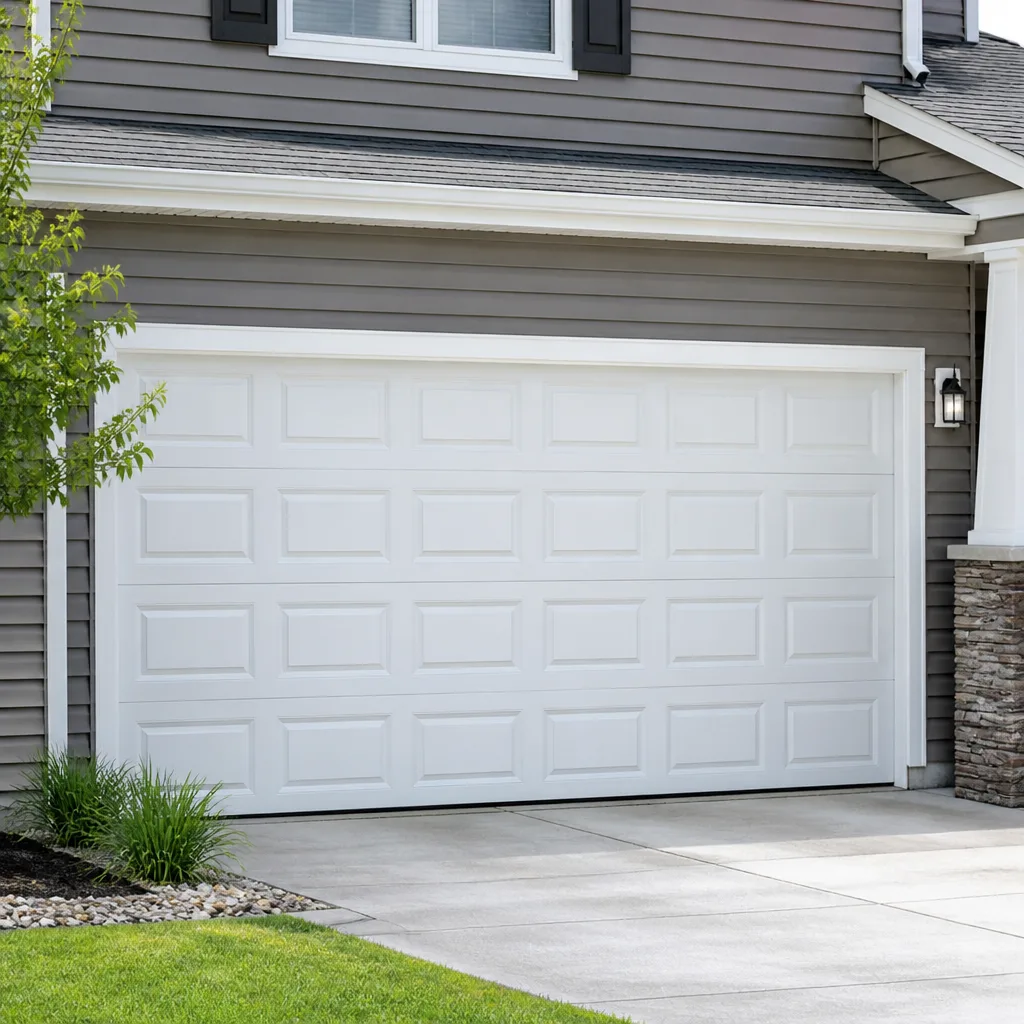 Raised-panel steel
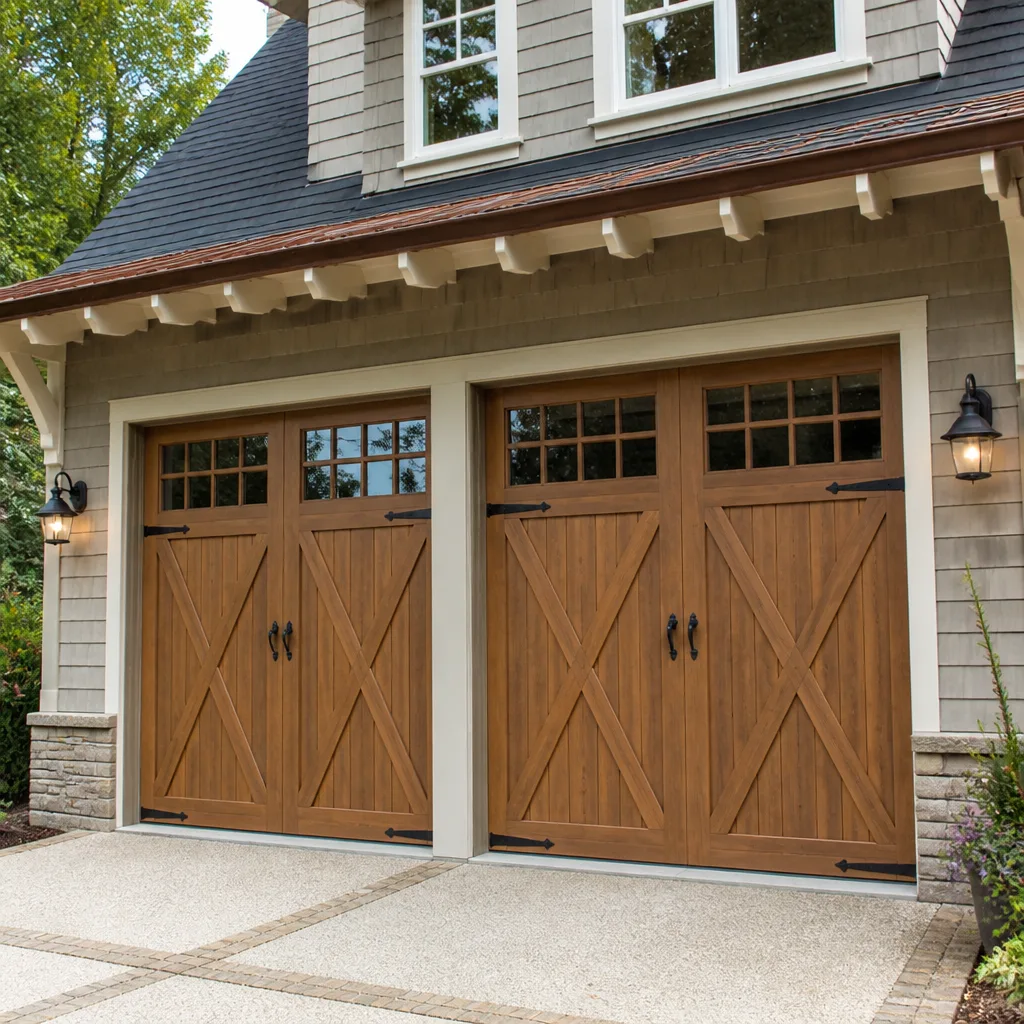 Carriage house
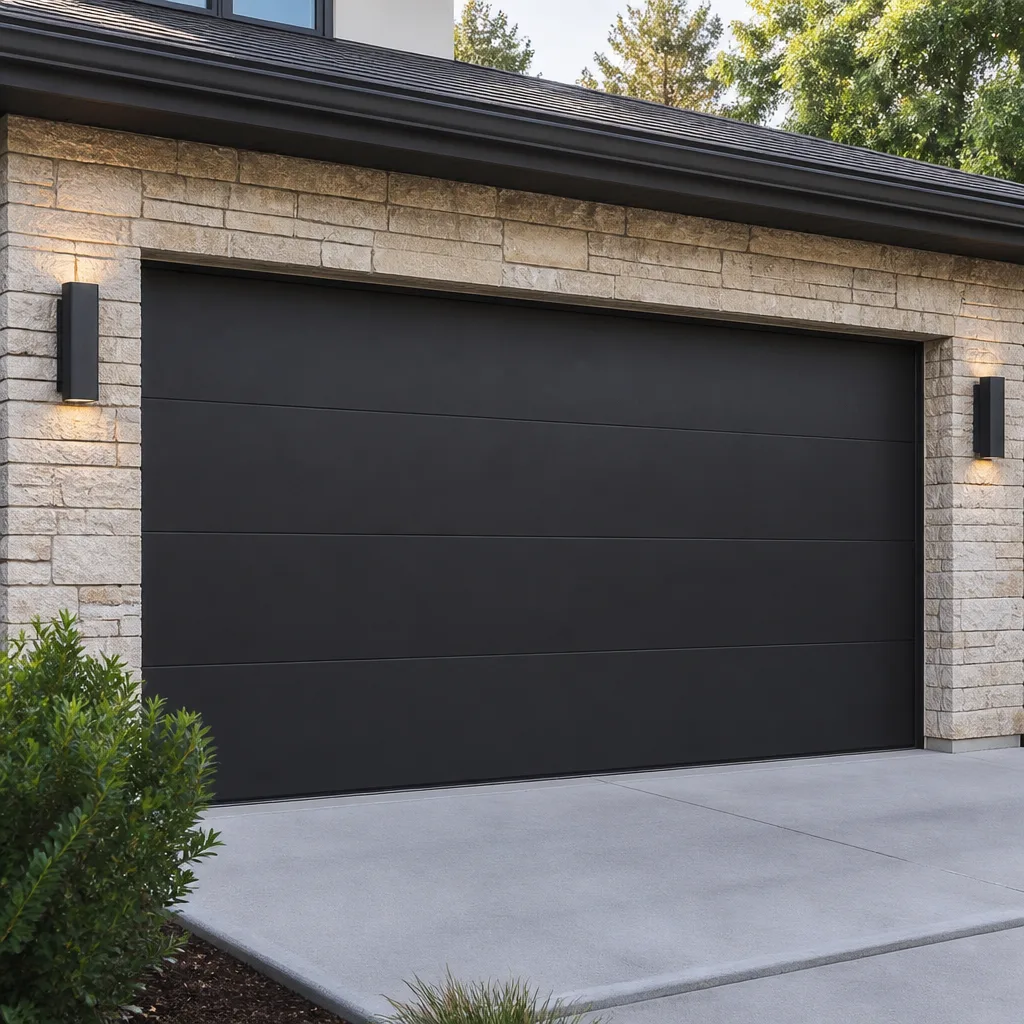 Modern flush
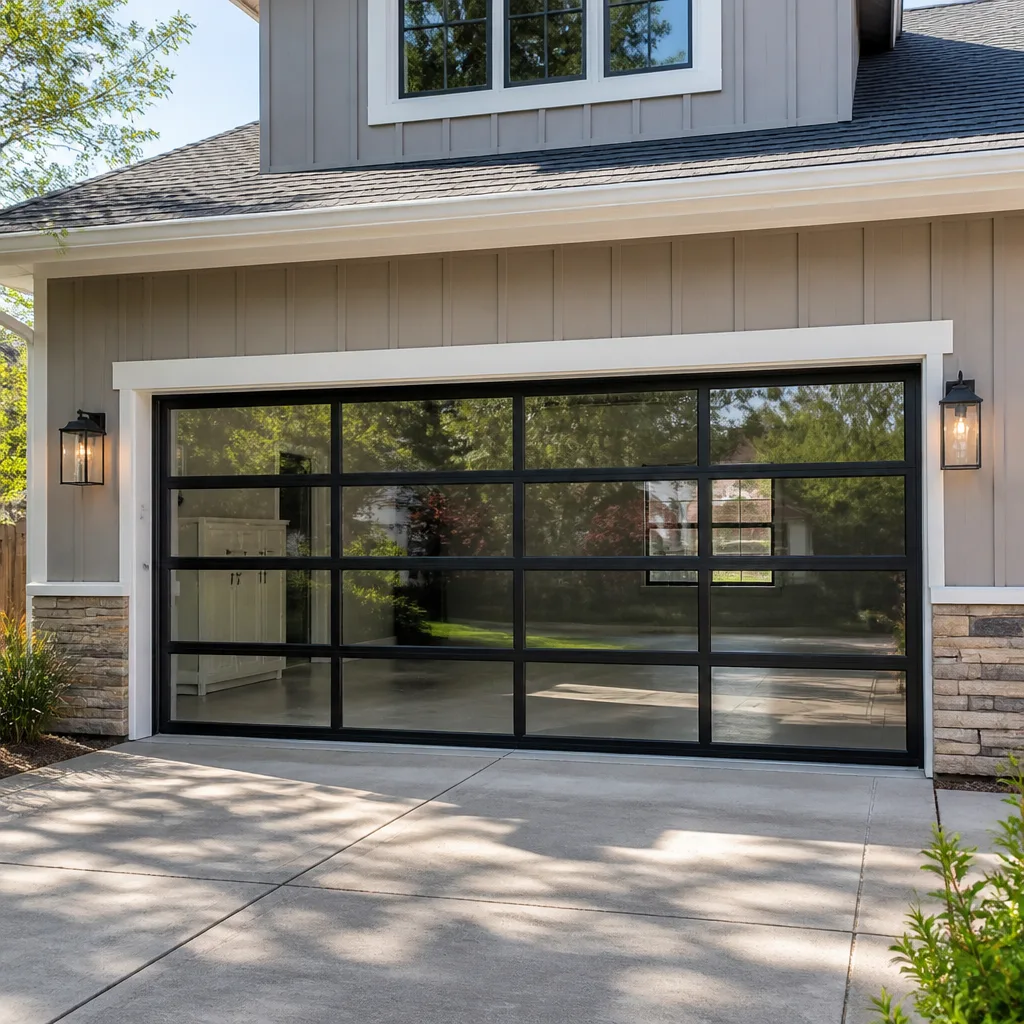 Full-view glass
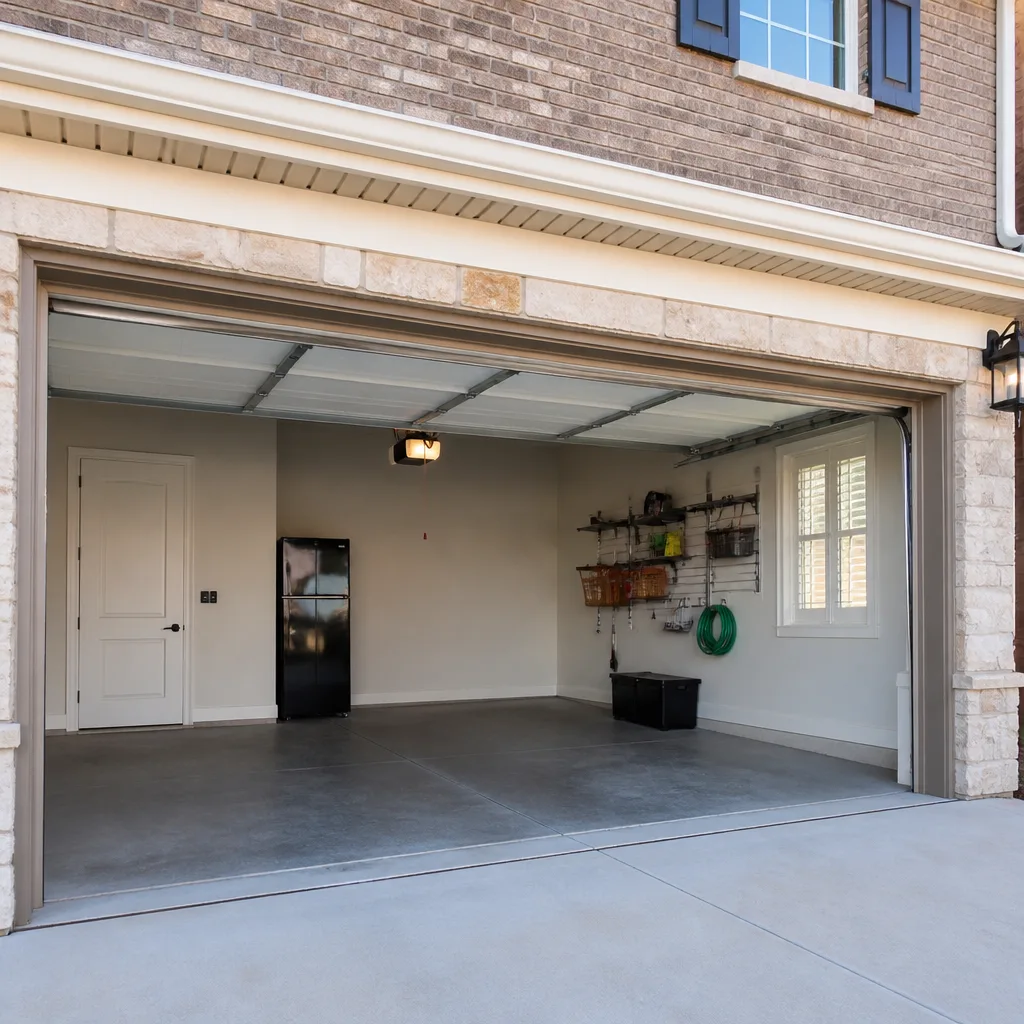 LiftMaster openers
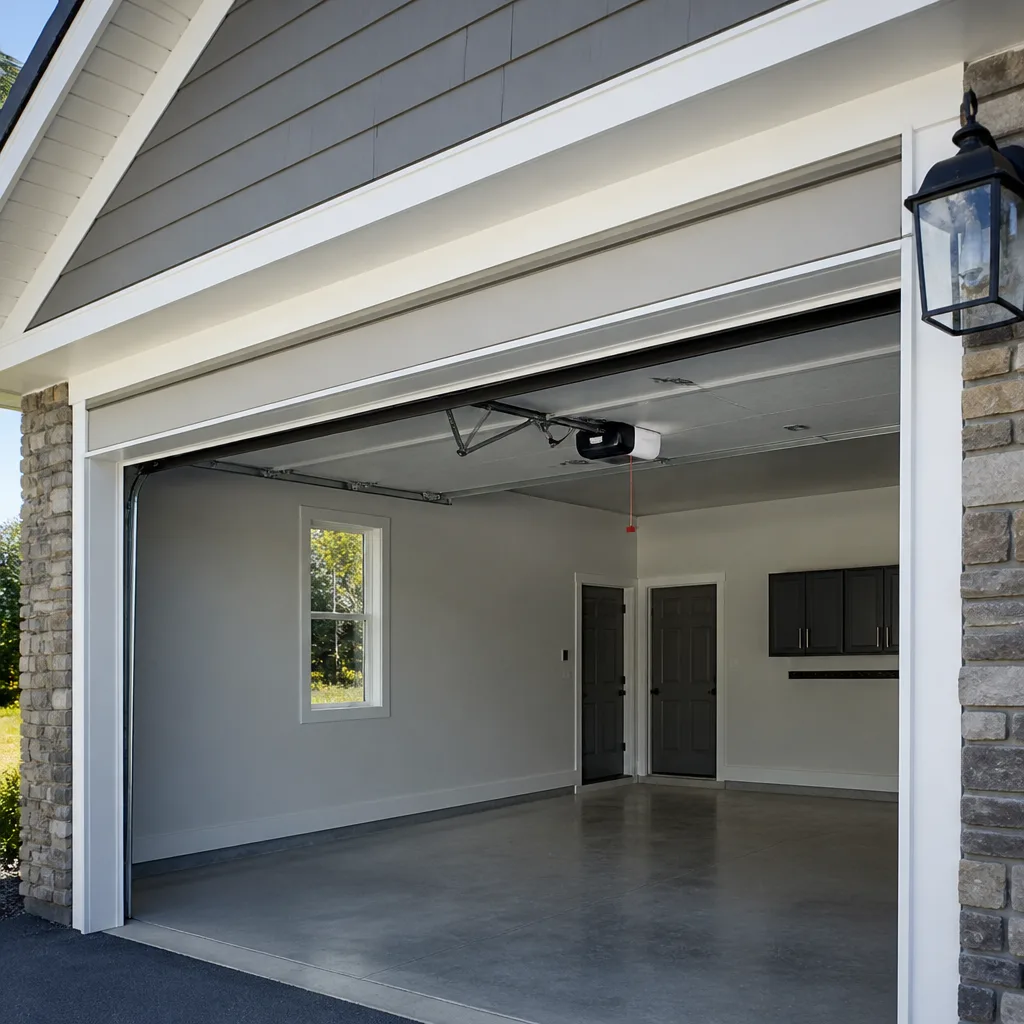 Chamberlain openers
Full 25-point door and opener safety check with every visit - springs, cables, rollers, tracks, and your LiftMaster or Chamberlain opener included
You get a price before we start. It does not change when the pro arrives.
Get your free estimateHow to Hire a Garage Door Contractor in Chesapeake: A Step-by-Step Guide
Virginia does not require a specialty license specifically for garage door installation. That single fact surprises most homeowners in Chesapeake. It means the barrier to hanging out a shingle here is lower than you’d assume, and the usual advice (“check reviews, get three quotes”) doesn’t tell you much about whether the person in your driveway actually knows what they’re doing. What separates a solid contractor from a costly mistake isn’t star ratings. It’s whether their state contractor license is verifiable, whether they’ll name the spring they’re installing, and whether the quote lists parts by brand. This guide walks through all of it, step by step, so you can hire with your eyes open.
Quick Answer
To hire a garage door contractor in Chesapeake, verify the company’s Class A, B, or C contractor license on the Virginia DPOR database, confirm they carry general liability insurance and workers’ compensation, and ask for a written quote that names spring type, part brands, and warranty terms. Avoid any bid that won’t put those details in writing.
Garage door work looks simple from the outside and isn’t. A torsion spring under tension can injure someone badly if it’s handled wrong, and the difference between a $180 spring and a $90 spring is invisible once it’s on the door. That’s exactly why the vetting steps below focus on paper trails and specifics rather than charm.
Styles & brands we work with
- Raised-panel steel
- Carriage house
- Modern flush
- Full-view glass
- LiftMaster openers
- Chamberlain openers
Table of Contents
- What Virginia’s Licensing Structure Actually Requires
- How to Verify a Contractor’s License on DPOR
- The Five Questions to Ask Before Anyone Touches Your Door
- How to Read a Garage Door Quote
- Why “Family-Owned” and “5-Star Rated” Aren’t Insurance
- When the Cheapest Quote Is Actually Right
- Common Mistakes to Avoid
- When to Call a Professional
What Virginia’s Licensing Structure Actually Requires for Garage Door Work
Virginia regulates contractors through the Department of Professional and Occupational Regulation, and the license classes are tied to the dollar value of a single project, not to the type of trade. That’s the piece most homeowners miss. There’s no separate “garage door installer” license in the Commonwealth. A company doing garage door work in Chesapeake holds a general contractor license, classified as Class A, Class B, or Class C.
In broad terms, the classes break down like this:
- Class C covers projects under a lower dollar threshold and requires the least demonstrated experience.
- Class B covers mid-range projects and requires more documented experience and financial standing.
- Class A covers the highest project values and carries the strictest experience and net-worth requirements.
For most residential garage door replacements in Chesapeake, a Class B or Class C license is adequate. But the class matters when you’re looking at a large commercial door or a multi-door property. Ask which class the company holds and whether it matches the size of your job.
What a license does not do is guarantee quality of workmanship. It confirms the company met the state’s baseline for experience and financial responsibility. That’s a floor, not a ceiling. The next section covers how to check it in about two minutes.
How to Verify a Contractor’s License on the DPOR Database
Virginia makes this genuinely easy, and it’s free. The DPOR license lookup is a public database, and you can search by the company name or license number. Here’s the sequence:
- Ask for the license number in writing, by text or email. A legitimate Chesapeake company will send it without hesitation.
- Go to the DPOR website and open the license lookup tool.
- Search by license number, not just by name, since similar names exist. Confirm the name on the record matches the name on your quote.
- Check the status. “Current” or “Active” is what you want. “Expired,” “Suspended,” or “Revoked” ends the conversation.
- Check the classification and the expiration date. A Class C license on a large commercial job is a mismatch. An expiration date next month is worth a question.
If the company can’t produce a license number, or the number doesn’t come up, that’s your answer. It’s not a gray area. Every legitimate contractor in Chesapeake is listed if they’re licensed, and the lookup takes less time than reading a single review.
One more thing: the DPOR record shows the business entity, not individual technicians. That’s normal. What you’re confirming is that the business is licensed to contract work in Virginia, which is what protects you if something goes wrong.
The Five Questions to Ask Before Anyone Touches Your Door
These are the questions that separate a contractor who knows the trade from one who’s guessing. Ask them before scheduling, not after the door is apart.
- “What type of spring is on my door, and what are you replacing it with?” Torsion and extension springs are different animals, and within torsion springs there are different wire gauges and cycle ratings. A contractor who can’t tell you the type and cycle life before arriving is working blind.
- “Which brand of parts are you installing?” Springs, rollers, hinges, and openers all come in house-brand and name-brand versions. A legitimate bid names the brand. Clopay and Amarr doors, for instance, have specific part compatibility, and a contractor who works across brands will tell you what fits.
- “What’s the warranty, and what does it cover?” Ask separately about the part warranty, the labor warranty, and whether the labor warranty is prorated. Get it in the quote.
- “Will the same company do the work, or is any of it subcontracted?” Subcontracting isn’t automatically bad, but you should know. If the person quoting isn’t the person installing, the quote means less.
- “Is the price quoted firm, or is it an estimate subject to change once the door is opened?” Some jobs genuinely reveal surprises, like a bent track behind the door panel. A good contractor explains the likely range up front and confirms any change with you before proceeding.
Write the answers down. If two contractors give you wildly different answers to question one, you’ve just learned something useful.
How to Read a Garage Door Quote
A garage door quote is a short document, and the difference between a legitimate bid and a lowball lives in the line items. Here’s what to look for.
- Parts listed by brand and specification. “Torsion spring, pair” is vague. “Torsion spring, pair, [brand], [cycle rating]” is a real line item. If the parts aren’t named, the contractor has room to substitute.
- Labor broken out separately from parts. This isn’t always done, but when it is, you can see where the money goes and compare apples to apples between bids.
- Disposal and haul-away listed. Old doors and springs need to leave your property. A quote that doesn’t mention removal may add it later.
- Warranty terms spelled out. Part warranty and labor warranty, in plain language, with the duration stated.
- Permit responsibility stated. Most cities require a permit for structural or electrical work tied to a door replacement. Ask your city’s building department whether your job needs one, and confirm in the quote who pulls it.
- A firm price or a clearly stated range. “Estimate” with no range is a red flag. So is a price so far below the others that it doesn’t add up.
A lowball quote usually saves money in one of three places: an undersized spring that fails early, an off-brand opener with no local parts support, or labor that skips the tune-up steps. None of those show up on the invoice. They show up six months later. On any garage door repair job in Chesapeake, the written estimate sets the final price, so get the specifics before anyone starts.
Why “Family-Owned” and “5-Star Rated” Aren’t Insurance
A family-owned business can still be uninsured. A five-star average can still hide a claim that was never paid. Reviews tell you how a job went on a good day; insurance tells you what happens on a bad one. For a trade that involves heavy doors, tensioned springs, and electrical openers, the second matters more.
Here’s what to ask for, and what each document protects:
- Certificate of general liability insurance. This covers damage to your property, like a door that comes off its track and takes out a car. Ask for the certificate and confirm the coverage is current.
- Workers’ compensation coverage. If a technician is injured on your property, workers’ comp is what keeps that from becoming your problem. Ask for the certificate.
- Verification, not just a promise. A certificate of insurance is a document, and you can call the insurer listed on it to confirm it’s active. Some homeowners skip this step. Don’t.
In our experience, the contractors who hand over insurance certificates without being asked are also the ones who put part specifications in writing. The habits travel together. A company that won’t show you a certificate is telling you something about how it handles everything else. We work on your brand, whatever it is, and we’d rather show you the paperwork than talk about it.
When the Cheapest Quote Is Actually Right
There is one situation where the low bid is the correct choice: a straightforward repair with no structural implications, on a door that’s in otherwise good shape, where the cheap quote still names the parts and carries a written warranty. A squeaky hinge, a misaligned roller, an opener that needs a new remote programmed. Those jobs have very little room for cutting corners, and paying a premium for a small repair doesn’t buy you anything.
How to identify it:
- The quote names the part and brand, even for a small job.
- The company is licensed and insured, verifiable on the DPOR database.
- The warranty is in writing, even if it’s short.
- The scope is small and the diagnosis is clear, with no “we’ll see once we open it up” language.
Where the cheap quote fails is on the jobs that matter: spring replacement, opener replacement, and full door installation. Those are the jobs where an undersized part or a skipped step costs more later. On a garage door installation, the door is a 15-to-20-year purchase, and the difference between a properly rated spring and a cheap one is a second spring replacement you didn’t budget for. Pay attention to what’s behind the number, not the number itself.
Common Mistakes to Avoid
- Hiring on price alone. The lowest number is often a bid on undersized springs or off-brand parts that fail ahead of schedule. The invoice you pay twice is the cheap one.
- Not checking the DPOR record. It takes two minutes and it’s free. Skipping it is the single most common error we see from Chesapeake homeowners, and it’s the one that matters most.
- Accepting a verbal quote. If it isn’t in writing, with parts and warranty, it doesn’t count. Verbal promises are hard to enforce when a spring fails early.
- Assuming a “brand-certified” claim is verifiable. Ask which brands the technician actually works on. A company that only handles one brand has an incentive to steer you toward it.
- Paying a large deposit upfront on a small repair. Deposits make sense on installations and special orders. On a repair, they usually don’t.
- Skipping the insurance certificate. A contractor injured on your property without workers’ comp can turn into your liability. Ask for the certificate.
- Ignoring a mismatched door and opener brand. An opener that’s underpowered for the door weight will wear out fast, and nobody mentions it until it does.
When to Call a Professional
Some garage door problems are genuinely DIY territory: a misaligned photo-eye, a remote that needs reprogramming, a track that’s slightly loose. Most aren’t. If you hear a loud bang from the garage and the door won’t lift, that’s a spring, and springs are not a DIY repair. Torsion and extension springs store enormous energy, and releasing that energy wrong can cause serious injury. The same goes for a door that’s off its track, a cable that’s snapped, or an opener that sounds strained under load.
Garage Door Repair Chesapeake Pros offers free estimates in Chesapeake. Our technicians have up to 8 years of experience and work with LiftMaster, Chamberlain, Genie, Clopay, Amarr, Wayne Dalton, Craftsman, and Raynor systems, so we diagnose and repair what’s actually on your door. Call (877) 745-2212 to schedule a free estimate.
See the difference
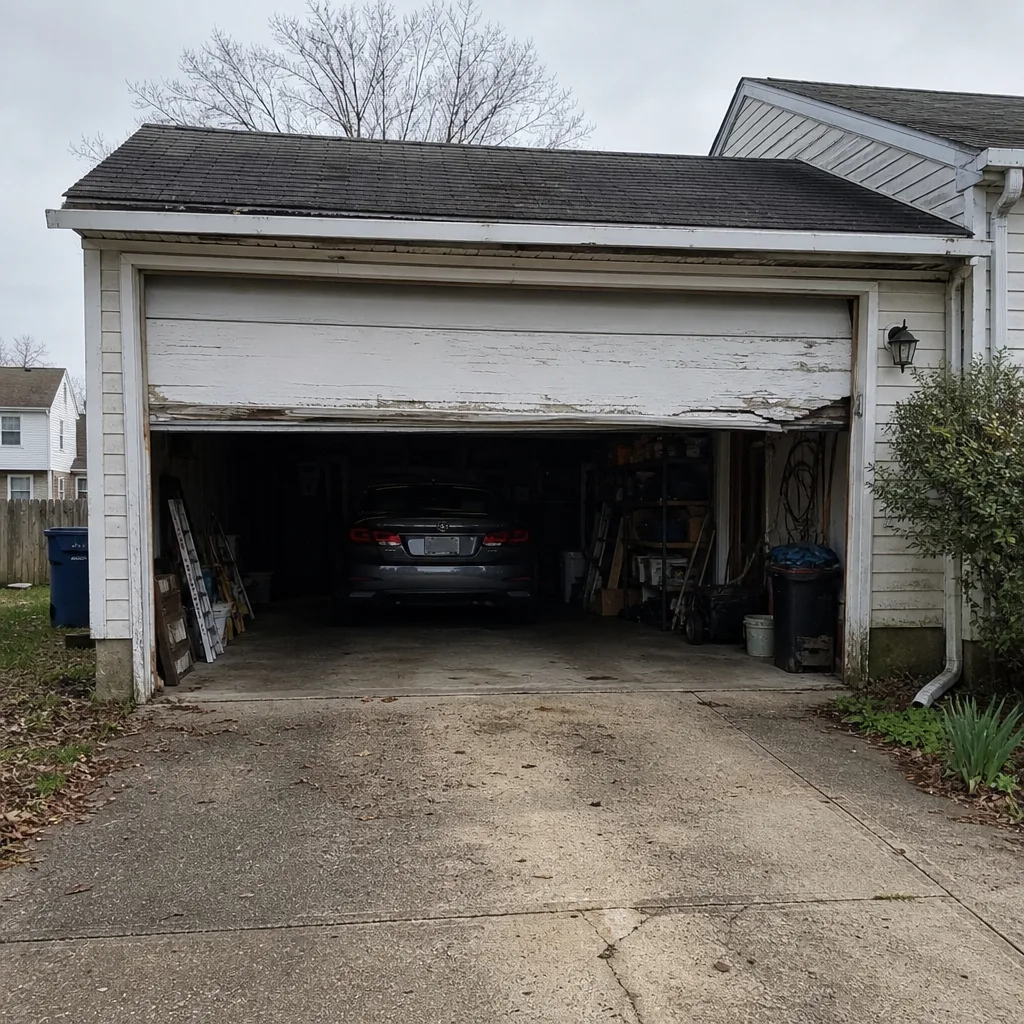 Before
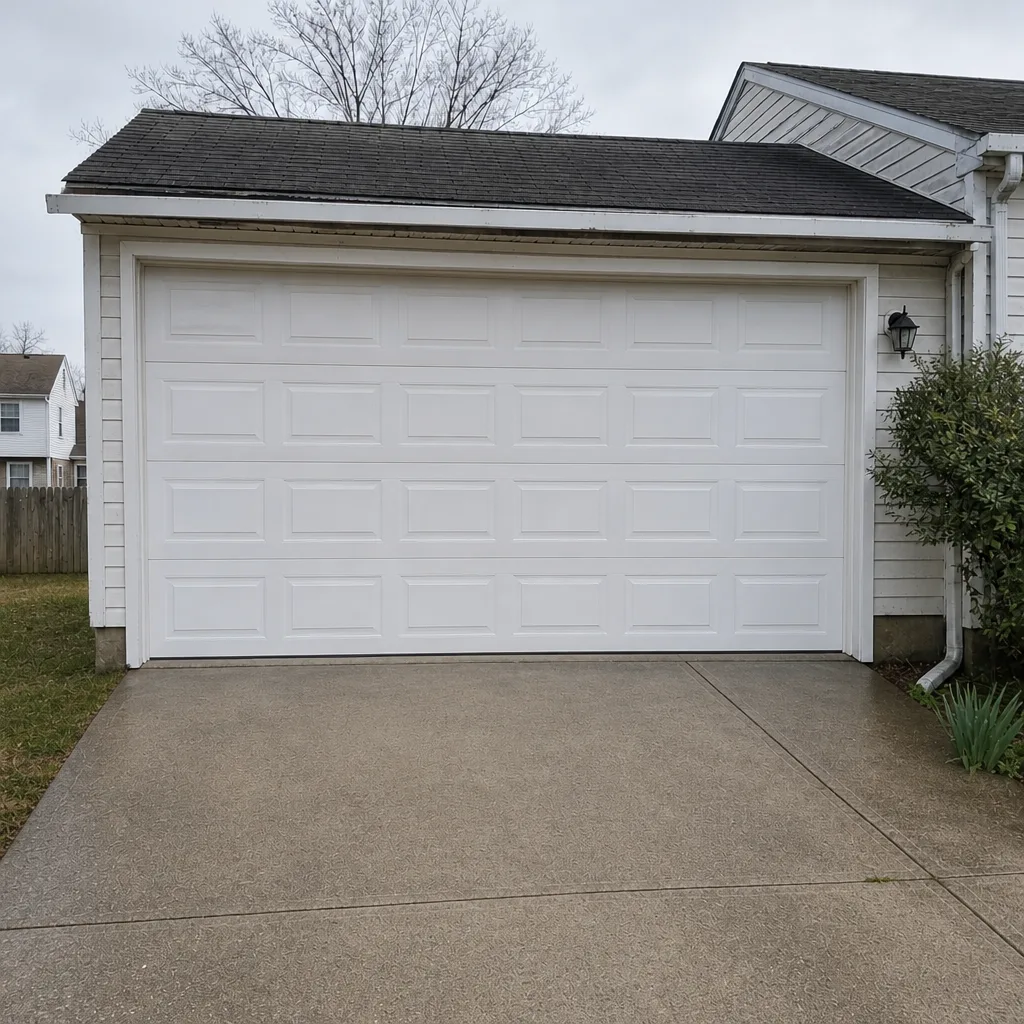 After
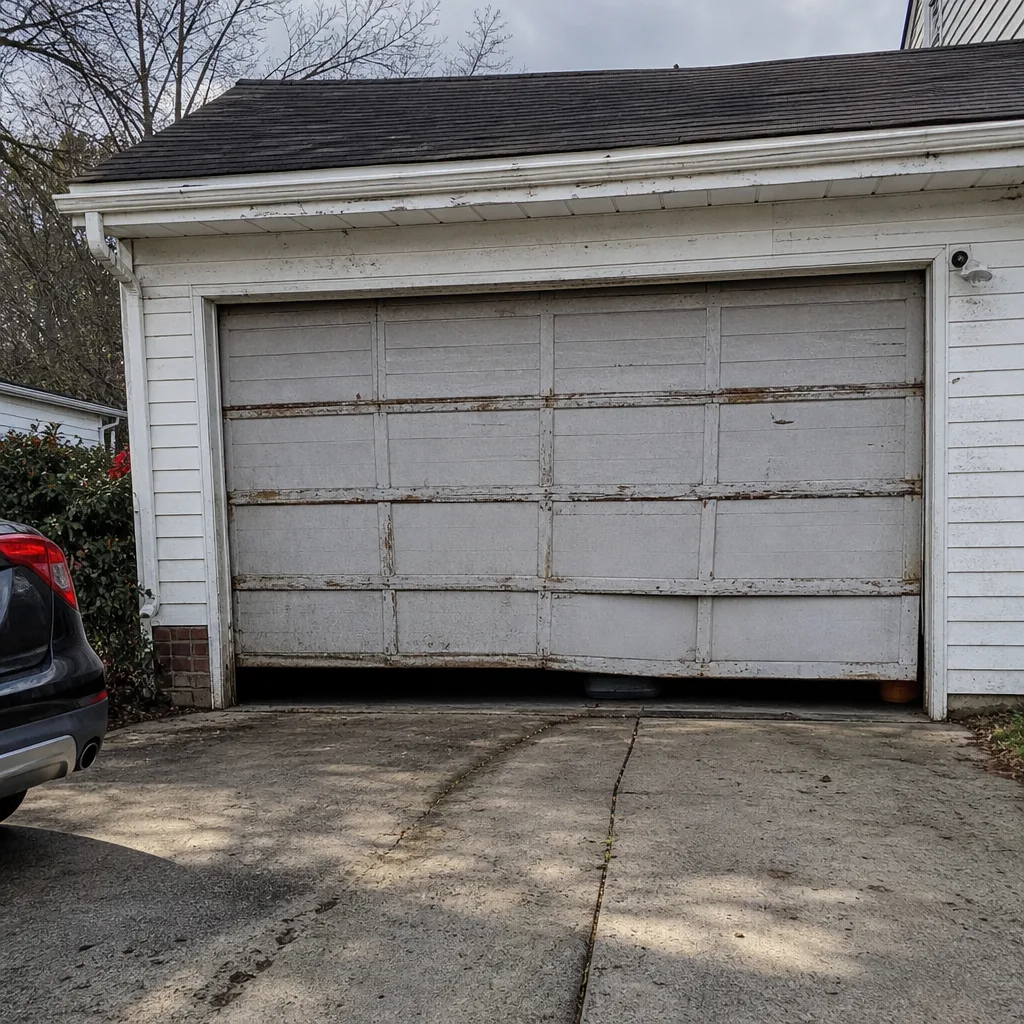 Before
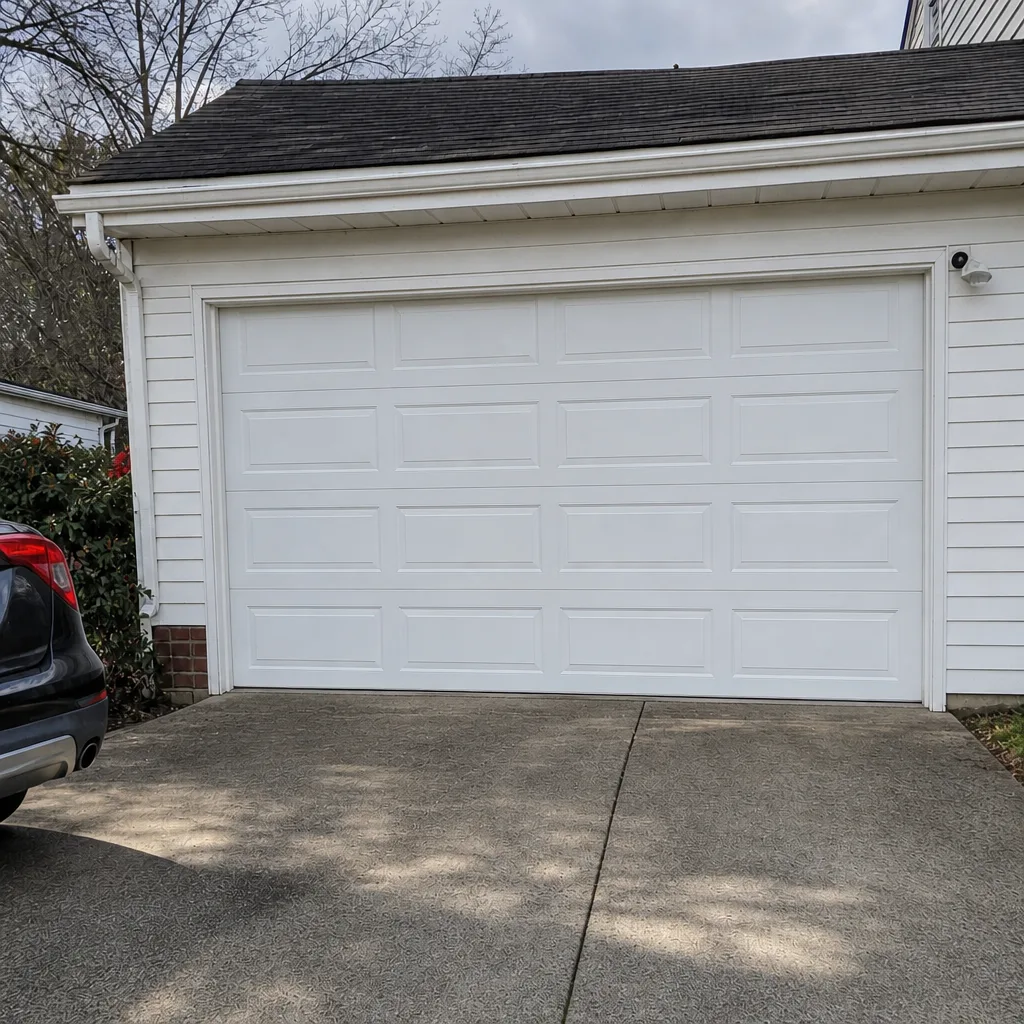 After
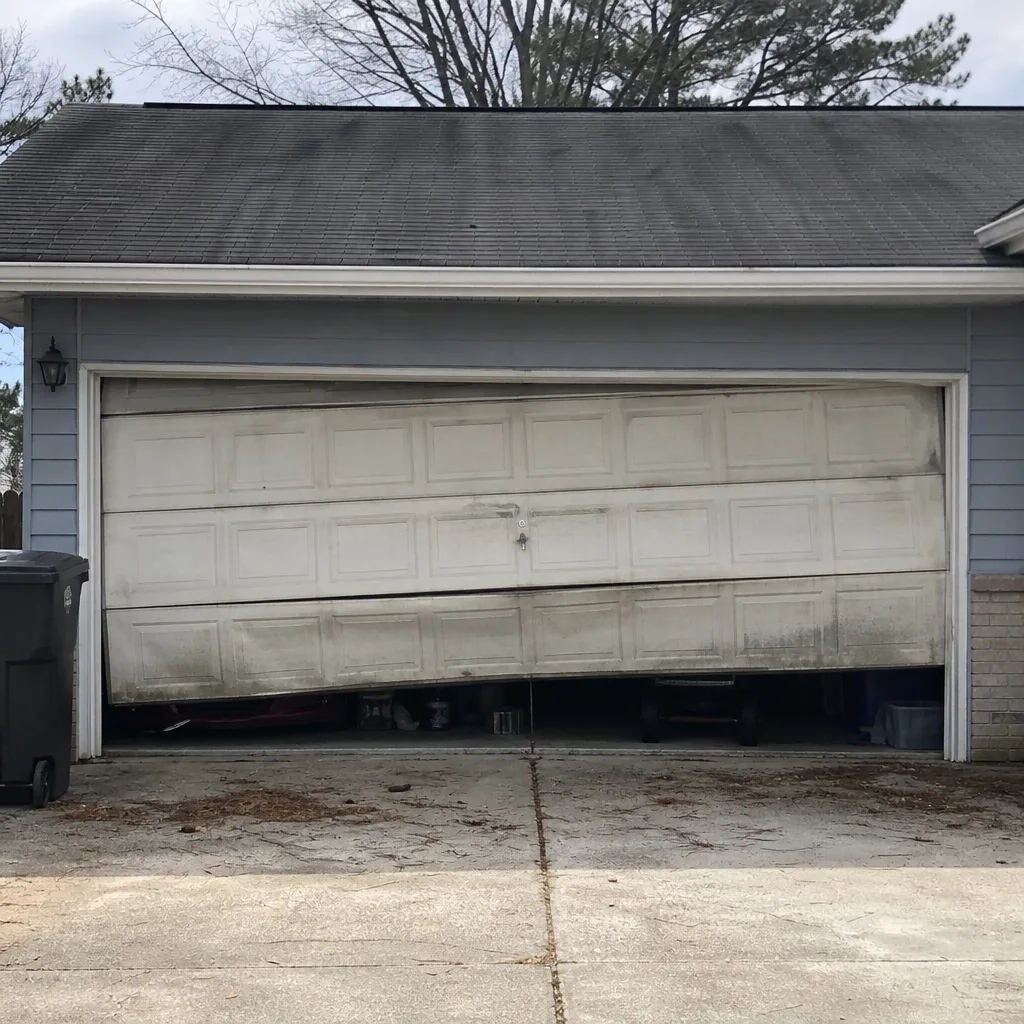 Before
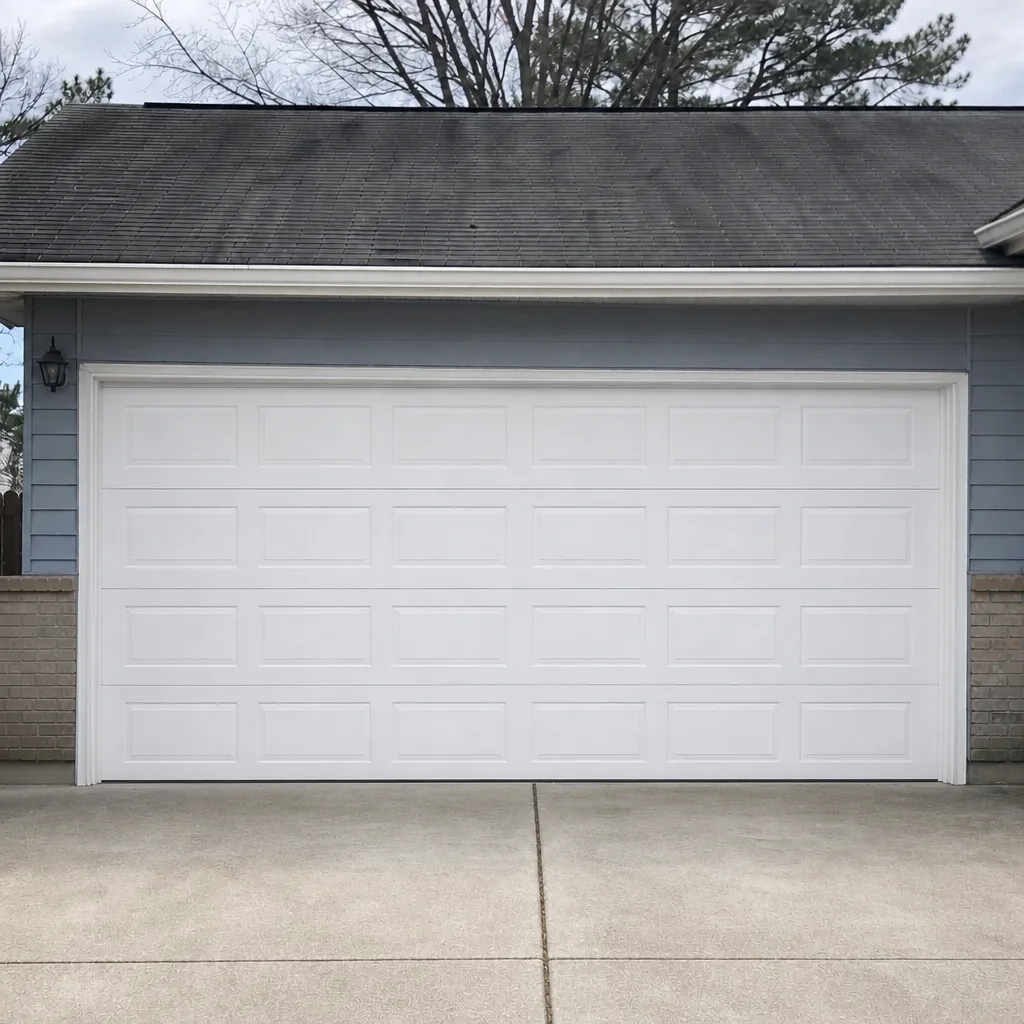 After
Frequently Asked Questions
Spring repair in Chesapeake typically runs in the range of a few hundred dollars per spring, and a matched pair is usually replaced together, so a pair costs about twice the single-spring price. The written estimate sets the final price before any work begins. Call (877) 745-2212 for a free estimate.
No. Virginia does not issue a specialty license for garage door work. Companies doing this work in Chesapeake hold a general contractor Class A, B, or C license, which you can verify by license number on the DPOR database.
Not without your agreement. We quote and confirm the price before any work starts, so the number you agree to is the number you pay. If a hidden problem turns up, like a bent track behind a panel, we explain it and get your approval before proceeding. Call (877) 745-2212 for a free estimate.
Often yes. Spring failures are one of the most common calls we get, and we offer emergency garage door service in Chesapeake for doors that are stuck open or jammed shut. Call (877) 745-2212 and we’ll tell you the soonest available window.
Ask for the brand name of the springs, rollers, and opener being installed, and make sure it’s in the written quote. Brand-specific parts matter for compatibility with doors like Clopay and Amarr, and for whether local parts support exists down the road.
The local pro is licensed and insured as Virginia requires, and we can provide documentation on request. Before hiring any garage door contractor in Chesapeake, ask for the DPOR license number and a certificate of insurance, and confirm both are current. Call (877) 745-2212 for a free estimate.
The Bottom Line
Hiring a garage door contractor in Chesapeake comes down to paperwork and specifics. Verify the license on the DPOR database, ask for the insurance certificate, and require a written quote that names the spring type, the part brands, and the warranty. “Family-owned” and “five-star” are not substitutes for those documents. The cheapest bid is sometimes right, but only on small jobs with a clear diagnosis and named parts. On spring replacement and full installations, what’s behind the number matters more than the number. When you’re ready for a free estimate, call (877) 745-2212. Whether it’s a broken spring, a stubborn opener, or a new door, one call handles the full job.
Written by the team at Garage Door Repair Chesapeake Pros.