Last updated November 21, 2026
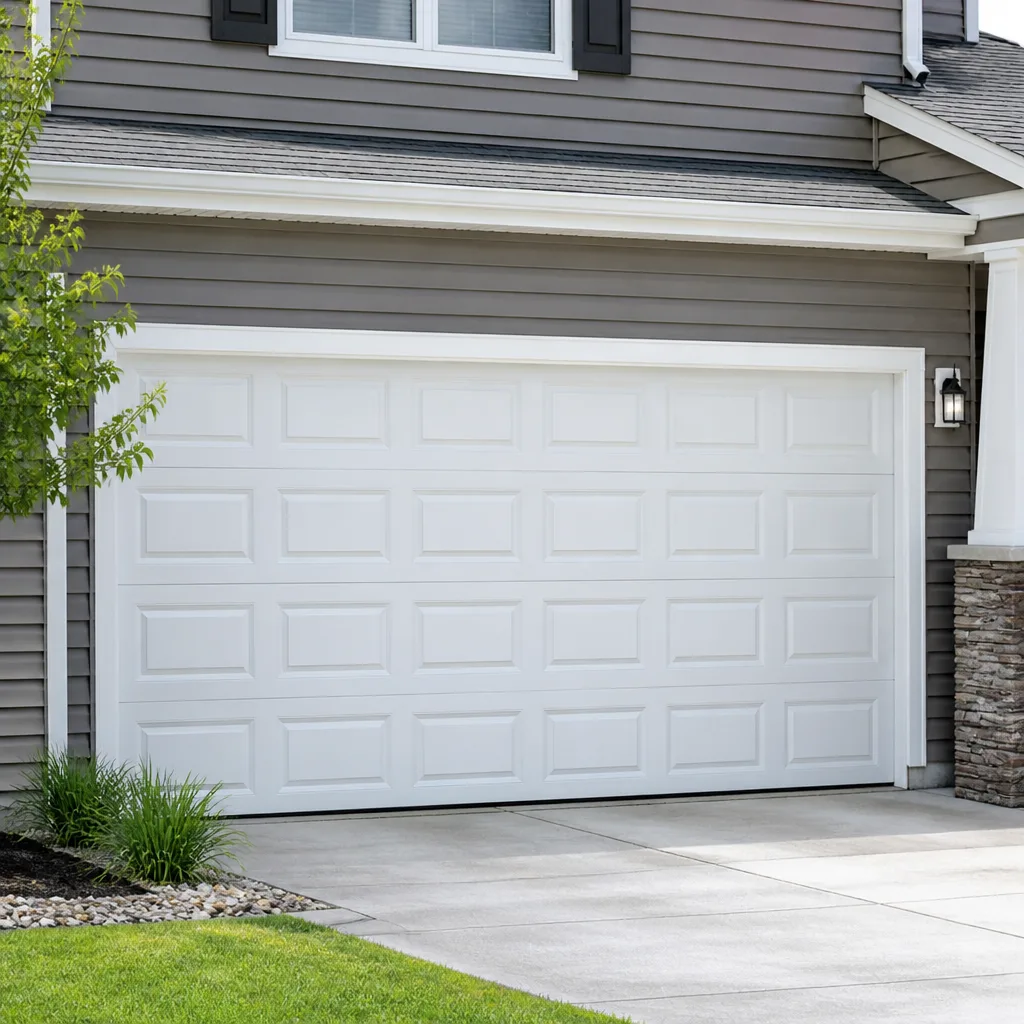 Raised-panel steel
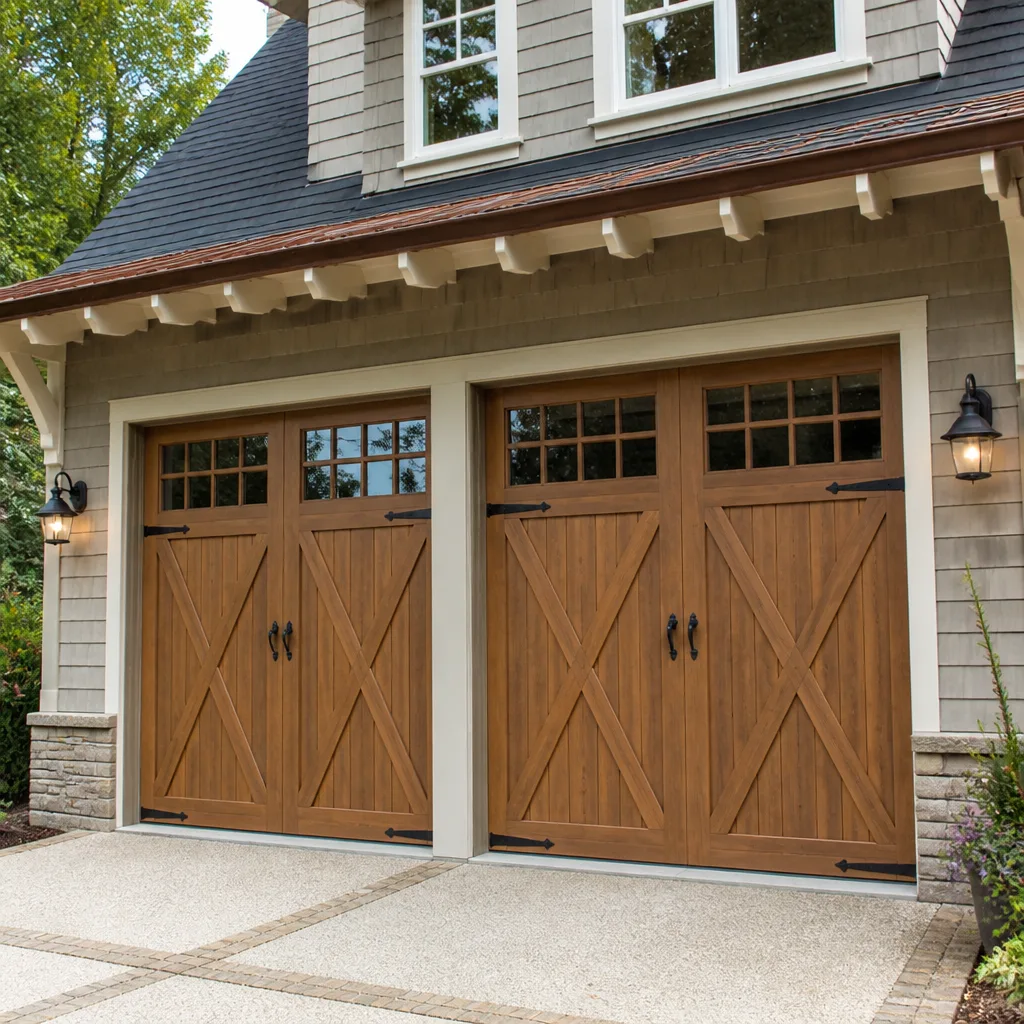 Carriage house
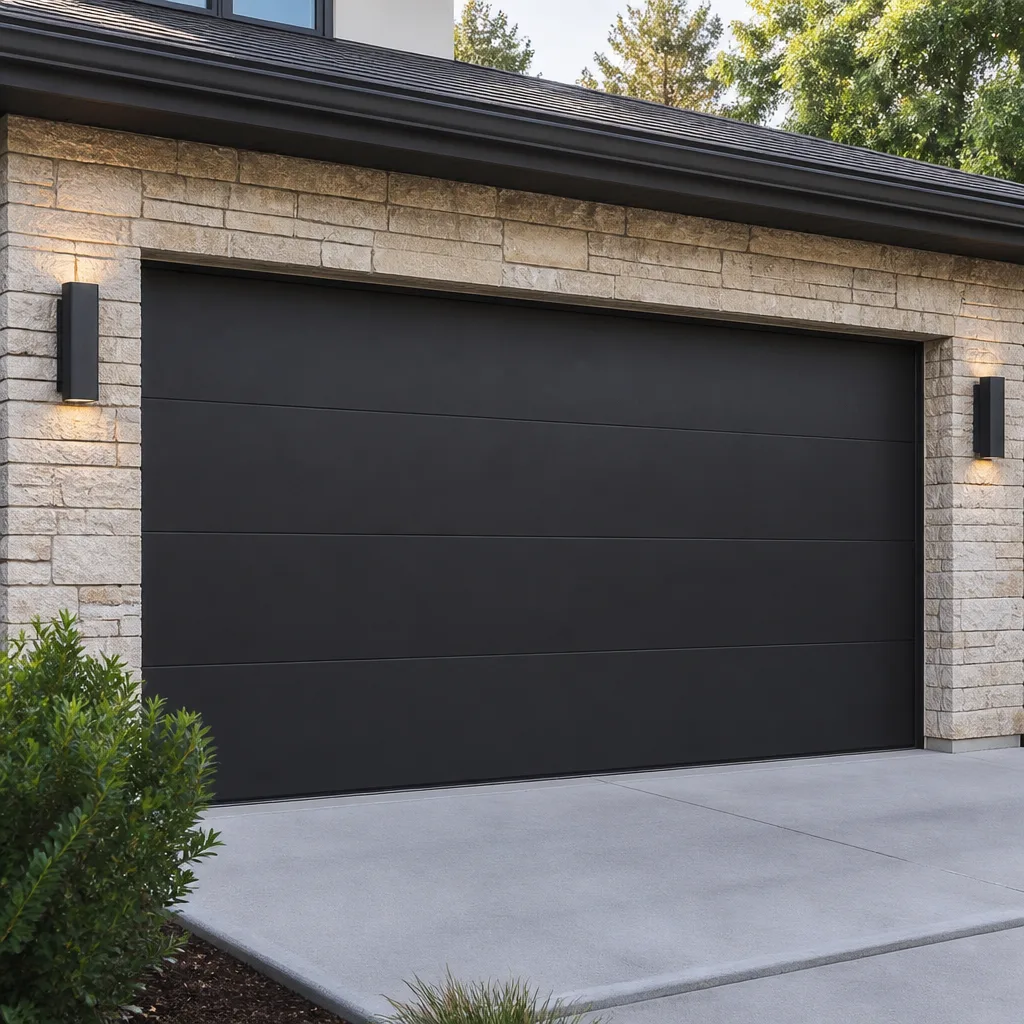 Modern flush
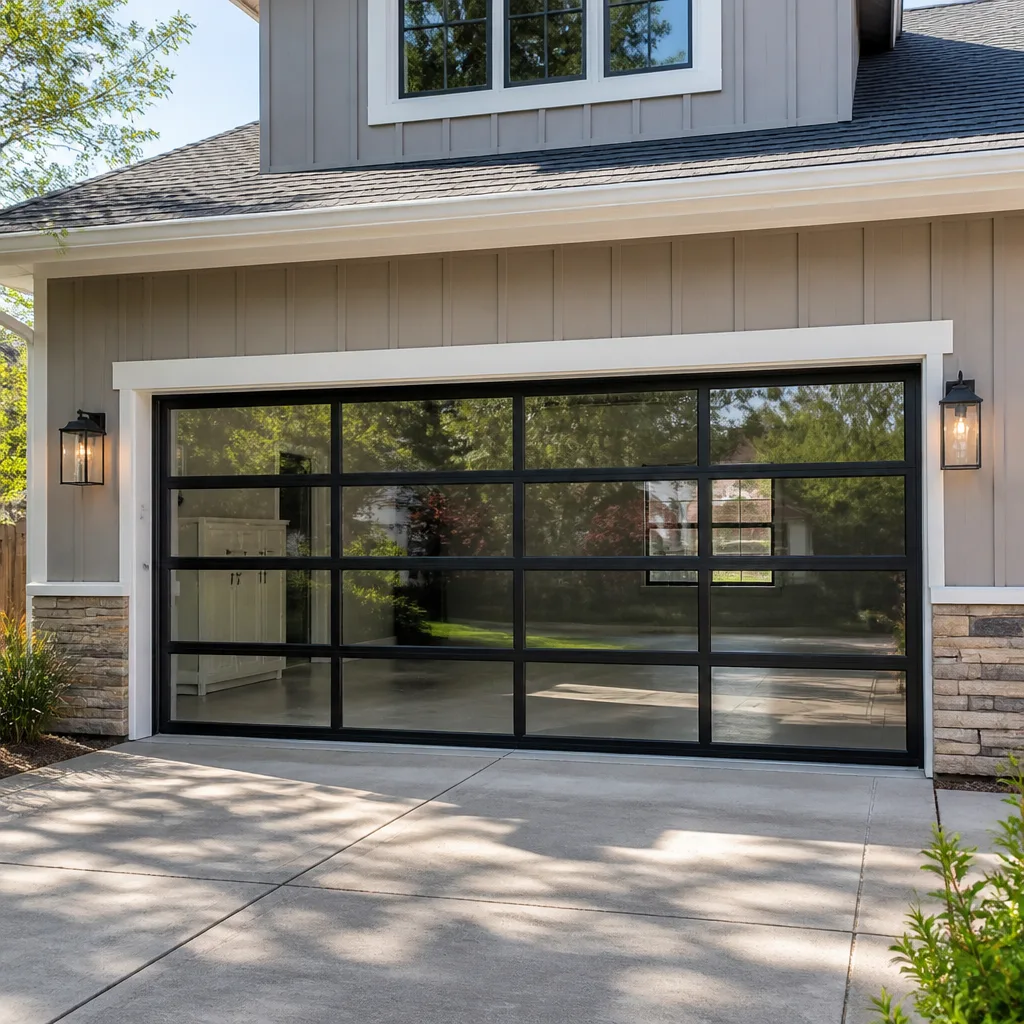 Full-view glass
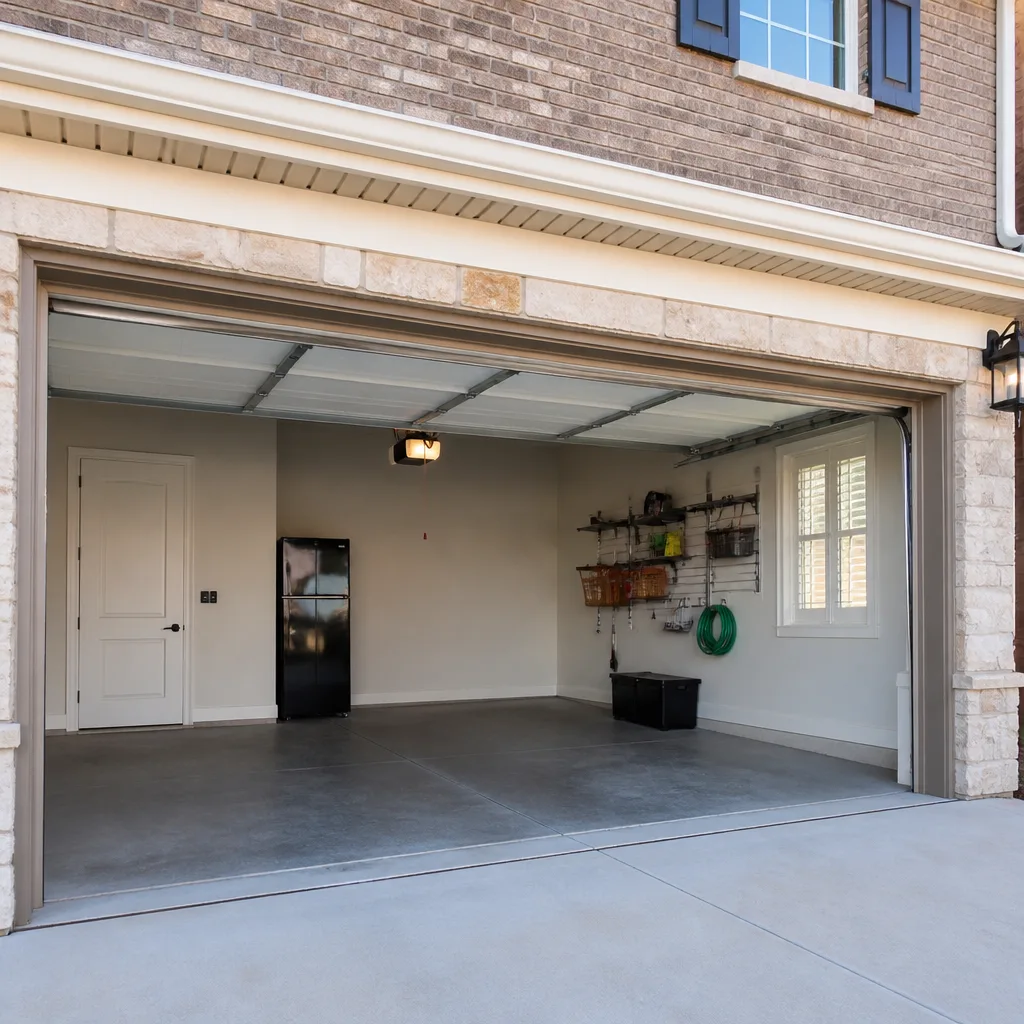 LiftMaster openers
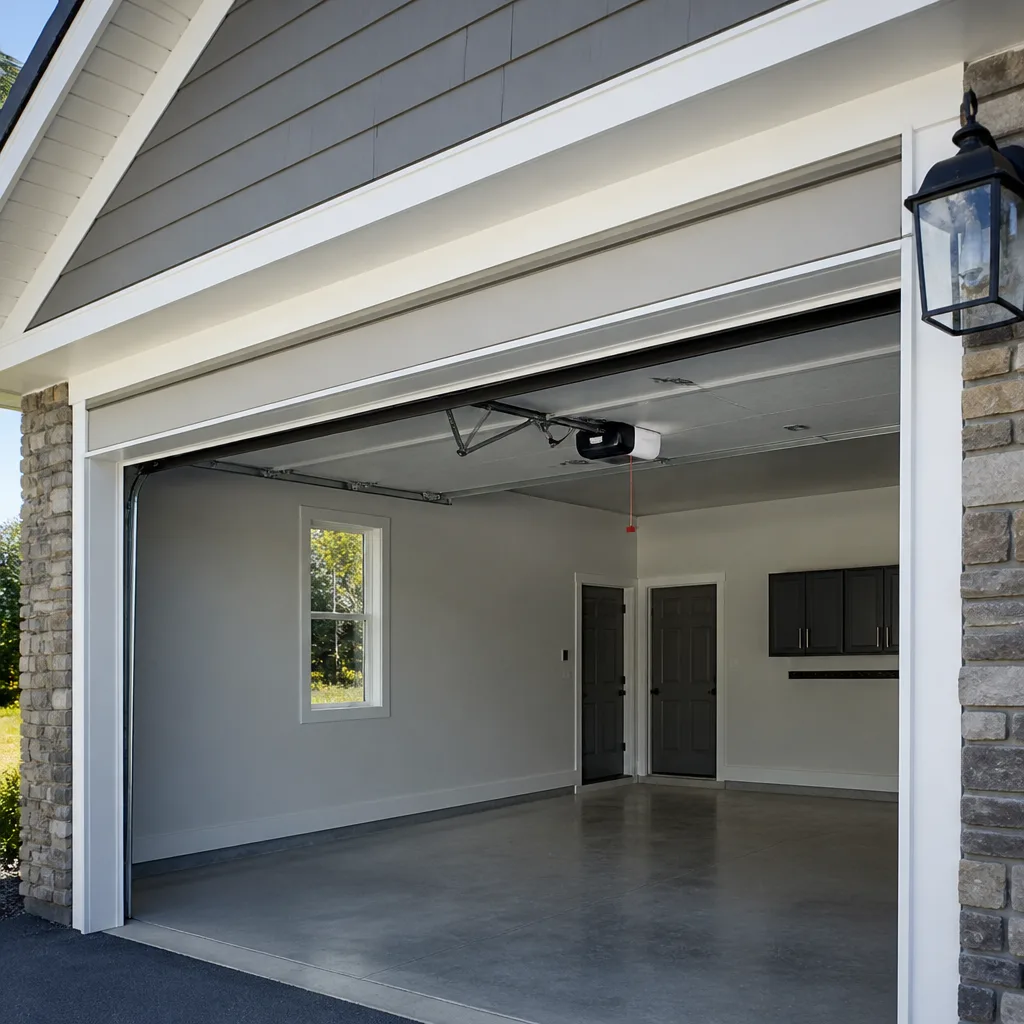 Chamberlain openers
Full 25-point door and opener safety check with every visit - springs, cables, rollers, tracks, and your LiftMaster or Chamberlain opener included
You get a price before we start. It does not change when the pro arrives.
Get your free estimateSeasonal Garage Door Care for Chesapeake: Year-Round Homeowner’s Guide
Chesapeake’s winters are short, but they’re not gentle. A single ice storm can freeze a door to the ground, crack brittle weatherstripping, and snap a cold-stiffened cable. The fix takes 15 minutes in November. It takes a service call in January. That’s the counterintuitive truth about living here: our garage doors don’t fail in the season you’d expect. They fail in the transition weeks, when a warm, humid afternoon collapses into a freezing night and the rubber seals, cables, and springs never get a chance to adjust. This guide walks through Chesapeake’s real seasonal stress points month by month, so you can stay ahead of the repairs instead of chasing them.
Styles & brands we work with
- Raised-panel steel
- Carriage house
- Modern flush
- Full-view glass
- LiftMaster openers
- Chamberlain openers
Quick Answer
Seasonal garage door care in Chesapeake means checking seals, tracks, springs, and opener hardware four times a year, with the heaviest attention paid to early spring humidity, prolonged summer heat, September hurricane prep, and January ice. Most problems – sticking doors, strained openers, cracked bottom seals – start small and can be caught with a 15-minute inspection at the start of each season.
Table of Contents
- Why Chesapeake’s Climate Is Hard on Garage Doors
- The Month-by-Month Care Calendar
- Spring: Humidity, Warping, and the Roller Check
- Summer: Heat, Torsion Tension, and Opener Strain
- Hurricane Prep: Bracing, Release Testing, and Wind Load
- Winter: Freeze-Thaw Cycles and Weatherstripping
- Safe Restart After a Storm or Power Outage
- Common Mistakes to Avoid
- When to Call a Professional
- Frequently Asked Questions
Why Chesapeake’s Climate Is Hard on Garage Doors
Chesapeake doesn’t follow the four-season pattern that most garage door maintenance advice assumes. Our winters are brief but cold enough to snap rubber and freeze a bottom seal to a concrete slab. Our summers run long, hot, and humid. And the swing between seasons is where the real damage happens: a humid 80-degree afternoon followed by a 28-degree night creates a condensation-freeze-condensation loop that batters seals, lubricant, and any painted steel on the door.
If you’ve ever noticed your door creeping slower in July or grinding in February, you’re not imagining it. Steel panels expand in heat and contract in cold. Rubber seals harden. Springs lose a fraction of tension with every thermal cycle. Wood components – on older doors, especially – swell and shrink. A door that works perfectly in December might groan by June and jam by October, and the biggest mistake homeowners make is treating each symptom as a standalone problem instead of a seasonal pattern.
That’s why a care calendar built around Chesapeake’s actual weather beats generic “check your door twice a year” advice every time. The failures cluster here. We’ve seen how the same pattern plays out across neighborhoods from Great Bridge to Greenbrier, and it’s the reason a fall tune-up matters so much in a city where a January ice storm can arrive before you’ve dealt with October’s humidity. If you want the repair side of this mapped end to end, our garage door repair hub covers what’s fixable and what isn’t.
The Month-by-Month Care Calendar
A practical Chesapeake care year starts in March and resets each January. The idea is to put the small 15-minute tasks in front of the seasonal events that would otherwise turn them into 90-minute repair calls. Here’s how we lay it out:
- March: Inspect the bottom seal for winter cracking, wipe and re-lubricate rollers and hinges, test the opener’s force and travel limits.
- April-May: Check track alignment after the first humid warm-up; look for condensation on the door’s interior face and any paint bubbling near the bottom panel.
- June: Test the manual release during cooler morning hours, tighten every bracket bolt, and confirm that the opener housing isn’t getting hot to the touch.
- July-August: Listen for opener motor strain during the hottest weeks; sweep and clear debris from the tracks; check that the door isn’t warping along dark-colored steel panels.
- September: Full hurricane prep checklist (see below), including manual release test, bracing review, and photo documentation of the door’s condition.
- October-November: Prep for freeze-thaw: replace ailing weatherstripping, treat the bottom seal, test the door’s balance by hand.
- December: Final visual inspection of hardware and hinges before the coldest weeks.
- January-February: Watch for ice binding at the threshold; never force a frozen door; listen for new noises after each freeze-thaw swing.
Every one of these tasks is something a homeowner can do without tools beyond a screwdriver and a can of garage door lubricant. The goal isn’t to replace a technician’s visit – it’s to make one unnecessary most years. When the small stuff gets done, the big stuff stays hypothetical.
Spring: Humidity, Warping, and the Roller Check
Spring in Chesapeake arrives as a humidity spike more than a temperature jump. That’s actually harder on the door. Every seam, every hinge pin, and every steel track edge absorbs the moisture, and the door starts to bind before you’ve even noticed the weather change. Wood doors on older homes around Great Bridge take on visible swelling; steel doors on newer builds in Greenbrier show condensation on the interior face after warm, rainy afternoons.
The spring checklist that actually matters here:
- Rollers: Nylon rollers can develop a flat spot; steel rollers can score and start grinding. Spin each one by hand with the door closed, then again with the door open to a mid-point.
- Hinges: A couple drops of white lithium or silicone-based lubricant – not WD-40 – on each hinge pin makes a real difference in humidity.
- Track alignment: Run your hand along the inside of each vertical track. Any rough spot or loose bolt is a track issue waiting to strand the door.
- Paint or finish: Touch up any chipped paint on the bottom panel before the humid months; once moisture gets under the finish, rust follows.
- Opener travel: Test the auto-reverse by laying a piece of wood flat in the door’s path. It should reverse without resistance.
Doors on Amarr and Clopay steel panel systems tend to hold up well in this humidity, but only when the hardware is lubricated and the seals are intact. A Raynor or Wayne Dalton door you haven’t touched since last spring is worth a look right now, before the first really muggy stretch. If the opener starts hesitating or reversing for no clear reason, that’s usually humidity-related sensor drift rather than a failing unit – garage door opener repair is the right next step if a reset doesn’t fix it.
Summer: Heat, Torsion Tension, and Opener Strain
Prolonged summer heat is the second-biggest stressor on a Chesapeake garage door, and it shows up in three places: the torsion springs, the opener motor, and any dark-colored steel panel facing west or south.
Torsion springs. Steel springs are rated by cycle count, not by years, and every thermal cycle uses up a sliver of that count. A long, hot summer effectively adds cycles a door never asked for. As the metal expands in extreme heat, the spring tension shifts slightly and the door may creep downward from a “fully open” position, or feel heavier than usual when you lift it by hand. Neither symptom means the spring is about to break, but both mean the spring deserves an inspection.
Opener motors. An opener in a hot garage runs hotter than the manufacturer designed it for, and heat buildup shortens motor life. If your opener feels warm after a normal cycle and the door is balanced, check that nothing is blocking airflow in the garage. The single best thing you can do for a LiftMaster, Chamberlain, Genie, or Craftsman opener in July and August is to leave the garage door open for a few minutes after each cycle so the heat dissipates.
Steel panel warping. Dark-colored steel panels on a south- or west-facing door can warp at the seams in sustained heat. You’ll notice a small ripple in the panel’s surface or a corner that no longer sits flush. This isn’t a safety issue, but it does create gaps that let in water during hurricane season, which we’ll get to next.
Any of these problems can be repaired, and none of them require replacing the door. Scheduling garage door repair in Chesapeake in the cooler morning hours – when the door runs coolest – is often the easiest way to isolate which component is actually failing.
Hurricane Prep: Bracing, Release Testing, and Wind Load
A September hurricane checklist is non-negotiable for a Chesapeake homeowner, and the garage door is the single most important structural opening to close up before a storm makes landfall. A standard residential door rated for a Category 1 wind load is designed to resist sustained winds of roughly 74-95 mph – which is exactly the range of a minimal hurricane, so it’s right at the edge of what your door can handle without additional support. Anything above that requires either hurricane-rated hardware or retrofitted bracing.
Here’s what to do in the two weeks before the season peaks:
- Test the manual release. Pull the red cord with the door closed and confirm the door can be lifted smoothly by hand and lowered without dropping. If it slams or won’t budge, the springs or cables need attention now, not during a storm.
- Inspect for loose hardware. Every bracket, hinge, and bolt holding the door to the track should be snug. A Category 1 wind can find a single loose bolt and turn it into a panel departure.
- Check the bottom seal. A warped or missing bottom seal lets wind-driven rain into the garage during the pre-landfall downpour – usually the first thing to flood a low garage slab.
- Consider a bracing kit. Vertical bracing is available for most Clopay, Amarr, and Wayne Dalton residential doors. If you’re unsure whether your door is designed for it, ask before you buy – some panels aren’t rated for retrofit bracing.
- Document the door’s condition. Photos of every panel and the track system before the storm make post-storm damage assessment far easier.
- Disconnect the opener before landfall. A power surge during the storm can fry the opener’s control board; unplugging and using the manual release is the safer move.
If your door is old, steel-paneled, and hasn’t been inspected in years, hurricane season is the right moment to have it checked. We work on the major brands you’re likely to own, so a pre-storm inspection doesn’t require you to hunt down a specialist. If your door needs replacing before the season, garage door installation is what you’re looking at – and this kind of project needs to be measured, ordered, and scheduled, not rushed the week before landfall.
Winter: Freeze-Thaw Cycles and Weatherstripping
Chesapeake’s winters are short but they’re built around freeze-thaw cycles rather than a long, steady cold. That pattern is worse for a garage door than a deep freeze, because the rubber and the springs never get a chance to stay consistent. The bottom seal freezes to the concrete slab overnight, the door lifts a millimeter off it during the day, and water gets underneath. Then the next freeze grabs it harder.
The winter prep checklist that keeps you out of trouble:
- Weatherstripping: Check the perimeter seal around the door’s sides and top. Any crack, tear, or hardened section should be replaced before the first hard freeze. Cracking weatherstripping lets in cold air and, more importantly, water that refreezes and expands the gap further.
- Bottom seal: A vinyl or rubber bottom seal that has hardened is the first casualty of a Chesapeake January. If it feels brittle to the touch, replace it now – not after an ice storm glues it to the slab.
- Threshold protection: If your driveway slopes toward the door, water pools at the threshold and refreezes into a rink. Treating the slab’s edge with an ice-melt product labeled safe for concrete – not rock salt – reduces ice binding overnight.
- Cables and springs: Cold metal is brittle metal. A cold-stiffened cable under stress can snap, and it typically fails at the least convenient moment. Have the cables inspected in November if the door has seen a lot of summers.
- Weatherstripping on the opener track: A small strip of insulation between the opener’s rail and the ceiling does more than you’d think for cold-garage noise – the metal transfers cold through the bracket otherwise.
If you find your door frozen to the ground, do not force the opener. Use the manual release to disengage the door, gently break the ice with a plastic scraper from the outside, and lift by hand. If the door still won’t move, the issue is likely a frozen cable or a spring that’s given up in the cold, and that’s a call we’d make today rather than tomorrow.
Safe Restart After a Storm or Power Outage
The hours after a named storm or a multi-day power outage are the most dangerous time to run a garage door. Everything looks normal, but the springs, cables, and sensors may have shifted, and the opener’s logic board may have taken a surge. Restart in this order:
- Visual inspection first. Look at the door from outside and inside. Are any panels bent? Is the track misaligned? Is the door off its rollers? If yes to any of these, stop and call a professional. Don’t cycle the door.
- Clear the opening. Anything that fell during the storm – debris, limbs, torn flashing – should come out before the door moves.
- Reset the opener. If the power is back and the opener won’t respond, find the reset button or unplug it for 60 seconds. If it powers on but the door doesn’t move, the manual release should be used to test the door by hand.
- Re-check the safety sensors. Both sensors should have a steady (not blinking) LED. Realign them and clean the lenses if either one is dull.
- Test the auto-reverse. Lay a piece of wood flat in the door’s path and cycle the door. It must reverse on contact. If it doesn’t, do not use the door until this is fixed.
- Watch for new noises. A new clicking, grinding, or popping sound after a storm is a flag. Any of them warrants a repair visit before routine use.
If your door was under water or took wind damage during the storm, don’t cycle it at all – call for repair. A single quiet conversation at the door can save you a much bigger problem later. Emergency garage door service is a core part of what we do, and being able to call on the same day you need us is exactly the point of having a service number on hand. When you’re ready to talk next steps, call (877) 745-2212.
Common Mistakes to Avoid
- Using WD-40 as a garage door lubricant. It’s a solvent, not a lubricant, and it actually attracts dust that gums up rollers. Use white lithium or silicone-based grease on hinges and rollers, and leave the tracks dry.
- Ignoring hurricane bracing because the door “looks fine.” A door that passed a Category 1 wind last year isn’t guaranteed to pass the next one, especially if the hardware has loosened since.
- Forcing a frozen door open. Chesapeake’s freeze-thaw cycles make this a real risk every January. A door frozen to the slab should be freed by hand after releasing the opener – never by the motor.
- Letting the opener run on a binding door. A door that’s dragging in the track is stressing the opener motor every single cycle. Fix the door first; the opener is a redundant issue.
- Treating “it’s just a little rust on the bottom panel” as no big deal. Rust spreads underneath the paint, and by next spring it’s a panel issue instead of a touch-up.
- Skipping the fall weatherstripping check. A hardened perimeter seal is the single most common cause of water getting into a Chesapeake garage after an ice storm.
- Doing spring or cable repair yourself. These components are under extreme tension and cause serious injuries when they let go. Springs are a trained-technician job, no exceptions.
When to Call a Professional
Call a professional for anything involving springs, cables, or the door’s balance, and for any symptom that involves the door not lifting smoothly by hand. Specific signs to act on: a door that feels 30-40 pounds heavier on one side, a spring with a visible gap or sag, a cable that’s frayed or off the drum, any panel that’s bent or separating from the track, or an opener that reverses for no reason after a reset. Those are the cases where an adjustment attempt can turn a $180-340 repair into a much bigger one – and where continuing to cycle the door risks injury.
The rest of this guide – seals, hardware, lubrication, calibration – is well within a homeowner’s skill set. Just recognize the line between “I can fix this Saturday” and “I should call someone.” Garage Door Repair Chesapeake Pros offers free estimates in Chesapeake – call (877) 745-2212.
Frequently Asked Questions
Twice a year for a full check, with smaller monthly touch-ups. Because the Chesapeake climate swings hard between humid springs and freezing January nights, we suggest a spring inspection (March-April) and a fall one (October-November), plus a quick monthly visual before any seasonal shift. The spring and fall visits are where you catch the small things before they become repair calls.
Spring repair in Chesapeake typically runs $180-$340 for one spring, and most springs should be replaced in matched pairs since they wear at the same rate. A pair usually costs about twice that. The written estimate you receive sets the final price, so the number you sign off on is the number you pay.
Yes – emergency garage door service is a core part of what we do in Chesapeake, and same-day response is available for doors that are stuck open, jammed shut, or off the track. Call (877) 745-2212 as early as possible; the mornings usually have the best availability.
Only after releasing the opener and inspecting the panels, tracks, and cables visually. If any panel is bent or a cable looks off its drum, do not cycle the door – even by hand. For a manual cycle to be safe, the door needs to lift smoothly, stay up on its own, and lower without a slam. If any of those fail, it’s a service call.
A Category 1 rating means the door is designed to resist sustained winds in the 74-95 mph range, roughly a minimal hurricane. That’s the entry-level standard, not a guarantee of survival. Anything above that range – or any debris impact – can compromise the door, which is why pre-storm bracing and inspection matter for Chesapeake homeowners.
Very likely. We work on the major residential and light-commercial brands – LiftMaster, Chamberlain, Genie, Clopay, Amarr, Wayne Dalton, Craftsman, and Raynor – and we don’t steer you toward a particular brand or require a specific system. If you’re not sure what’s on your house, call and we’ll identify it from a photo or a quick visit.
The Bottom Line
Chesapeake’s garage doors don’t fail on the textbook calendar. They fail in the transitions: the humid weeks before spring, the sustained heat of July, the wind ramp-up in September, the freeze-thaw swings in January. Build your year around those months and the rest is small maintenance – lubrication, seals, hardware tightening, and the occasional opener reset. The tasks that actually protect the door cost almost nothing. The repairs they prevent don’t. If anything in this guide turns into a symptom you can’t explain – heavier door, louder opener, a frozen threshold – call us at (877) 745-2212 for a free estimate, and we’ll tell you straight whether it’s a 15-minute job or something that needs a technician. Our technicians have up to 8 years of experience, and we’ll work on your brand, whatever it is.
For more on how we handle every type of repair and service, start with Garage Door Repair Chesapeake Pros.
Written by the team at Garage Door Repair Chesapeake Pros.
See the difference
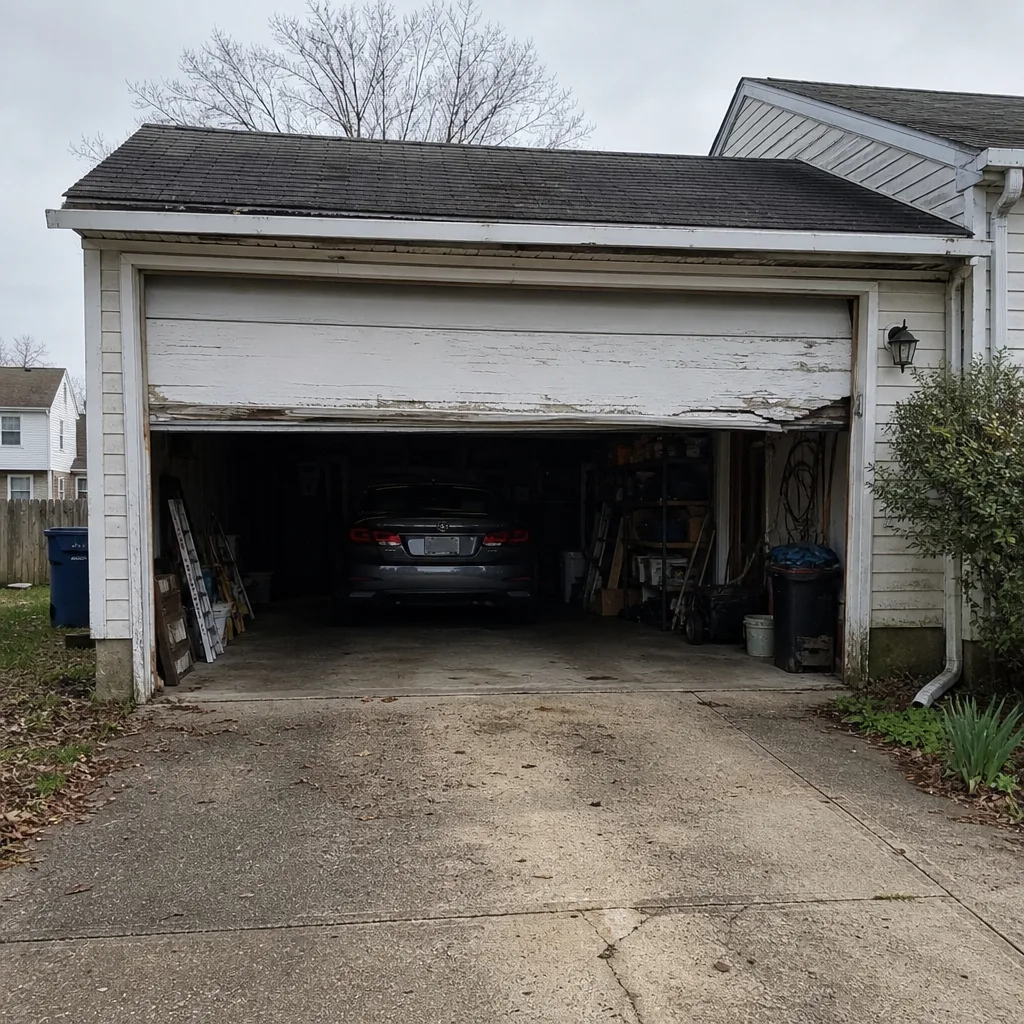 Before
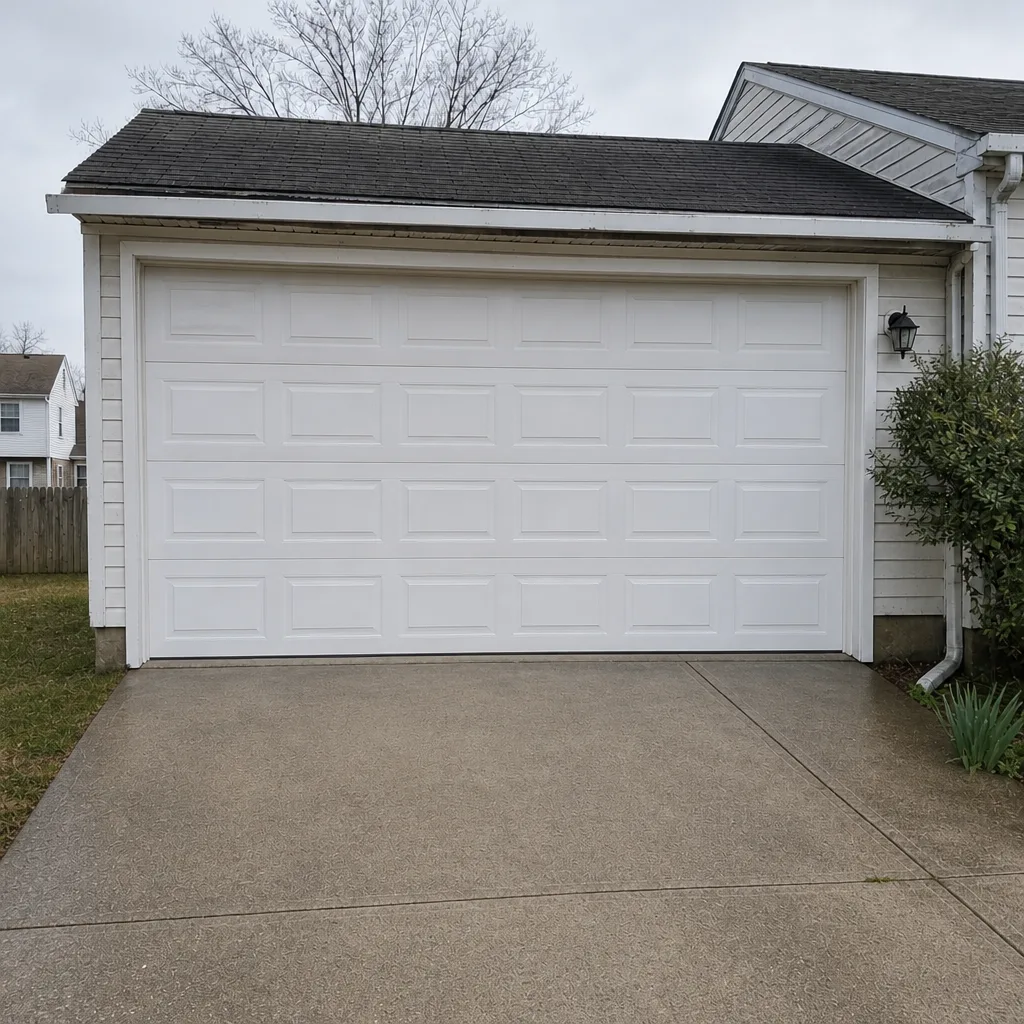 After
 Before
 After
 Before
 After