Last updated November 21, 2026
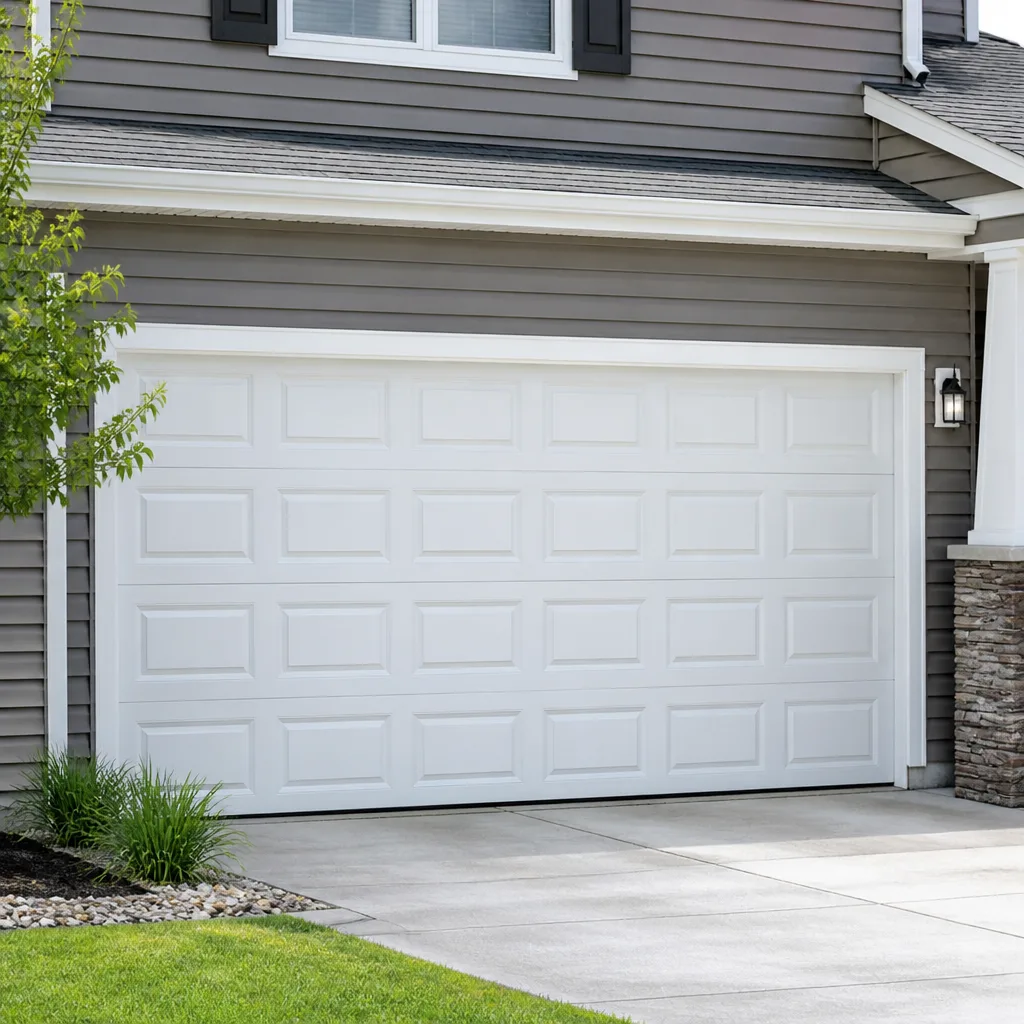 Raised-panel steel
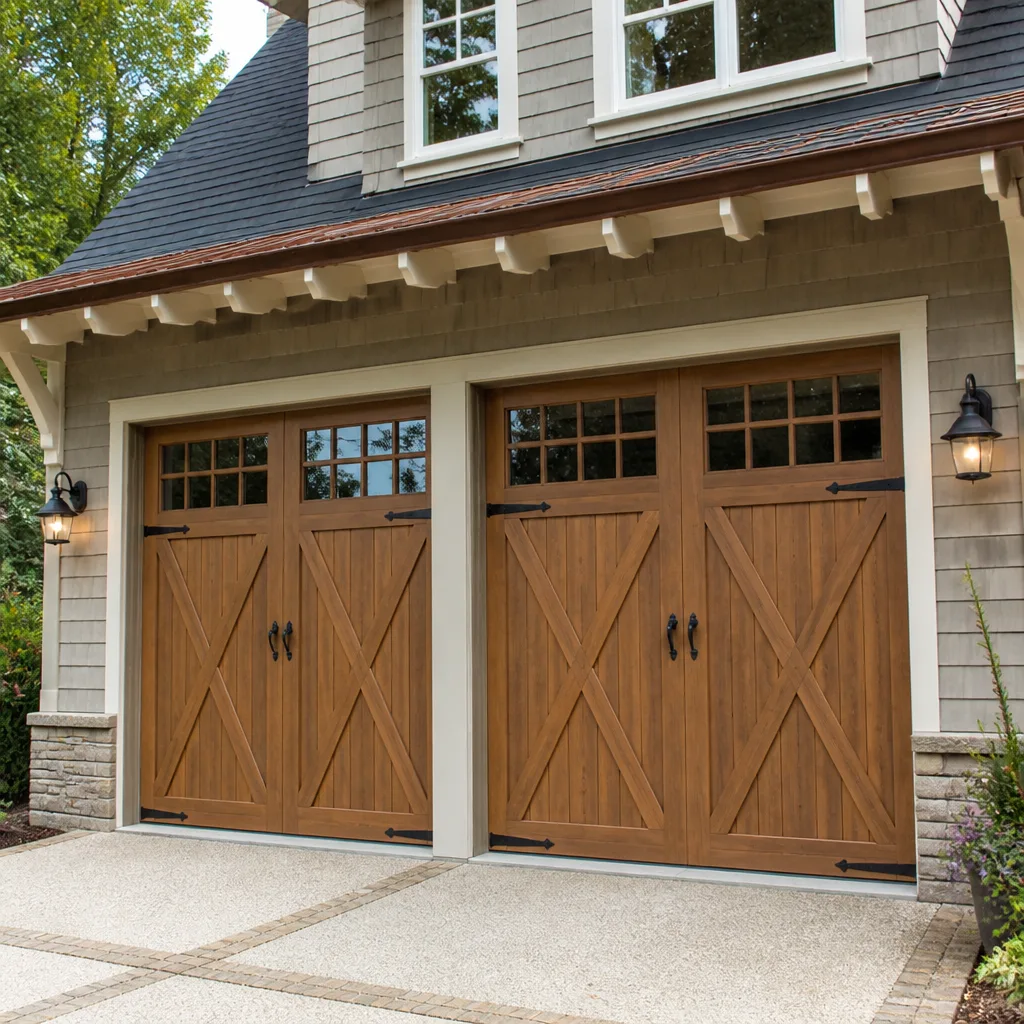 Carriage house
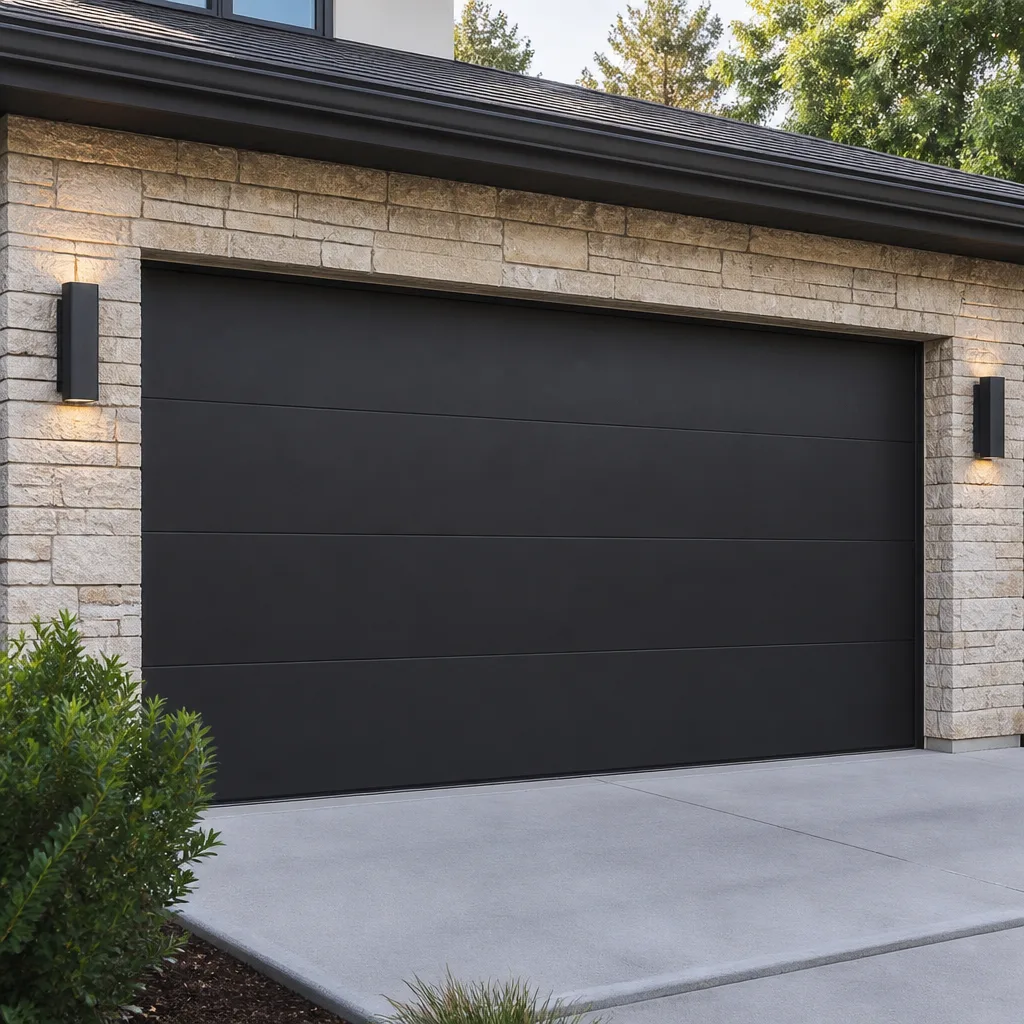 Modern flush
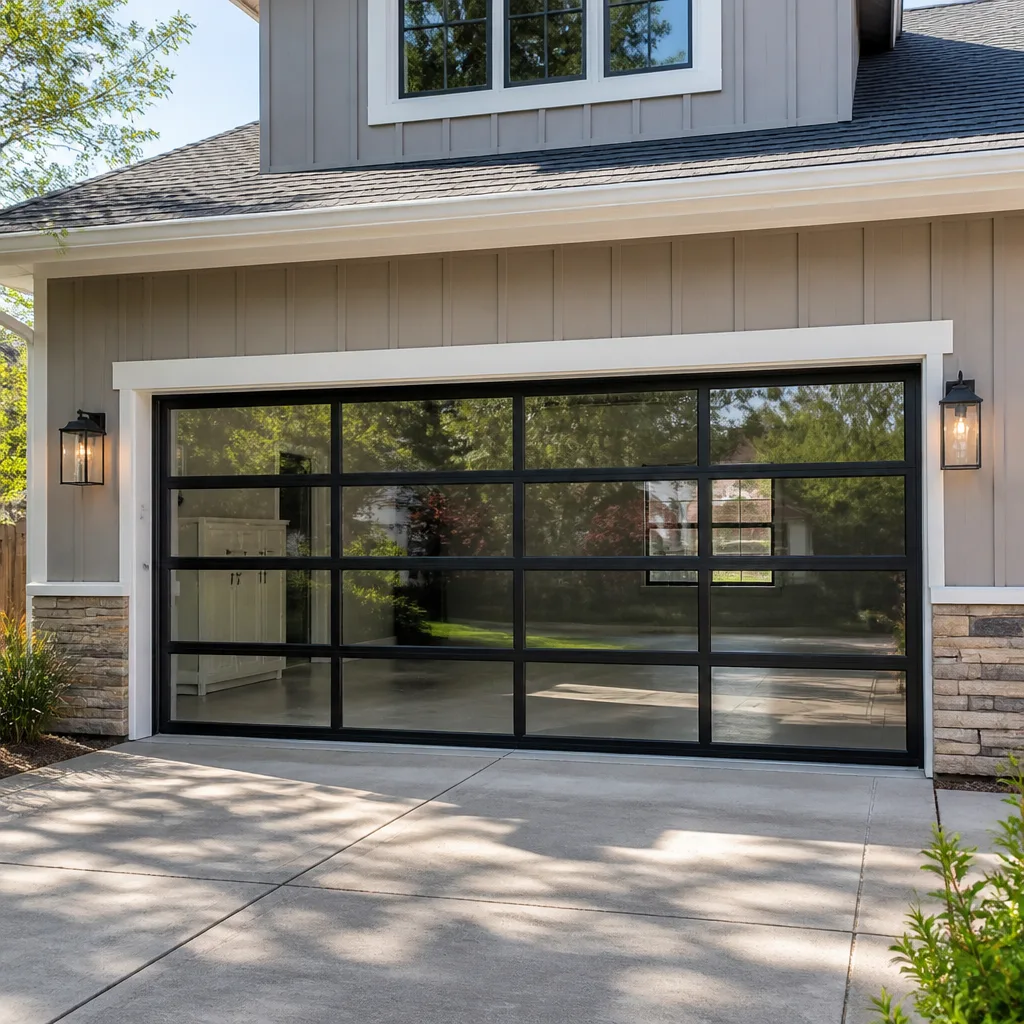 Full-view glass
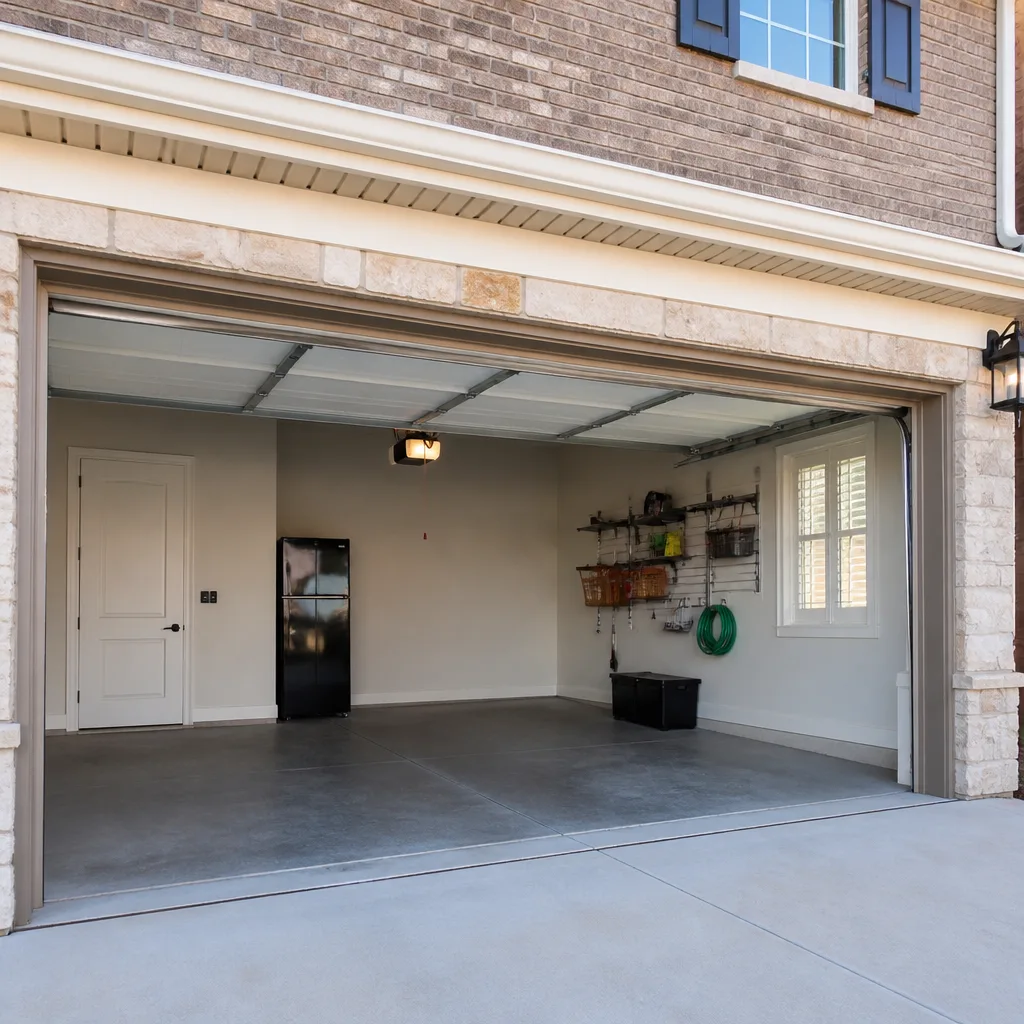 LiftMaster openers
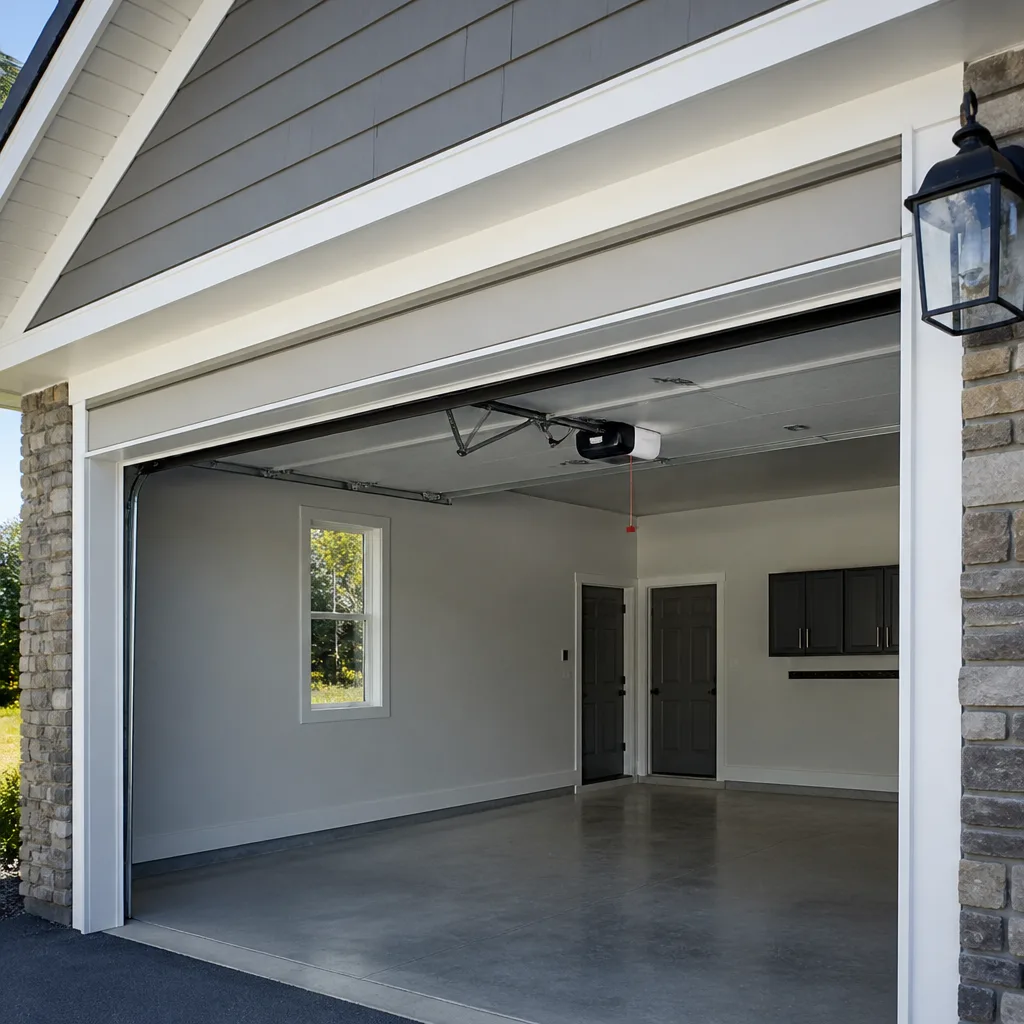 Chamberlain openers
Full 25-point door and opener safety check with every visit - springs, cables, rollers, tracks, and your LiftMaster or Chamberlain opener included
You get a price before we start. It does not change when the pro arrives.
Get your free estimateChoosing the Right Garage Door Brand: A Buyer’s Guide for Chesapeake
Most garage door brand advice starts in the wrong place. It ranks manufacturers by national reputation, then leaves you to discover the hard part alone: a well-reviewed brand with no authorized service dealer within reach of Chesapeake means your warranty claim can turn into a shipping problem. Panels you can’t source locally, hardware nobody stocks, and a phone number that routes to a call center instead of a technician. The brand on the label matters far less than the support system standing behind it. In this guide we’ll walk through how brand choice actually works in Hampton Roads, from steel gauge and insulation to warranty language that quietly excludes coastal exposure. You’ll finish knowing how to compare Clopay, Amarr, Wayne Dalton, Craftsman and their peers on the five factors that decide the outcome in Chesapeake.
Quick Answer
The right garage door brand in Chesapeake is the one with real local parts and service support, honest corrosion coverage in its warranty, and an insulation value that matches how you use the space. National reputation is a weak signal by itself. Compare any brand on five factors – local support, corrosion resistance, parts availability, warranty terms, and price-to-R-value – and the field narrows fast.
Styles & brands we work with
- Raised-panel steel
- Carriage house
- Modern flush
- Full-view glass
- LiftMaster openers
- Chamberlain openers
Table of Contents
- Why Local Service Infrastructure Beats National Brand Reputation
- Which Major Brands Have Real Support in the Hampton Roads Area
- Reading Steel Gauge, Insulation R-Value, and Hardware Grade for Chesapeake Homes
- Builder-Grade vs. Replacement-Grade: The Same Brand, Two Different Doors
- Which Warranties Actually Cover Rust and Paint Fade Here
- A Five-Factor Framework for Comparing Brands in This Market
- Pairing Your Door Brand With the Right Opener
- How a Door Replacement Usually Goes in Chesapeake
Why Local Service Infrastructure Beats National Brand Reputation
Garage door brands are sold nationally but serviced locally. That gap is where most buyers get hurt. A manufacturer can build an excellent door and still leave you stranded if the nearest authorized dealer is hours away, because warranty parts often have to be ordered through that dealer network rather than shipped straight to your house. When a section is dented or a hinge fails, the question isn’t “who makes the best door?” – it’s “who can get me the right part without a two-week wait?”
Here’s what local support actually affects:
- Warranty claims. Many manufacturers route claims through authorized dealers. No dealer nearby means a slower, more complicated process.
- Parts sourcing. Panels, hinges, rollers and bottom seals are model-specific. A brand with broad distribution means the part exists and someone can get it.
- Diagnostic familiarity. Technicians who see a brand regularly know its quirks – which openers pair cleanly, which tracks run true, which models are fussy about alignment.
- Replacement continuity. If you add a door or replace a section later, staying within a brand that’s supported locally keeps things simple.
This is why we take a brand-agnostic approach. We work on your brand, whatever it is – Clopay, Amarr, Wayne Dalton, Craftsman, LiftMaster, Chamberlain, Genie, Raynor – because steering you toward whatever a company prefers to stock helps the seller, not you. In our experience around Chesapeake, the homeowners who end up happiest are the ones who asked about local support before they asked about the label. A brand is only as good as the network that can service it after the sale.
Which Major Brands Have Real Support in the Hampton Roads Area
The Hampton Roads market is well served by the major names, which is genuinely good news for a Chesapeake buyer. Most of the brands you’re likely to encounter on a new or replacement door have some dealer and parts presence in the region, so you’re rarely stuck with an orphan product. That said, “present in the region” and “conveniently close” aren’t the same thing, so it’s worth asking a few direct questions before you commit.
What to verify for any brand you’re considering:
- Is there an authorized dealer or service provider in the area? Ask the manufacturer or your installer directly. If the answer is vague, treat it as a warning sign.
- Can common parts be sourced locally? Hinges, rollers and seals should be easy. Panels and proprietary hardware are the real test.
- Does the warranty require an authorized dealer for claims? This changes how a repair gets handled if something goes wrong.
- Do local technicians know the brand? Familiarity shortens diagnosis and reduces callbacks.
The brands we handle most – Clopay, Amarr, Wayne Dalton, Craftsman, Raynor, and the opener side with LiftMaster, Chamberlain and Genie – are all common in Hampton Roads homes, which means parts knowledge exists here. That’s the practical advantage of a widely supported brand. A less common import might look attractive on paper, but if a panel has to ship from out of state when it’s damaged, the savings evaporate. For most Chesapeake homeowners, sticking with a major brand that has regional support is the lower-risk choice, and it rarely costs more.
Reading Steel Gauge, Insulation R-Value, and Hardware Grade for Chesapeake Homes
Three specs do most of the work in a garage door, and they’re the three most often glossed over in a sales conversation: steel gauge, insulation, and hardware grade. Understanding them lets you compare brands on substance rather than marketing.
Steel gauge
Gauge measures steel thickness, and lower numbers mean thicker steel. A 24- or 25-gauge door is on the lighter side; 27- and 28-gauge are thinner still. Thicker steel resists dents better and holds its shape longer, which matters for a door that faces a driveway and takes the occasional bump. Ask what gauge the door’s sections actually use, because a brand may use different gauges across its product lines.
Insulation and R-value
Insulation keeps a garage more comfortable and quiet, and R-value is the measure of how well it resists heat flow. A single-layer steel door offers little. A door with a polystyrene core sits in the middle. A door with a polyurethane core generally delivers the highest R-value for its thickness. If your garage shares a wall with living space or you use it as a workshop, insulation is worth the upgrade. If it’s purely a place to park, you can save here.
Hardware grade
Hinges, rollers, and track hardware are where budget doors cut corners. Nylon rollers run quieter than steel. Heavier-gauge hinges last longer under daily cycling. A door that pairs good steel with cheap hardware will still develop problems, so ask what hardware comes standard and what’s an upgrade.
Chesapeake’s humid summers and the region’s seasonal swings make corrosion resistance a real consideration, not a footnote. Galvanized steel and quality factory finishes slow rust, but no finish stops it forever where humidity runs high. If your garage sits in an exposed spot with a lot of moisture, prioritize doors with better corrosion protection and read the finish warranty closely. That leads directly to the next thing most buyers overlook.
Builder-Grade vs. Replacement-Grade: The Same Brand, Two Different Doors
Here’s a distinction that trips up a lot of Chesapeake homeowners in newer subdivisions: the door that came with your house is often builder-grade, and it may share a brand name with the replacement-grade door you’d buy today while sharing almost nothing else. Builders buy to a price point. The door installed on a new-construction home is frequently the lightest, least insulated option a manufacturer offers, chosen to meet a budget rather than a lifespan.
That matters when that door reaches the end of its life. If you liked the brand well enough, you might assume a replacement from the same name will be the same product. It won’t be – it’ll likely be better. Replacement-grade doors from the same manufacturer typically offer:
- Thicker steel across the sections
- Better insulation options, including polyurethane cores
- Heavier-duty hardware and more robust track
- Longer and more detailed warranties
The practical upshot: don’t judge a brand by the builder-grade door on your house. Judge it by the replacement line you’d actually buy. Ask your installer to show you both so you can feel the difference in weight and hardware. And when you’re replacing a door on a newer Chesapeake home, confirm the new door’s dimensions and track match what’s already framed in – a builder-grade opening doesn’t always accommodate every replacement model without adjustment. This is the kind of thing a proper measure catches before anything is ordered, which is why garage door installation should always start with an on-site measurement rather than a phone estimate.
Which Warranties Actually Cover Rust and Paint Fade Here
Warranty language is where brands separate, and where a coastal-humid market like Chesapeake exposes the gaps. Many garage door warranties include exclusions for damage from “salt air exposure” or similar environmental wording. Read your own documents, because terms vary by manufacturer and by product line, and the same brand can offer very different coverage across its tiers.
What to look for when you compare finish warranties:
- Explicit corrosion coverage. Does the warranty state what rust is covered and for how long, or does it stay silent?
- Paint fade terms. Some warranties address fading directly; others don’t mention it.
- Environmental exclusions. Scan for language about salt air, coastal exposure, or harsh environments – these can limit a claim even in a humid inland-area home.
- Who honors the claim. A warranty is only as useful as the local dealer network that processes it.
- Transferability. If you might sell the home, a transferable warranty can add value.
Our advice is blunt: a longer warranty with an environmental exclusion may protect you less than a shorter warranty that plainly covers rust. Read the exclusion list before the coverage list. If the language is unclear, ask the manufacturer in writing. In a humid climate like ours, corrosion coverage is one of the most decision-relevant parts of the entire warranty, and it’s the part most buyers skip.
A Five-Factor Framework for Comparing Brands in This Market
Rather than ranking brands for you – rankings age badly and depend on your budget and goals – here’s a framework you can apply to any brand on your shortlist. Score each factor for the brand you’re considering, and let the total guide you.
- Local support. Is there an authorized dealer or service provider within reasonable reach of Chesapeake? Can they handle warranty claims and repairs?
- Corrosion resistance. How well does the door’s steel and finish hold up to humid summers? Does the hardware resist rust?
- Parts availability. Can panels, hinges, rollers and seals be sourced locally, or do they have to ship from far away?
- Warranty terms. Does the warranty cover rust and paint fade, and does it carry environmental exclusions that undercut that coverage?
- Price-to-R-value ratio. For the insulation you actually need, what are you paying? A cheap door with no insulation is poor value if your garage shares a wall with the house.
Weigh the factors for your situation. A property manager maintaining multiple units may weight parts availability and local support heavily. A homeowner finishing a garage workshop may care most about insulation and R-value. A homeowner in an exposed, humid spot should weight corrosion resistance up. There’s no single right answer, but scoring each brand against these five factors produces a defensible decision instead of a gut feeling driven by a label. This is also how we approach repairs – diagnosing what’s actually on your door rather than pushing a brand, which is the spirit behind our garage door repair work across Chesapeake.
Pairing Your Door Brand With the Right Opener
A garage door and its opener are a system, and the brand of one doesn’t have to match the other – but the two need to be compatible. Most modern openers from LiftMaster, Chamberlain, Genie and similar brands will drive most residential doors from Clopay, Amarr, Wayne Dalton, Craftsman and others, provided the door’s weight and size fall within the opener’s rated capacity. The pairing question is less about brand matching and more about lift capacity, safety features, and whether the opener can be sourced and serviced locally.
What to check when choosing an opener to go with a new door:
- Lift capacity. The opener must be rated for your door’s weight, especially with an insulated door that’s heavier than the builder-grade original.
- Safety features. A working safety reverse and photo-eye setup isn’t optional – it’s the part that protects people and pets.
- Local service. Choose an opener brand a local technician can service and source parts for, so a failure doesn’t mean a long wait.
- Noise and drive type. Belt-drive openers run quieter than chain-drive, which matters if a bedroom sits above the garage.
When your opener acts up – straining, reversing for no clear reason, or refusing to respond – that’s a repair question before it’s a brand question. Our garage door opener repair service handles LiftMaster, Chamberlain, Genie and the rest, and we diagnose the existing unit before suggesting replacement. Pairing a good door with a properly matched, locally serviceable opener is the difference between a system that runs quietly for years and one that keeps calling you back to the garage.
How a Door Replacement Usually Goes in Chesapeake
A door replacement isn’t a same-day drop-in, and any company promising one before measuring your opening is guessing. The work is measured, ordered and scheduled, and the timeline depends mostly on how quickly the specific door and its parts arrive. Here’s how the process generally runs.
- On-site measure and consultation. We measure the opening, check the framing and headroom, and talk through brand, insulation and hardware options for your budget.
- Written estimate. You get a written price before anything is ordered. The quoted price is the price – no surprise invoice after the fact.
- Ordering. The door and parts are ordered. Lead time varies by brand, model and finish, and we’ll tell you what to expect.
- Installation day. The old door comes down, the new door and track go up, and the opener is checked or replaced as needed. Springs are set and balanced by a trained technician – never attempted as a DIY job.
- Safety and balance check. We test the balance, the safety reverse, and the photo-eye setup before we call it done.
Because a replacement involves measuring, ordering and scheduling, there’s no rush promise to make here – just a clear timeline and a written price. For a door that’s merely misbehaving rather than worn out, repair is often the smarter call, and that’s where fast service does matter. If you’re weighing repair against replacement in Chesapeake, the starting point is Garage Door Repair Chesapeake Pros and a straight conversation about what your door actually needs. Springs, in particular, are dangerous to handle – high-tension springs and cables store enormous force, and a mistake can cause serious injury – so anything involving them belongs with a trained technician, not a weekend project.
Common Mistakes to Avoid
- Judging a brand by its builder-grade door. The light, uninsulated door on your Chesapeake new-build is the budget end of the line, not the brand’s best. Compare the replacement line you’d actually buy.
- Skipping the local support question. A respected brand with no service dealer nearby makes warranty claims harder. Ask about local support before you commit to a label.
- Ignoring the warranty’s exclusion list. Look for environmental exclusions like salt air exposure that can limit corrosion claims before you assume rust is covered.
- Buying insulation you don’t need – or skipping it when you do. If your garage shares a wall with living space, insulation pays off; if it’s just parking, put the money elsewhere.
- Choosing the door before the opener. An opener that’s under-rated for a heavier insulated door will strain and fail early. Size the opener to the door you’re buying.
- Accepting a phone-only estimate on a replacement. A door replacement needs an on-site measure to avoid fit and track mismatches. No accurate replacement price comes from a phone call.
- Trying to handle springs alone. High-tension springs and cables store dangerous force. This isn’t a job to take on without training, no matter what a video suggests.
See the difference
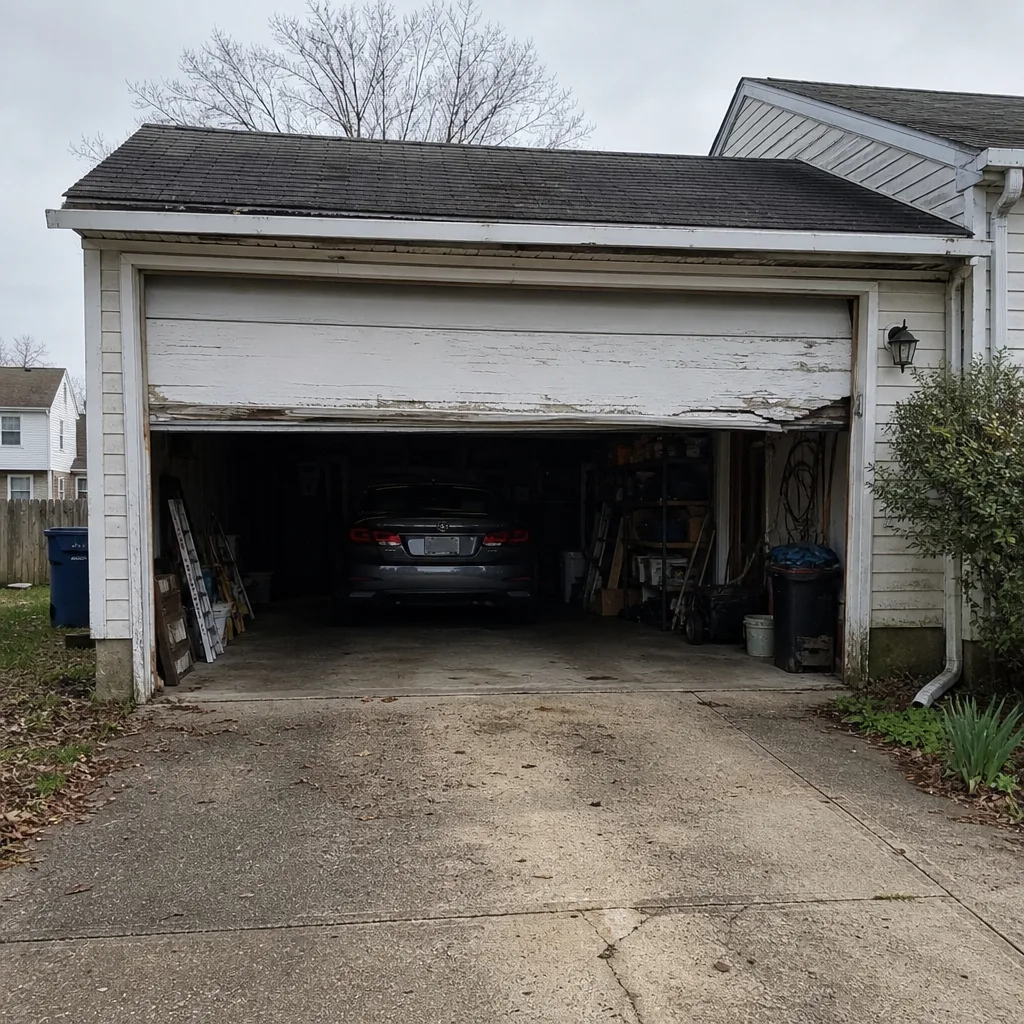 Before
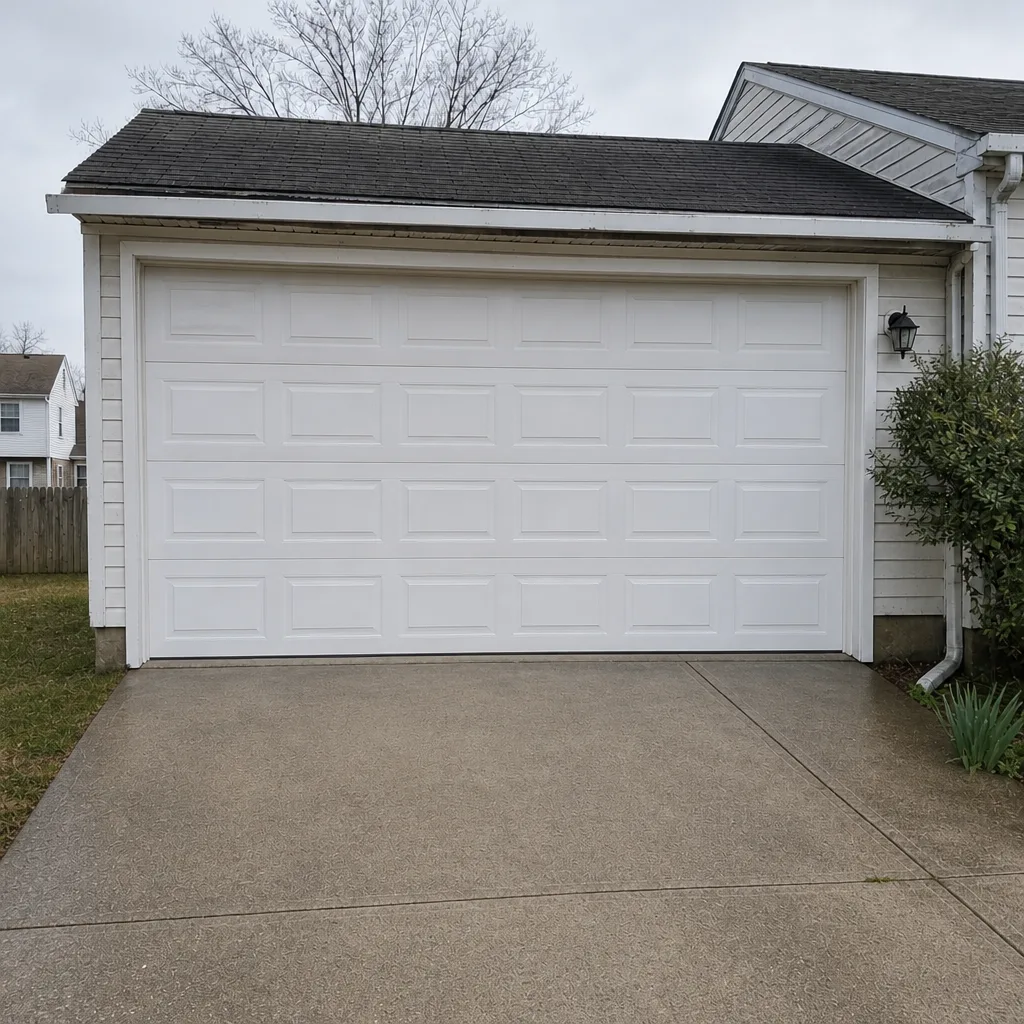 After
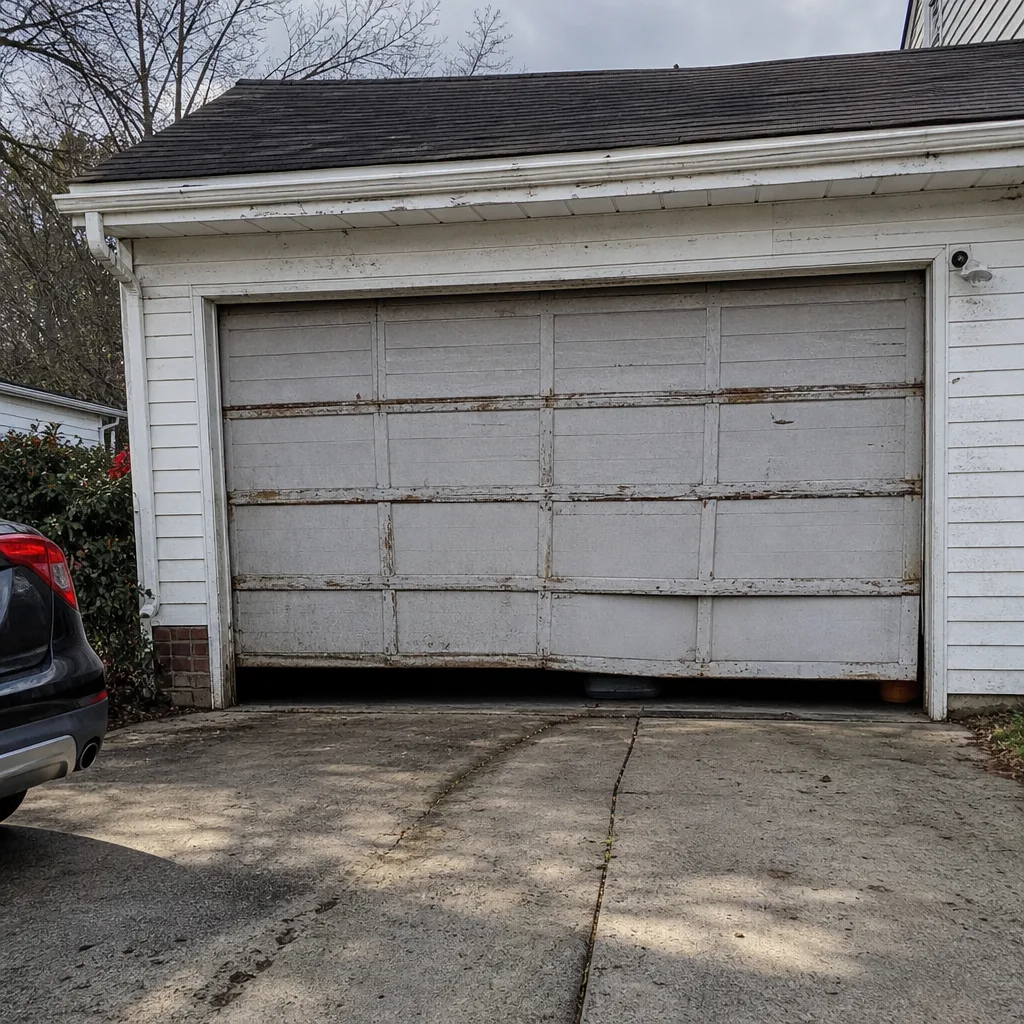 Before
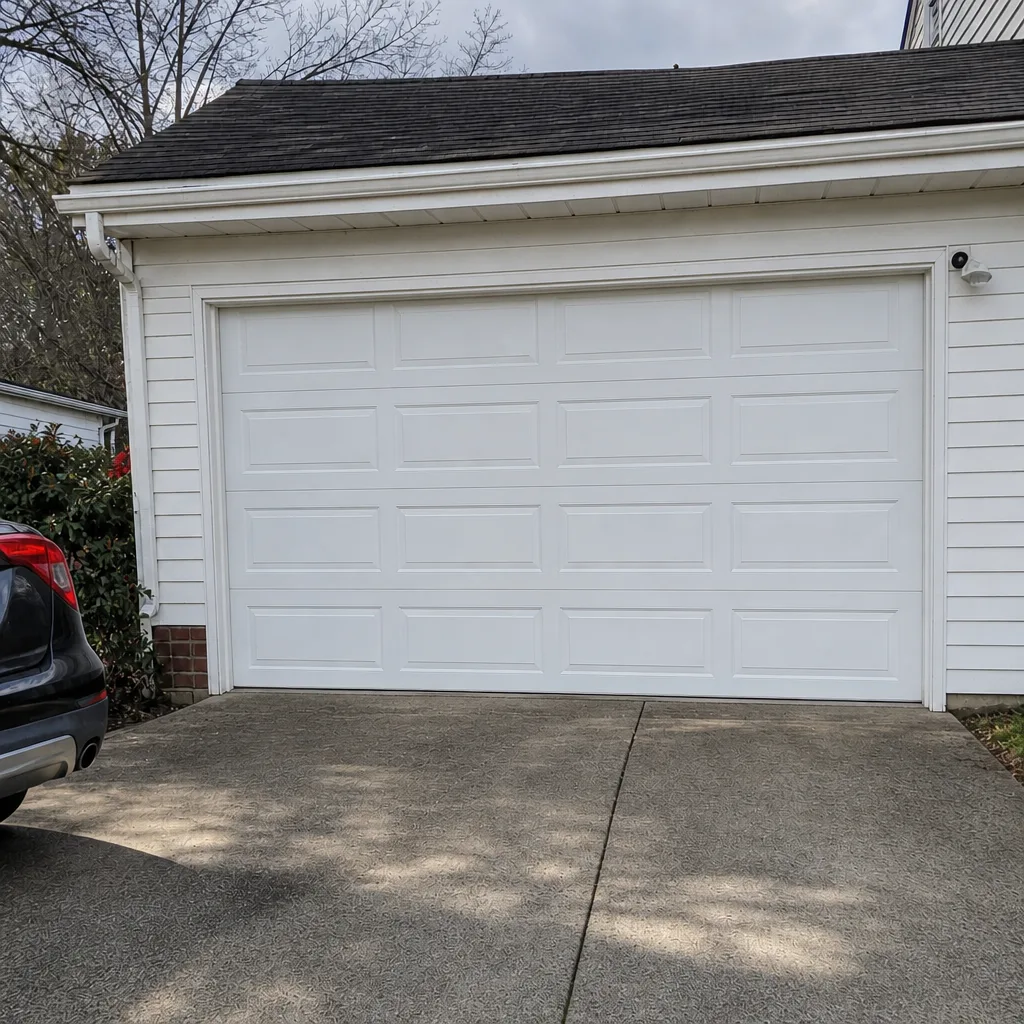 After
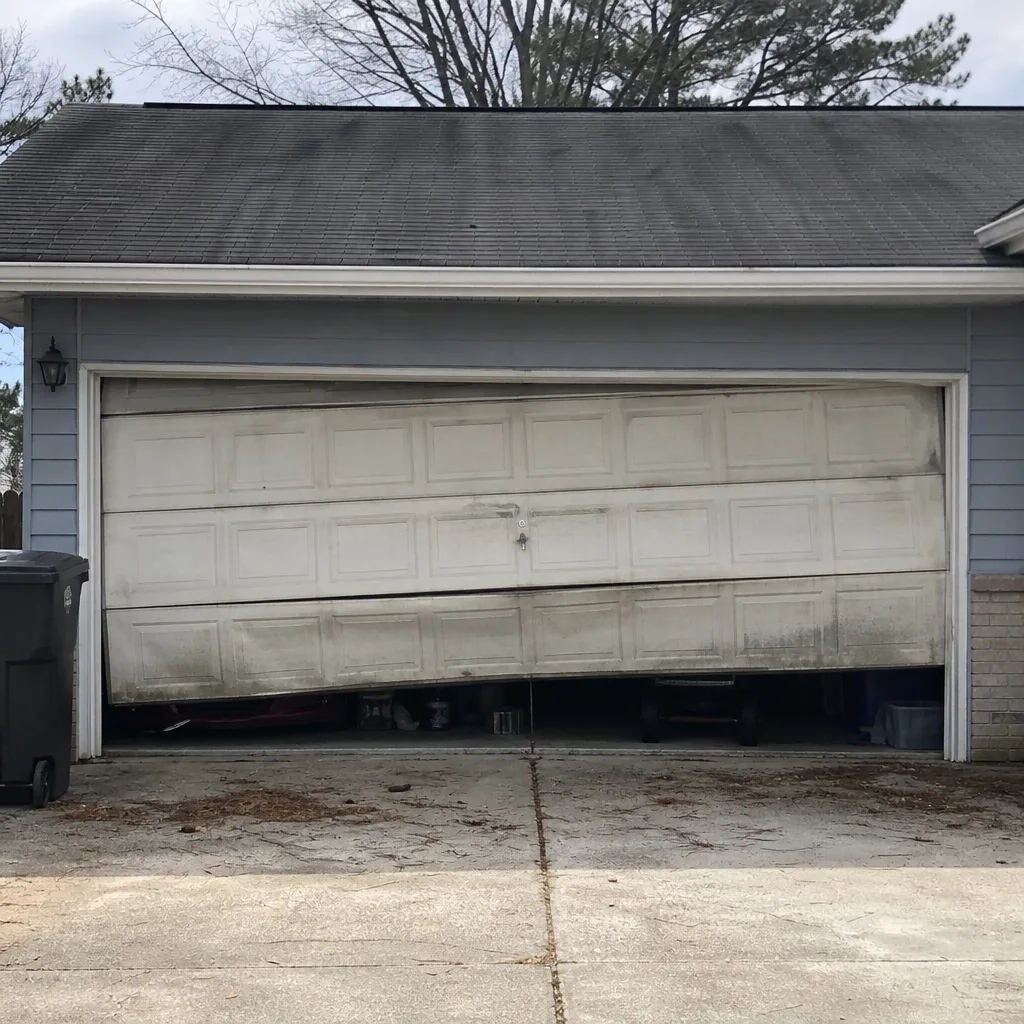 Before
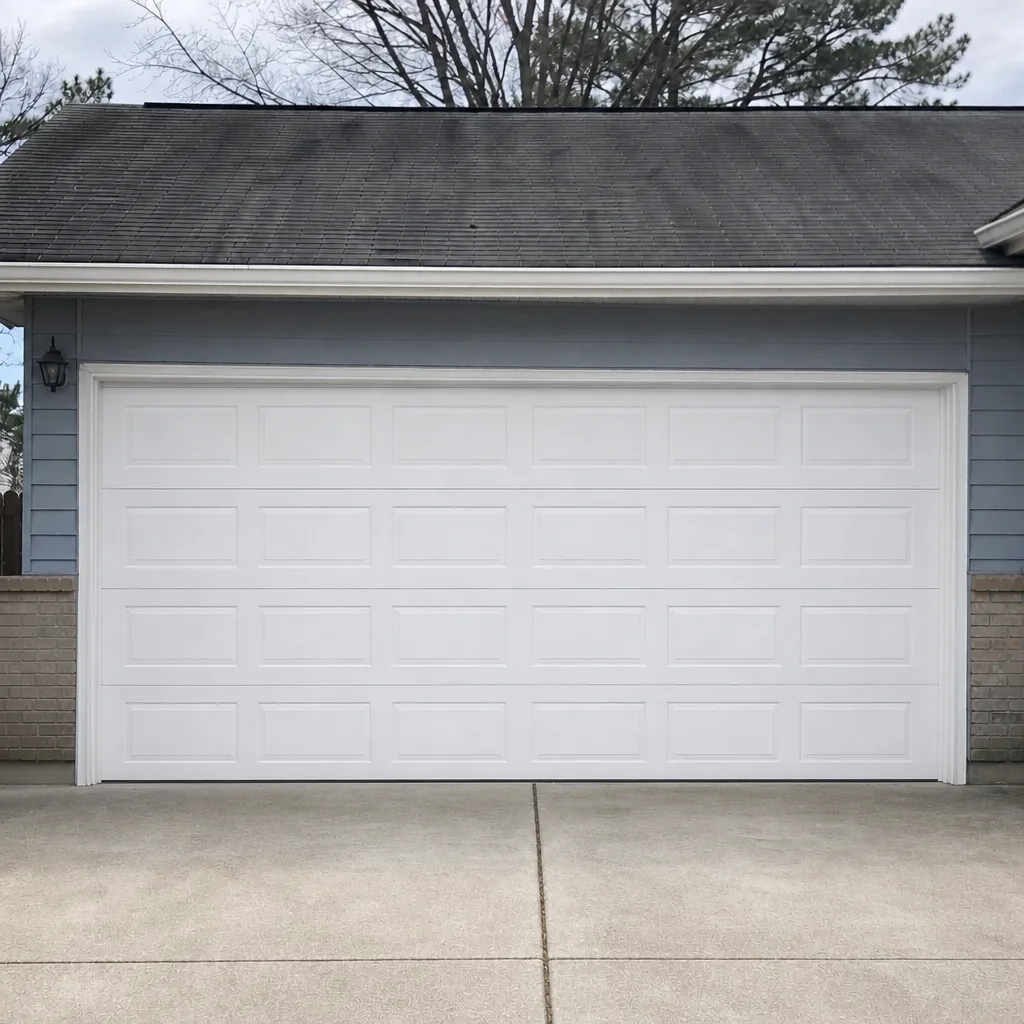 After
When to Call a Professional
Brand choice is one decision; knowing when to call is another. Get a professional involved when a door comes off its track, when a spring snaps (a loud bang and a door that won’t lift), when the opener strains or reverses without cause, when a door won’t close evenly or binds partway down, or when you’re replacing a door and need an accurate measure before ordering. Emergency situations – a door stuck open overnight, a door jammed shut – are worth calling on regardless of brand, because a stuck door is a security problem and a safety concern. Garage Door Repair Chesapeake Pros offers free estimates in Chesapeake – call (877) 745-2212. Our technicians have up to 8 years of experience, and we handle LiftMaster, Chamberlain, Genie, Clopay, Amarr, Wayne Dalton, Craftsman and Raynor.
Frequently Asked Questions
There’s no single best brand – the right one depends on local parts and service support, corrosion resistance in our humid climate, parts availability, warranty terms, and price-to-R-value. Score any brand on those five factors and pick the one that fits your budget and how you use the garage. A widely supported major brand with a service dealer in the region is usually the lower-risk choice in Chesapeake.
Often the installer matters more, yes. A good door installed poorly will underperform, while a mid-range door installed correctly runs smoothly for years. The measure, the balance, the safety check and the hardware all depend on the installer, so weigh installation quality as heavily as the label. Call (877) 745-2212 for a free estimate.
Because humidity and airborne exposure accelerate corrosion, and some manufacturers limit corrosion claims that stem from those conditions. Read the exclusion list on any warranty before you assume rust and paint fade are covered, and ask the manufacturer directly if the wording is unclear. A shorter warranty without environmental exclusions can protect you more than a longer one that has them.
It depends on how you use the garage. For a garage that’s just parking, low insulation is fine. If the garage shares a wall with living space or you use it as a workshop, choose a door with a higher R-value, which usually means a polyurethane core. Ask your installer to compare options by R-value at your budget.
Sometimes, but not always. A heavier insulated door can exceed an older opener’s lift capacity, and an aging opener may struggle with the new load. Have the opener checked against the new door’s weight before installation, and replace it if it’s under-rated. A local technician can source and service LiftMaster, Chamberlain and Genie units, so a failure won’t leave you waiting. Call (877) 745-2212 for a free estimate.
Ask directly which brands they work on and whether they can source parts for yours. A company that works on many brands – LiftMaster, Chamberlain, Genie, Clopay, Amarr, Wayne Dalton, Craftsman, Raynor – can usually diagnose and repair whatever is on your door rather than steering you toward a preferred label. Brand-agnostic service is the sign of a technician focused on your fix, not a brand.
The Bottom Line
Choosing a garage door brand in Chesapeake comes down to support, not slogans. Local parts and service infrastructure, honest corrosion coverage in the warranty, and an insulation value that matches how you use the garage decide more than a manufacturer’s national reputation ever will. Judge a brand by its replacement line, not the builder-grade door on your house, and score candidates on local support, corrosion resistance, parts availability, warranty terms and price-to-R-value. That framework, applied honestly, keeps you from paying for a label with no one nearby to stand behind it. When you’re ready to compare real options and get a written price, we’re a call away.
If you’re weighing brands, planning a replacement, or dealing with a door that’s failing right now, call Garage Door Repair Chesapeake Pros at (877) 745-2212 for a free estimate in Chesapeake. We work on your brand, whatever it is, and the price is quoted and agreed before any work starts. Repair, replacement or emergency service – one call, full fix.
Written by the team at Garage Door Repair Chesapeake Pros.