Last updated November 21, 2026
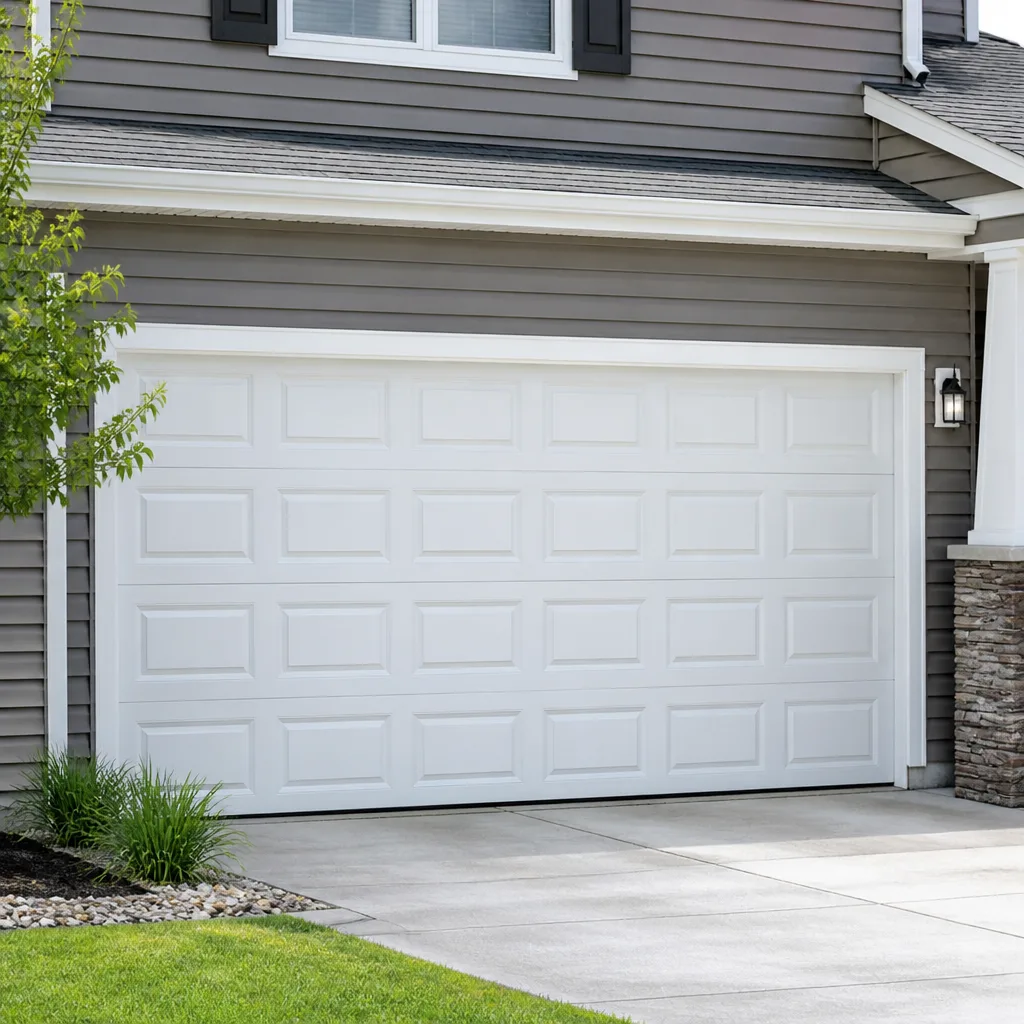 Raised-panel steel
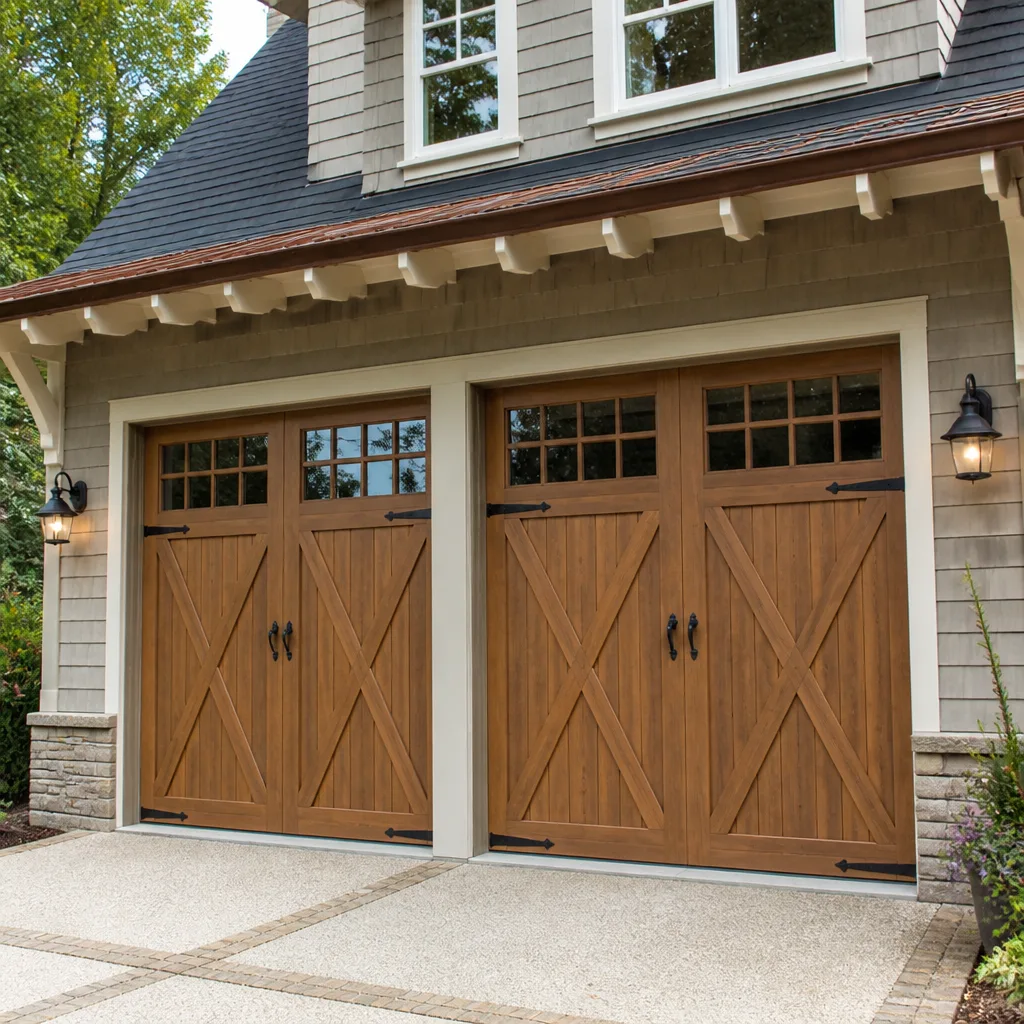 Carriage house
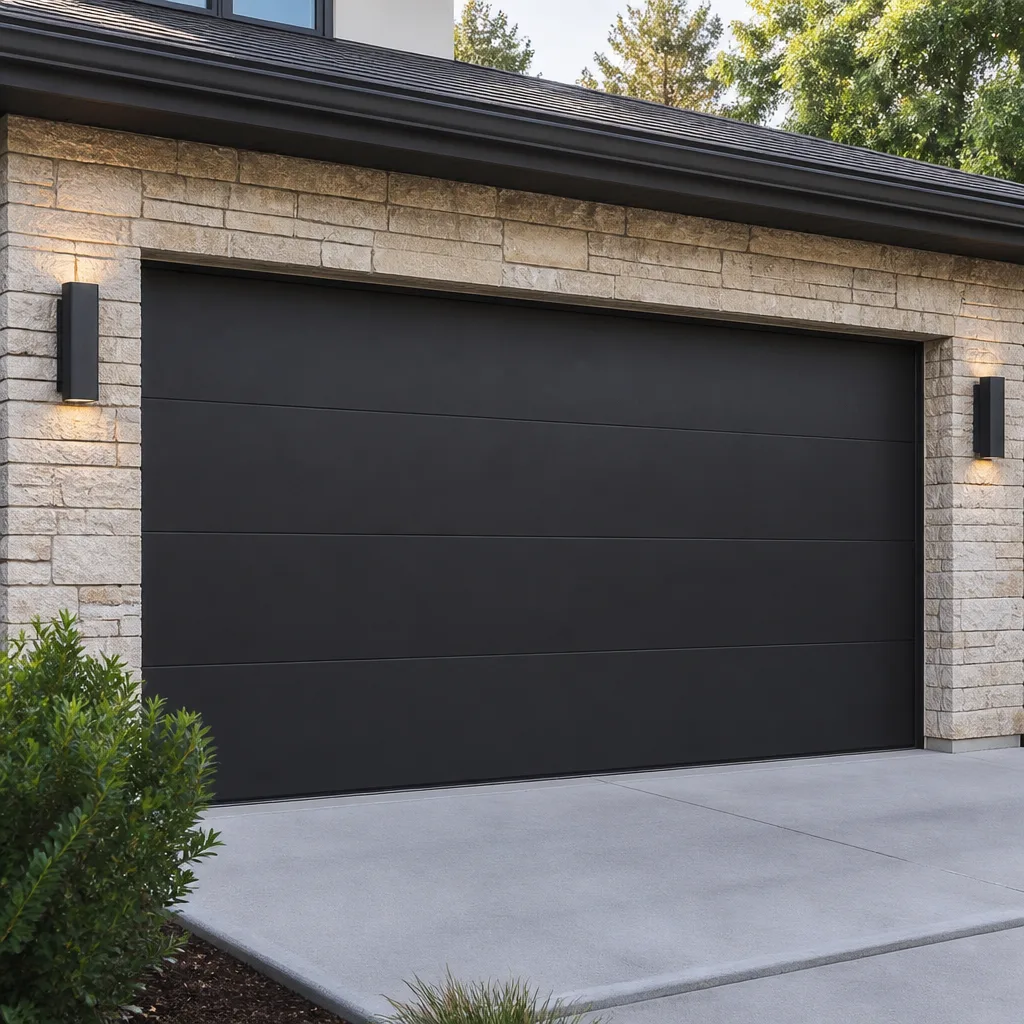 Modern flush
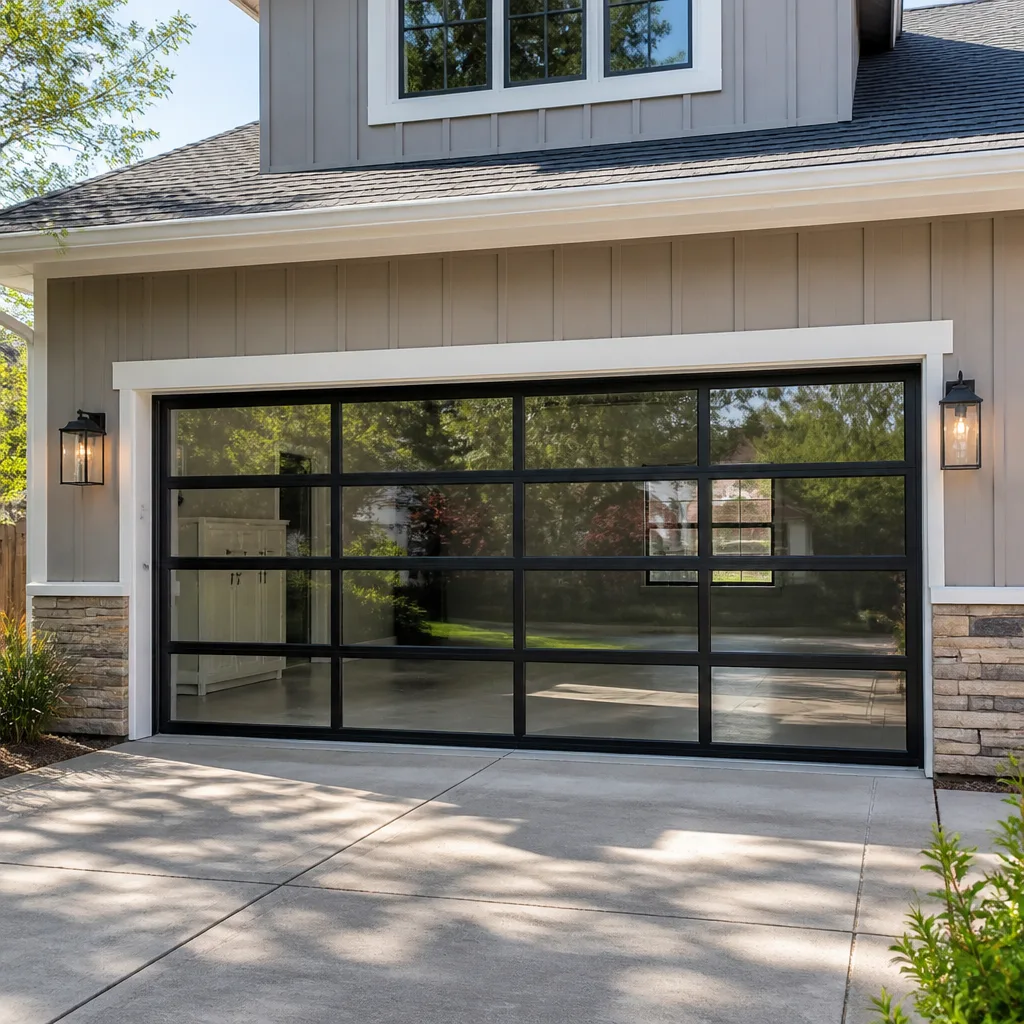 Full-view glass
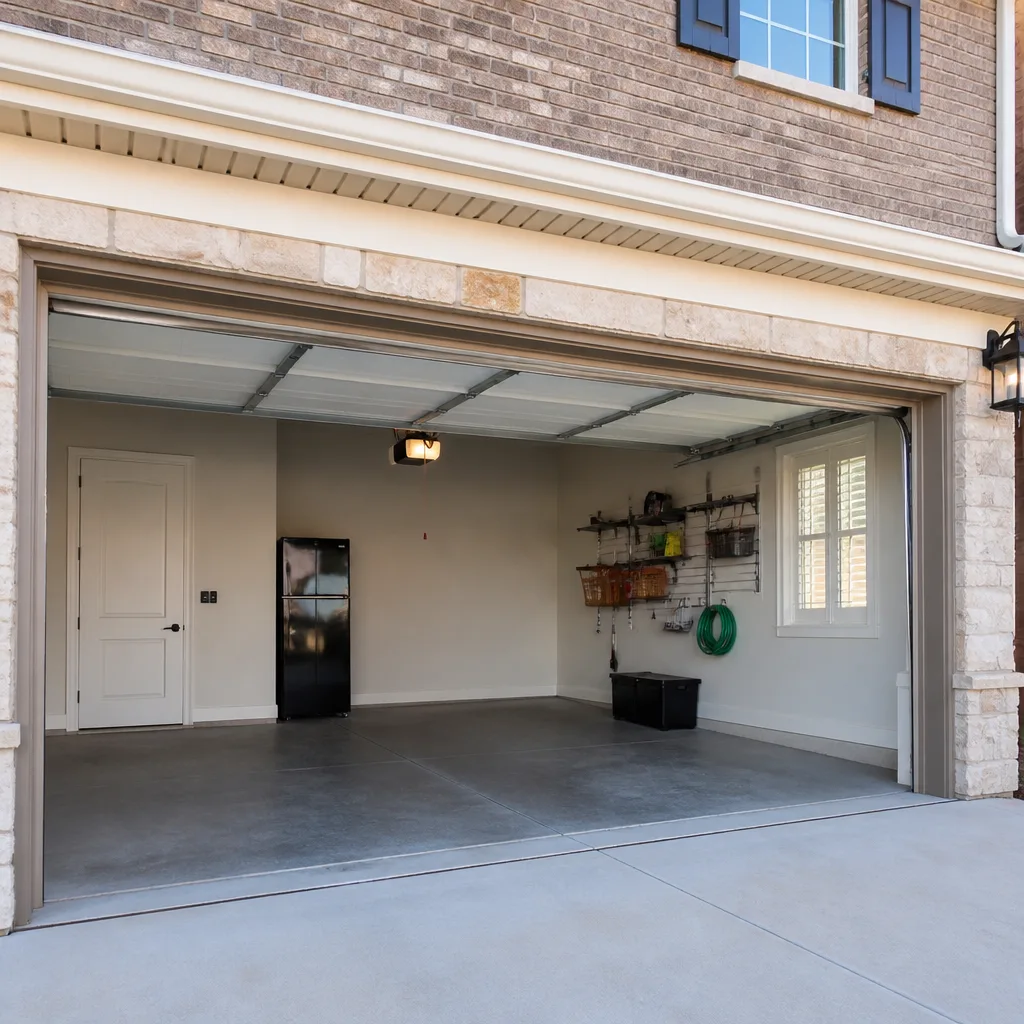 LiftMaster openers
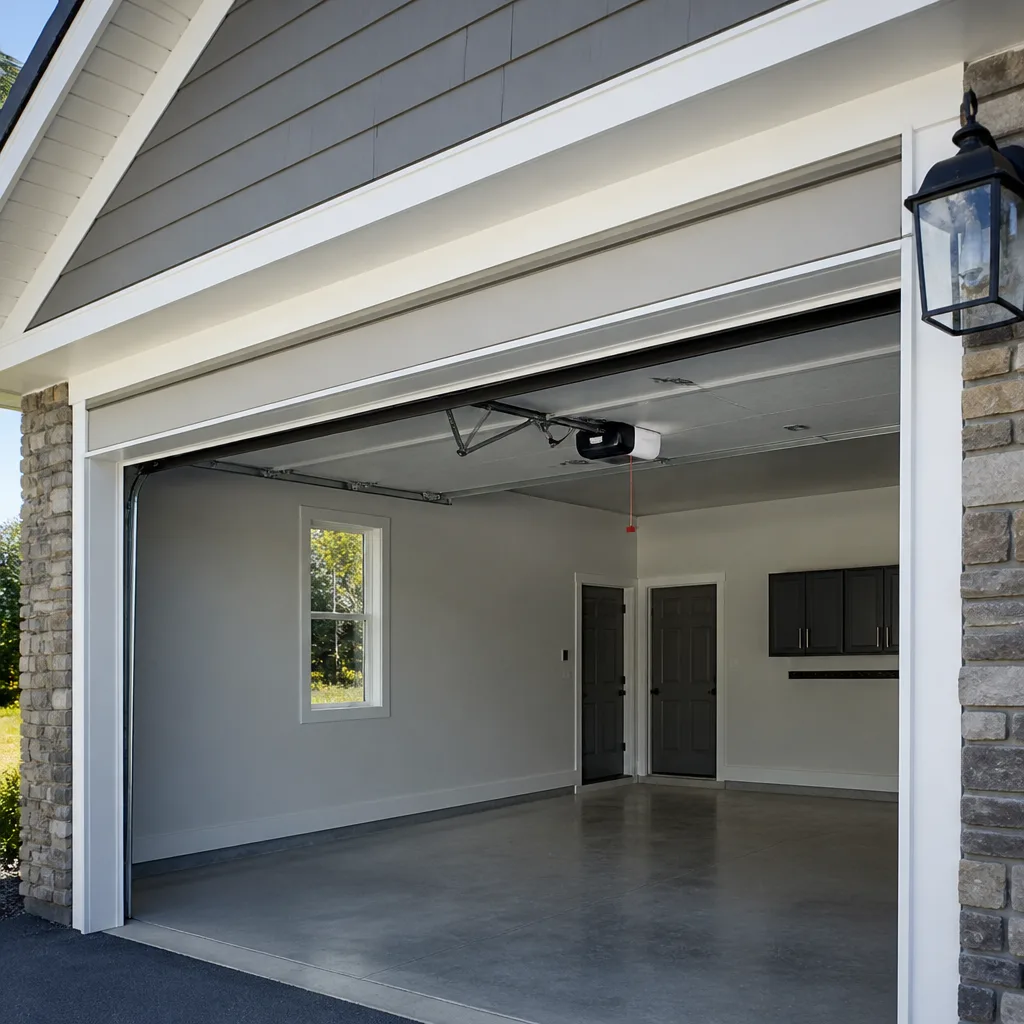 Chamberlain openers
Full 25-point door and opener safety check with every visit - springs, cables, rollers, tracks, and your LiftMaster or Chamberlain opener included
You get a price before we start. It does not change when the pro arrives.
Get your free estimateGarage Door Repair Maintenance Checklist for Chesapeake Homeowners
Most homeowners think a garage door fails because of age. In our experience across Chesapeake, the bigger culprit is rust that nobody lubricated. Humidity hangs over Hampton Roads for months, and the coils on a torsion spring are bare steel. Two or three summers without a coat of lubricant and those coils start to pit. The door still opens, so nobody thinks about it, until one morning it doesn’t. A few dollars of spray lubricant on a routine schedule is the cheapest insurance you’ll ever buy for a garage door. This guide pairs every inspection checkpoint with the failure it prevents and the repair cost you avoid – so you know what you’re actually looking at, and what to do about it.
Quick Answer
A garage door maintenance checklist should cover springs, cables, rollers, hinges, tracks, weatherstripping and the opener, and it should be run once a year at minimum. In Chesapeake, humidity and summer heat cycles make lubrication and moisture checks the two most important items. Most of the list is safe to do yourself, but springs, cables and opener electrical work should always go to a trained technician.
Styles & brands we work with
- Raised-panel steel
- Carriage house
- Modern flush
- Full-view glass
- LiftMaster openers
- Chamberlain openers
Table of Contents
- Why Chesapeake Doors Age Differently
- 1. Springs: The Most Expensive Item to Skip
- 2. Hinges, Rollers and Cables
- 3. Weatherstripping and Wood Panels After Summer
- 4. The Opener and Safety Reverse
- How Often Should You Inspect?
- What’s DIY-Safe and What Isn’t
- Documenting Maintenance for Warranty
Why Chesapeake Doors Age Differently
Chesapeake sits in a humid subtropical pocket. Summers bring long stretches of heat and moisture, and the transition into fall brings temperature swings that expand and contract metal. A garage door is a big metal machine mounted on a wood frame, and that frame moves with the seasons. Wood panels soak up moisture in the summer and dry out over the winter. Steel tracks shift slightly as the slab and framing settle.
None of that is unusual. What makes it worth a checklist is that the wear happens slowly and quietly. Rust on a spring coil doesn’t announce itself. A hinge that’s lost its lubrication doesn’t squeal until the pin has already worn a groove. Weatherstripping that’s stiffened from heat cycles doesn’t visibly fail – it just stops sealing, and water finds its way in.
The whole point of a maintenance routine is to catch the small problems before they become the big ones. That’s what the rest of this guide is about. Each checkpoint below tells you what to look for, what it protects against, and roughly what the repair costs if you skip it. Prices are estimates for the Chesapeake market; your written quote sets the final number.
1. Springs: The Most Expensive Item to Skip
Torsion springs and extension springs do the heavy lifting on any garage door. They’re also the component most likely to fail early, and the most dangerous to touch. A rusted spring, or one that’s been cycled thousands of times without lubrication, can snap without warning.
What to check: Look at the coils on a torsion spring above the door, or the stretched spring along the side tracks for extension springs. You’re looking for visible rust, gaps between coils, or a spring that hangs loose. Listen for a sharp pop when the door opens – that can be the sound of a spring giving way. Never try to adjust, tighten or replace a spring yourself.
What skipping it costs: A single torsion spring replacement in Chesapeake typically runs $180 to $340, and a matched pair usually needs replacing together, so a pair costs roughly twice that. If a broken spring is ignored and the door is forced open, you can bend the tracks or strip the opener gear, and that adds several hundred dollars to the bill. Lubricating the coils once or twice a year is the cheapest way to extend a spring’s life.
Extended Lubrication Checkpoint: Walk the perimeter of the door once each season. Any coil that feels rough or shows orange dust is a candidate for a spray. That small task is the single biggest reason we see springs last longer than expected on Chesapeake homes.
2. Hinges, Rollers and Cables
The hinges, rollers and cables are the moving parts that carry the door’s weight along the track. They wear out faster than most homeowners expect, and the failure modes are predictable.
- Hinges: Look for rust, a bent pin or visible play. A worn hinge can bind and put strain on the opener. Lubrication at the pivot points once a year keeps them working smoothly.
- Rollers: Steel rollers can develop flat spots. Nylon rollers can crack or chip. A roller that’s no longer round will make the door noisy and put uneven pressure on the track.
- Cables: Cables fray. A single broken strand is enough to see, and any fray is a safety issue. A snapped cable can whip loose and cause serious injury, so cables are not a do-it-yourself item.
- Tracks: Look for dents, bends or a track that’s pulled away from the wall. A slightly out-of-line track will bind the rollers and lead to a door that sticks or reverses partway.
What skipping it costs: A single worn roller is a cheap part, but leave it long enough and it wears a groove in the track. Roller replacement in Chesapeake is typically a modest repair; replacing the track adds meaningful cost. Frayed cables should be replaced, and that’s a technician job – a snapped cable can let the door drop.
3. Weatherstripping and Wood Panels After Summer
Chesapeake summers beat up the exterior of a garage door. Heat cycles stiffen rubber weatherstripping, and humidity works its way into wood panels on older doors. This is why we recommend a specific check after the summer ends.
What to check: Run your hand along the bottom seal. If it’s hard, cracked or leaving gaps when the door is closed, it needs replacing. Look at the wood panels on a wood or wood-composite door for dark stains, bubbling paint or soft spots. Any of those point to moisture getting in. Check the perimeter seals around the door frame too – a gap there lets water and pests in.
Also look at the hardware for rust that isn’t just cosmetic. Hinges and track brackets with heavy rust are candidates for replacement. The humidity in Hampton Roads doesn’t stay in the air; it shows up on any untreated steel.
What skipping it costs: A new bottom seal is a modest repair, and it protects the door and the garage interior from water intrusion. A soft wood panel that’s left alone can spread, and full door replacement is the expensive fix. Replacing weatherstripping in Chesapeake is one of the most affordable preventive items on this list, and it’s the one most often neglected.
4. The Opener and Safety Reverse
The opener is the brain of the door, and it’s worth checking every few months. A door that fails to reverse when it hits an obstruction is a safety hazard, not just a nuisance.
- Test the safety reverse. Open the door, then place a solid object on the ground under the closed position. Close the door and watch. The door should reverse on contact. If it doesn’t, the opener needs attention before you use the door again.
- Check the balance. Close the door, then pull the release to disconnect the opener. Lift the door manually to about waist height. It should stay there, supported by the springs. If it drops or is hard to lift, the springs are worn and the opener is doing too much work.
- Listen to the motor. A grinding or straining sound points to the opener working against a mechanical problem. Prolonged strain shortens the opener’s life.
- Check the sensors. The safety sensors at the bottom corners need a clear line of sight and a steady green light. Leaves, dirt or a misaligned bracket will trip them.
What skipping it costs: A worn opener straining against a stiff door will eventually fail. Replacing an opener in Chesapeake is typically a several-hundred-dollar job depending on the model, and the major brands – LiftMaster, Chamberlain, Genie – all have parts that wear with normal use. The safety reverse test alone is why this section matters. It’s the difference between a door that stops when it hits something and one that doesn’t. If a door fails either test, that is the moment to call the technician rather than the moment to gas up the drill.
How Often Should You Inspect?
Once a year is the floor, but the right frequency depends on door age and how much the door gets used. Here’s how we’d set it up for most Chesapeake households.
- Standard use, door under 10 years old: one full inspection a year, plus lubrication at each season. That’s the baseline most homes need.
- Heavy use, door over 10 years old: twice a year. Listen for new noises and recheck the balance each time.
- Doors with wood panels: run the moisture inspection after every summer, and re-seal any suspicious panels before the winter.
- Rental or commercial doors: two to four times a year depending on use, and always before any long stretch of hot weather.
- After any noticeable event: a storm that slammed the door, a car that nudged the bottom panel, a loud noise from the opener – run the checklist then regardless of schedule.
Seasonal timing matters in Chesapeake. The heat and humidity of summer are hard on springs and weatherstripping. The winter temperature swings are hard on wood and seals. Spring and fall were made for the full inspection, and the small lubrication check fits anywhere.
What’s DIY-Safe and What Isn’t
Some garage door maintenance is a comfortable do-it-yourself task. Some of it can put you in the emergency room. The line between them is the amount of stored energy in the door and the amount of electrical or mechanical risk.
DIY-Safe
- Lubricating hinges, rollers and the spring coils (with the door closed and no tension being adjusted).
- Visually inspecting springs, cables, tracks and hinges for rust, cracks or damage.
- Wiping down the safety sensors and clearing away leaves and debris.
- Running the safety reverse test.
- Checking the bottom weatherstripping and replacing a simple slide-in seal.
Call a Technician
- Springs: torsion and extension springs store huge amounts of energy. A single slip with a winding bar can cause catastrophic injury. Spring replacement is not a do-it-yourself job.
- Cables: a snapped cable can whip with enough force to break a bone. Never try to reattach or tighten a cable.
- Opener electrical work: the opener is wired to household current. A miswired opener is an electrical hazard.
- Track realignment: a track that’s been knocked out of square needs a technician’s eye. Bending it by hand often causes more damage than it fixes.
- Any diagnosis you’re unsure about: the cheapest call is the one you make before the problem gets worse. A qualified professional can tell you in ten minutes what a weekend of guesswork won’t.
If you’re ever unsure whether a task is one you can safely handle, it’s a technician task. That’s not a sales line – it’s a safety line. We’d rather talk a homeowner out of a risky job than hear about an injury that could have been avoided. Our technicians have up to 8 years of experience, and we bring that experience to every estimate.
Documenting Maintenance for Warranty
If your door or opener came with a manufacturer’s warranty, that warranty usually requires proof of regular maintenance. That’s true of major brands sold throughout the Hampton Roads area, and it’s the one part of this checklist most homeowners skip.
- Keep a simple log. A notebook or a spreadsheet with the date, the item checked and the outcome is enough. Write down every lubrication, every repair, every professional service visit.
- Save the receipts. Any part that was replaced, any technician service call, keep the invoice. Photos of a worn component alongside a photo of the replacement are handy too.
- Store it with the door’s paperwork. The warranty card, the manual and the maintenance log should live in the same place, so that when you need them they’re in one folder.
- Ask for written documentation at every service. Any reputable garage door contractor will give you a written summary of what was done. Keep it with the log.
Whether it’s a LiftMaster opener, a Clopay door or another brand, the documentation rules are the same. A buyer or an adjuster wants to see that the door was cared for. A simple log turns a verbal “we’ve had it serviced” into something you can actually prove.
A well-documented maintenance history also helps when you call us. We can see what’s been done and when, and that leads to a faster diagnosis and a better estimate. If you need broader repair beyond routine maintenance, our garage door repair team handles everything from a worn roller to a door that won’t move at all.
Common Mistakes to Avoid
- Never lubricate the track. Tracks are meant to stay clean and dry. Lubricating them attracts dirt and grit that wears down the rollers. Lubricate the hinges, rollers and spring coils, not the track surface.
- Don’t treat every squeak as a problem for a heavier-duty spring. A squeak is usually a lubrication issue. “Upgrading” a spring to fix a noise is the wrong fix and can put extra stress on the opener.
- Skipping the annual moisture check on a wood door. Chesapeake summers are hard on wood, and soft spots don’t fix themselves. Catch them early and you can save the panel.
- Testing the safety reverse by standing in the way. It’s a common mistake. Put a solid object on the ground, not a person.
- Handing a spring off to a general handyman. Springs need a specialist. This is the one repair where the wrong person can cause real damage or injury.
- Ignoring rust because it “still works.” The door still opening doesn’t mean the coil is fine. Rust is the earliest warning sign you’ll get.
- Letting a warranty claim lapse for lack of paperwork. If you can’t prove the maintenance was done, the claim is that much harder to make.
See the difference
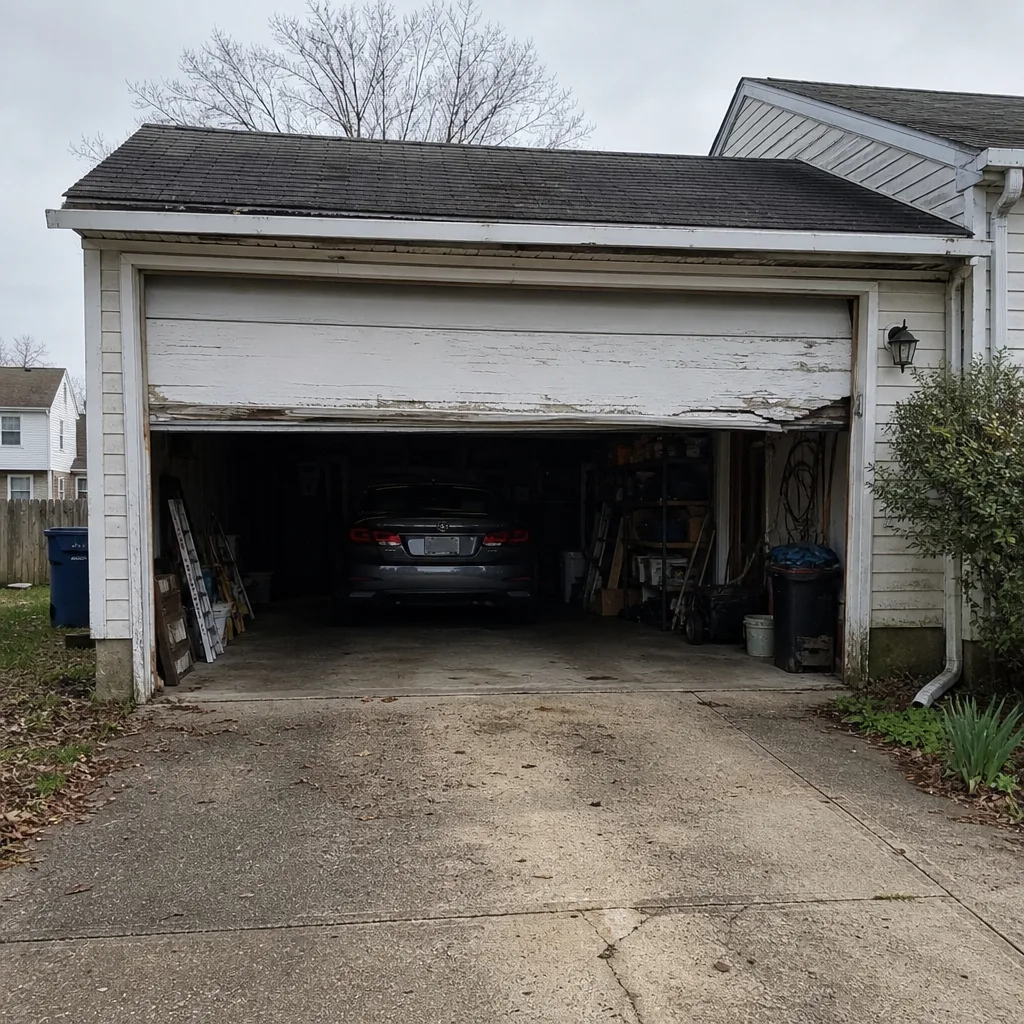 Before
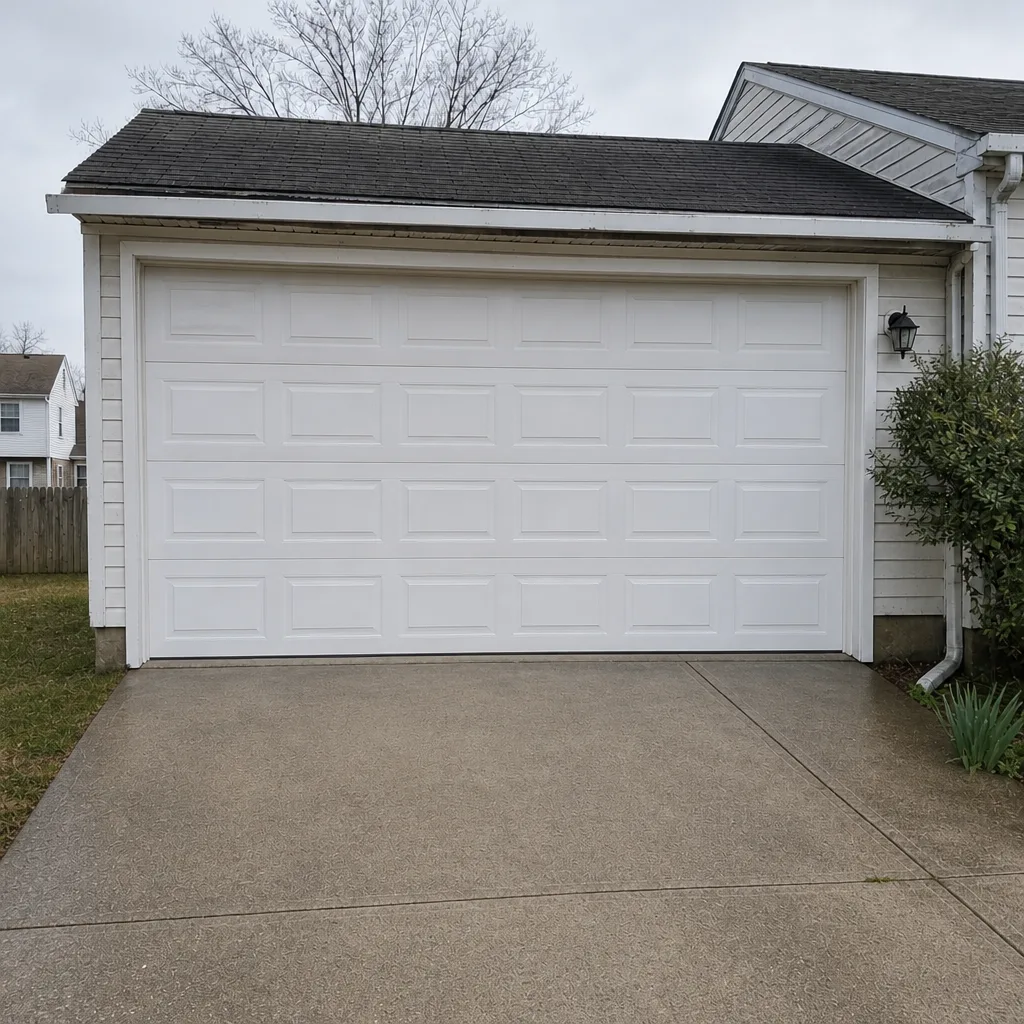 After
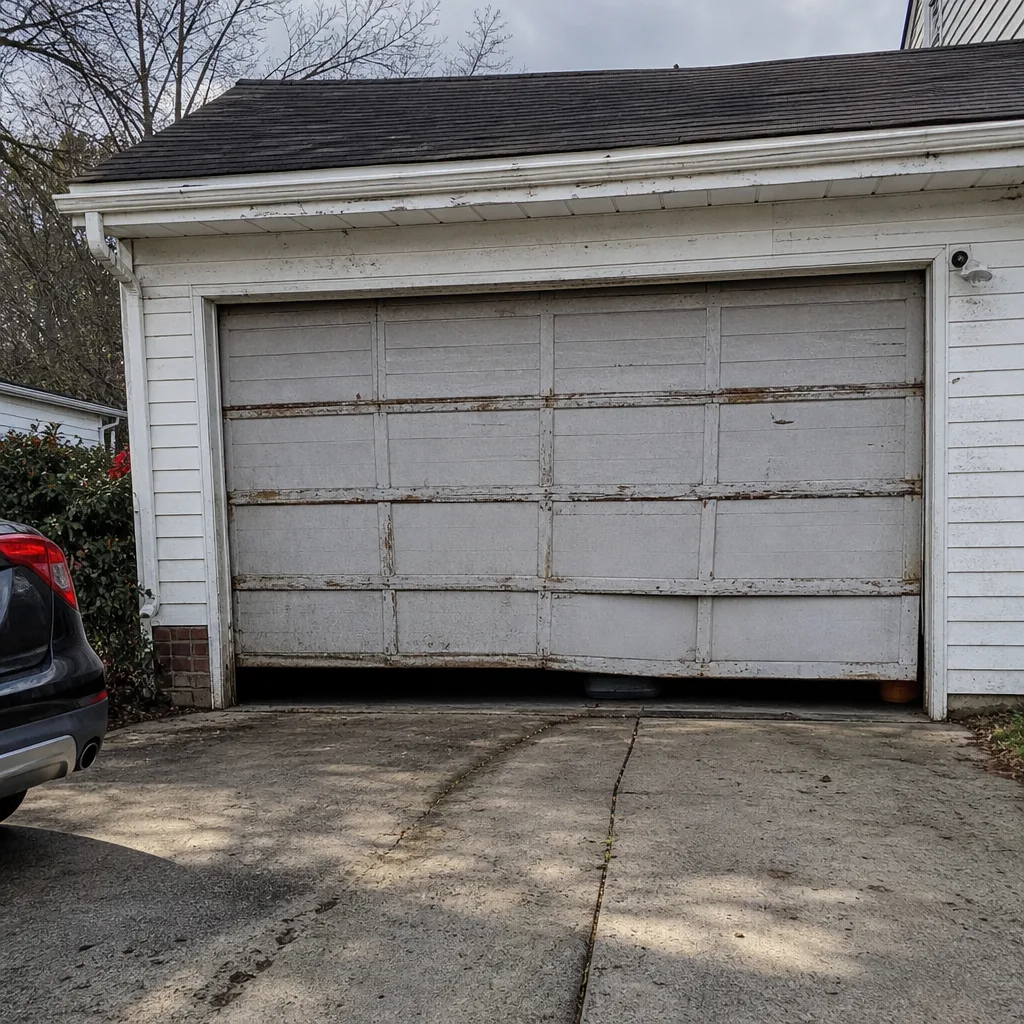 Before
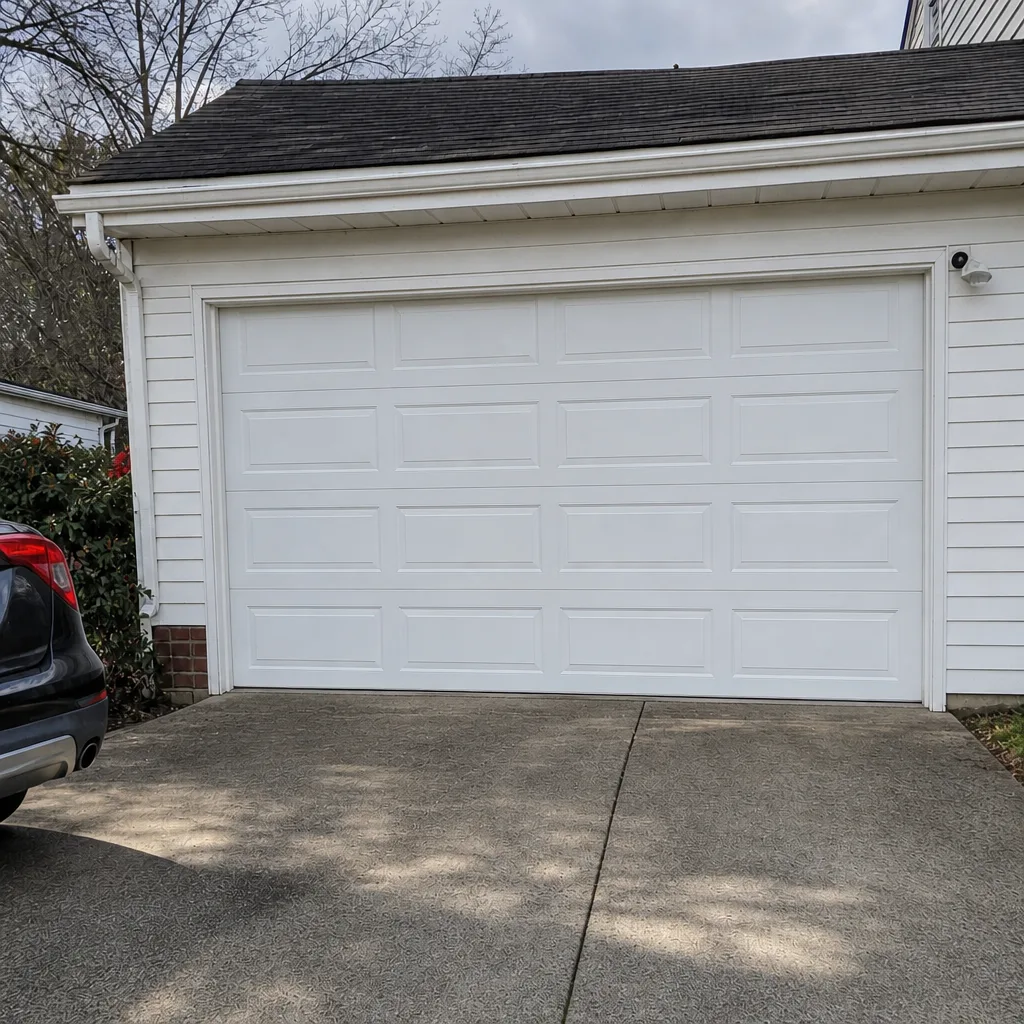 After
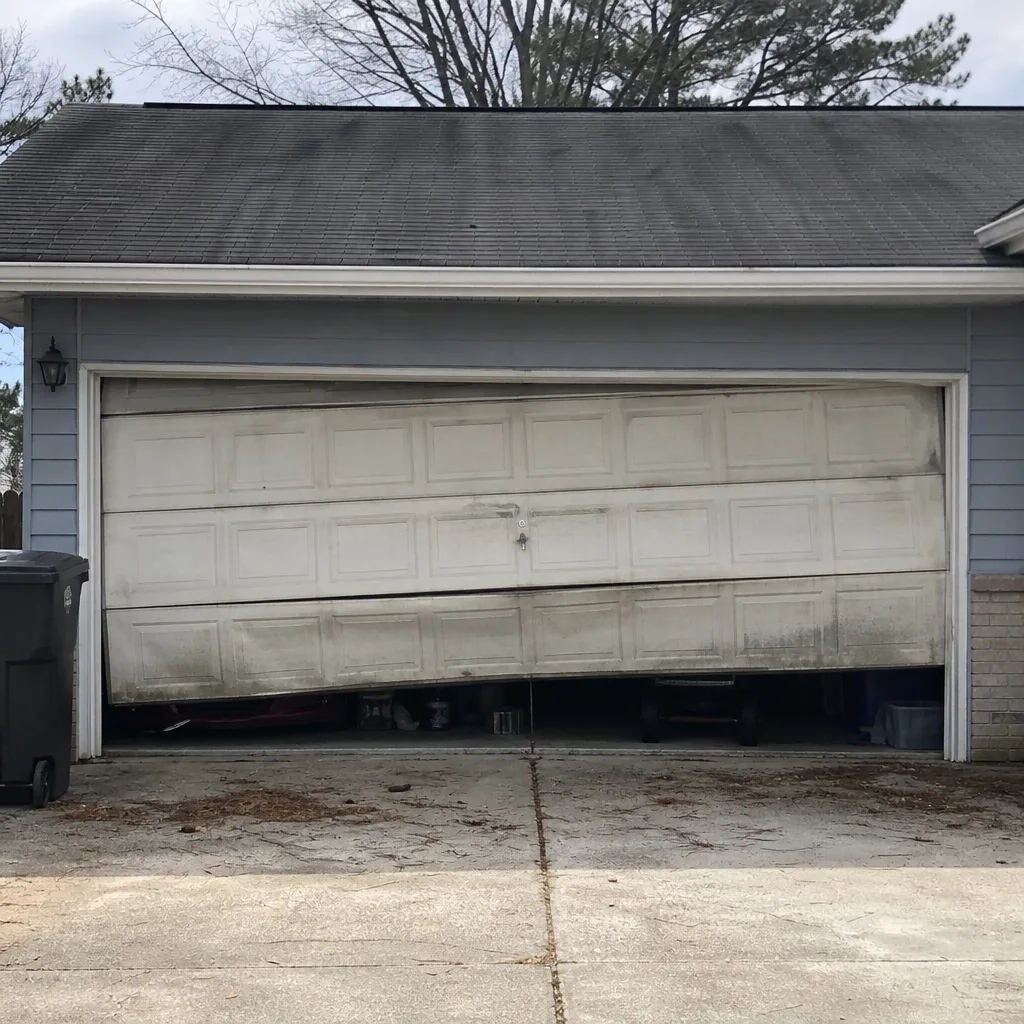 Before
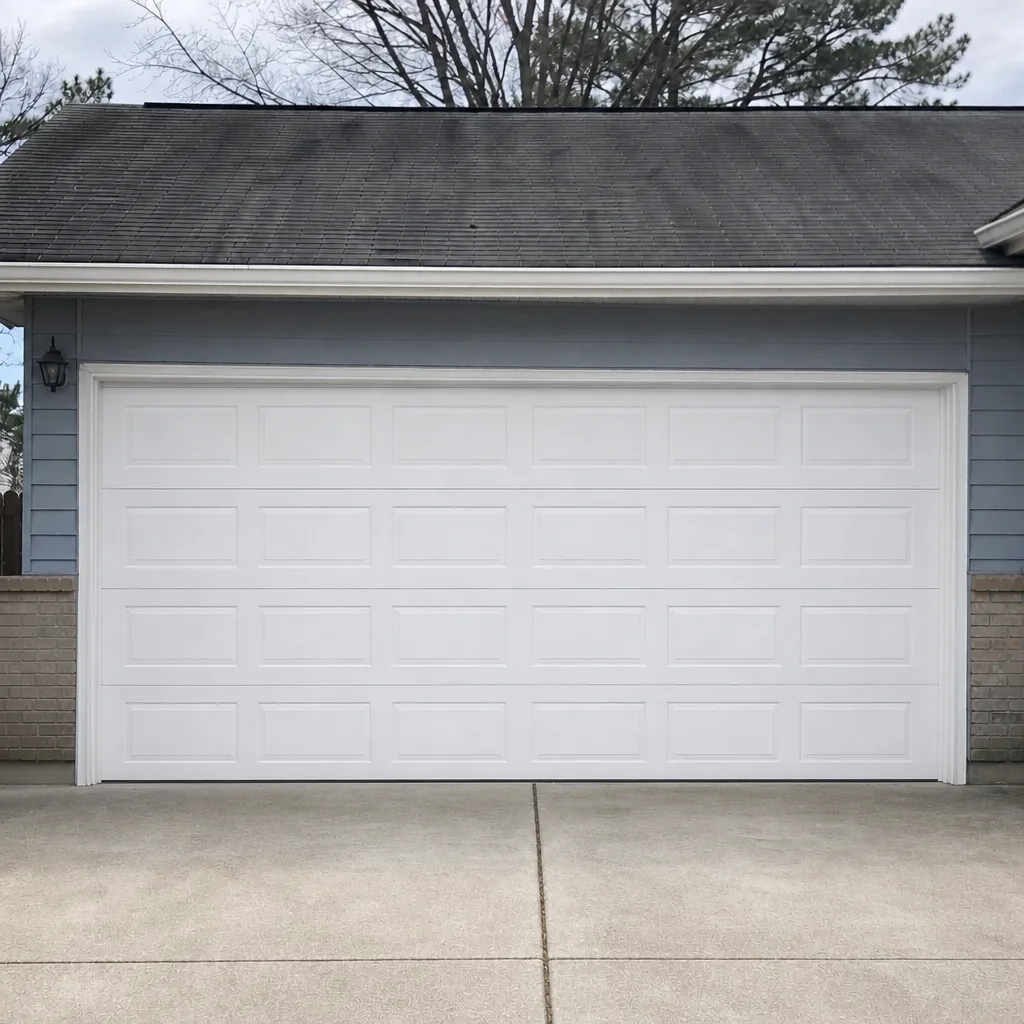 After
When to Call a Professional
Call a professional the moment a spring breaks, a cable frays, a door drops or reverses unexpectedly, or the opener strains against a stiff door. Those are the situations where doing nothing turns a small repair into a big one. Call us before you touch a spring or a cable. Call us if the safety reverse test fails and the adjustment isn’t obvious. Call us if the door is out of balance. Call us if a storm has knocked the track out of line. If your door won’t respond at all, our garage door opener repair page walks through the likely causes and what to check first. Garage Door Repair Chesapeake Pros offers free estimates in Chesapeake – call (877) 745-2212. We work on LiftMaster, Chamberlain, Genie, Clopay and other major brands, so you won’t be told to call the manufacturer or a different contractor. The price is quoted and agreed before any work starts.
Frequently Asked Questions
At minimum: springs, cables, rollers, hinges, track alignment, bottom weatherstripping, the opener’s safety reverse, the balance test and the safety sensors. In Chesapeake, add a moisture check on any wood panels after each summer and a rust check on the springs. Most of the checklist is safe to do yourself; springs, cables and opener electrical work should go to a technician.
Once a year is the floor, and twice a year is better for doors over 10 years old or ones that get heavy daily use. The full checklist makes sense in the spring and fall, with a quick lubrication check each season. Humidity is the main enemy in Chesapeake, so the lubrication step matters more here than in drier climates.
A single torsion spring replacement typically runs $180 to $340 in the Chesapeake market. A matched pair is usually replaced together, so a pair costs roughly twice that. The written estimate comes before any work starts, and the price doesn’t change after. Call (877) 745-2212 for a free estimate.
No. Torsion and extension springs hold enormous stored energy, and a slip while winding or removing one can cause serious injury or worse. Spring replacement is the single most dangerous task on a garage door. It’s a job for a trained technician with the right tools, not a weekend project.
Run the full checklist a few weeks before the peak season: test the safety reverse, tighten loose hinges, check the track bolts and confirm the bottom seal is snug. A garage door is a large opening, and a door that’s out of balance puts more stress on the opener during heavy use. If the door is old and showing wear, replacing it is worth considering before the storm season. We handle garage door installation and will schedule a free measure and written price.
Look for rust on the coils, a gap between coils on a torsion spring, or a sharper sound than usual when the door opens. A door that feels heavier than normal or won’t stay up when lifted manually is another sign. Any of those means it’s time for a professional look before the spring fails completely.
The Bottom Line
A garage door maintenance checklist isn’t a list of chores – it’s a map of the failures you’re preventing. The two items that matter most in Chesapeake are lubrication and the moisture check after summer, because both directly protect the parts that cost the most to replace. Keep a simple log, save your receipts, and know the difference between a task you can safely handle and one that needs a technician. If the list turns up something you’re not comfortable with, that’s what we’re here for. We work on every major brand, we diagnose before we recommend, and our estimates are free. When a door needs real work, the Garage Door Repair Chesapeake Pros team is ready to help.
If your inspection turns up a repair – or you’d rather have our technicians run the checklist for you – call (877) 745-2212 for a free estimate. We’ll give you a written quote before any work begins and explain what we found in plain language. Whether it’s a spring, an opener or a door that needs replaced, one call is all it takes.
Written by the team at Garage Door Repair Chesapeake Pros.